生きる
"A big story of a little man which will grip your soul..."
Director: Akira Kurosawa
Cast: Takashi Shimura, Haruo Tanaka, Nobuo Kaneko, Bokuzen Hidari, Miki Odagiri
Ikiru — Movie Quotes
Memorable Quotes
I can't afford to hate people. I don't have that kind of time.
Context
Watanabe says this in response to someone commenting on the frustrating and hateful people he must deal with in the bureaucracy while pushing his park project forward. It shows his single-minded dedication to his new purpose.
Meaning
This line encapsulates Watanabe's state of mind after his transformation. Faced with a deadline, he realizes that negative emotions like anger and resentment are a waste of his precious remaining time. His focus is entirely on his goal, making him immune to the petty frustrations of bureaucracy and interpersonal conflicts.
How tragic that man can never realize how beautiful life is until he is face to face with death.
Context
The novelist says this to Watanabe in a bar as he begins to guide him through Tokyo's nightlife. He is explaining why Watanabe's misfortune has, in a way, opened his eyes to the truth of existence.
Meaning
This quote, spoken by the cynical novelist, ironically captures the central theme of the film. It's a statement on the human condition: we often take life for granted, only appreciating its value when we are about to lose it. It perfectly describes the catalyst for Watanabe's own journey.
Life is brief, fall in love, maidens. Before the crimson bloom fades from your lips.
Context
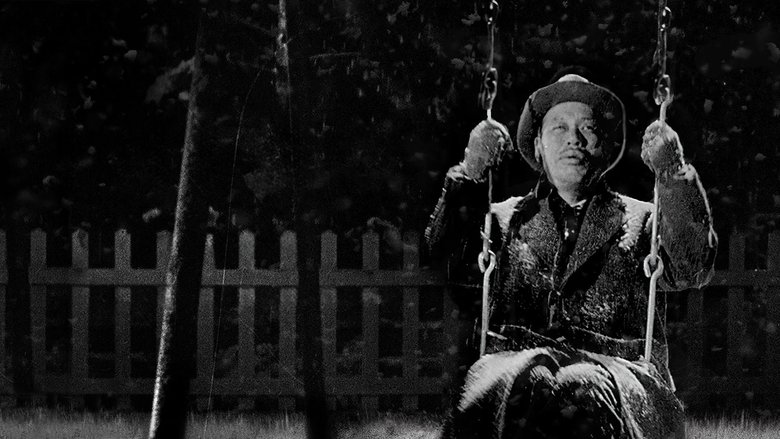
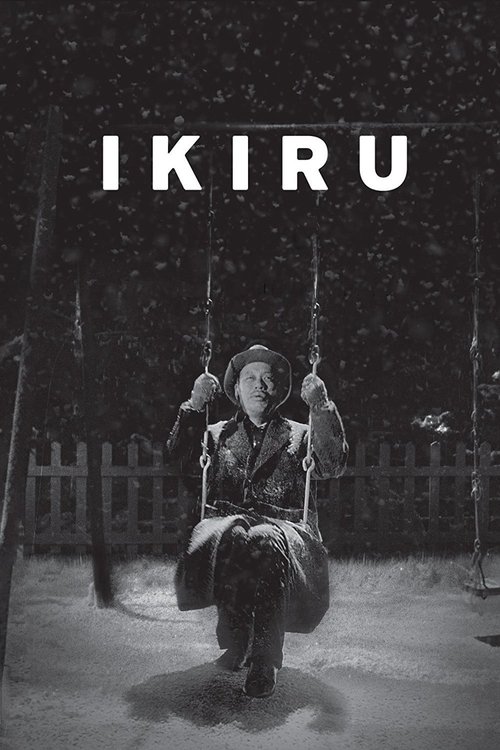
Watanabe sings this song on two key occasions. First, in a nightclub, where his sad rendition silences the room. The second and more famous instance is in the film's climax, as he sits on the swing in the park he created, just before he dies.
Meaning
These are the lyrics to the 1915 song "Gondola no Uta." The song's meaning shifts with Watanabe's character arc. When he first sings it in a nightclub, it is a mournful lament for his wasted life. When he sings it at the end, on the swing in the park, it becomes a peaceful, contented acceptance of life's fleeting beauty.
Explore More About This Movie
Dive deeper into specific aspects of the movie with our detailed analysis pages