The film concludes with a decades-long time jump to the present day. After her husband Antenor dies, the elderly Eurídice (Fernanda Montenegro) finally gains access to his safe. Inside, she finds a stack of letters addressed to her from Guida, spanning over fifty years. This reveals that Antenor had been intercepting the letters for decades, continuing the father's original lie to maintain control over his wife. Eurídice eventually tracks down Guida's descendants and learns that Guida lived her entire life in the same city, even working in places Eurídice frequented. The tragedy is absolute: the sisters never meet in life. The film ends with Eurídice meeting Guida's son and granddaughter, realizing that while their physical reunion was stolen, their legacy continues through the children who finally 'see' her.

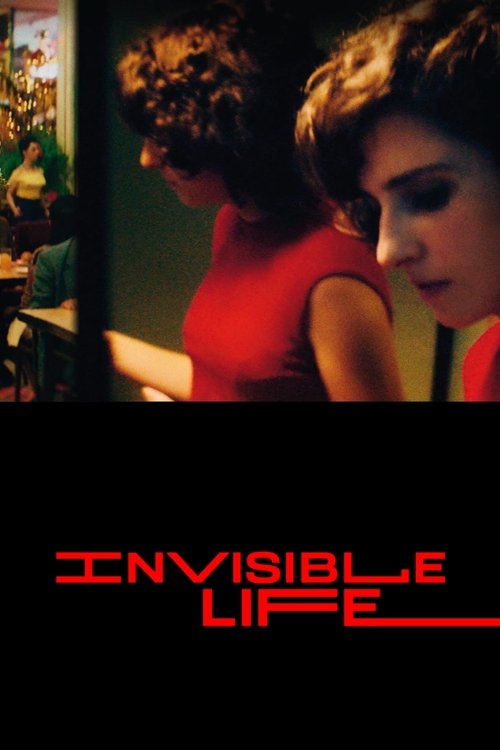
A Vida Invisível
"A tropical melodrama"
Director: Karim Aïnouz
Cast: Carol Duarte, Julia Stockler, Fernanda Montenegro, Gregório Duvivier, Bárbara Santos
Invisible Life — Ending Explained
⚠️ Spoiler Analysis
Alternative Interpretations
While primarily a story of sisterhood, some critics have offered a Queer Reading of the film. Director Karim Aïnouz, an openly gay filmmaker, often explores themes of 'chosen family' (like Guida and Filomena) and the performance of gender. In this view, Eurídice's marriage is a performance of heteronormativity that masks her true internal self, which can only be expressed through her music. Another interpretation views the film as a Political Allegory for Brazil’s own 'invisible' history, suggesting that the truth of the nation (the letters) is often hidden in the safes of the powerful (the patriarchs), and can only be recovered through the persistence of the younger generation.
Explore More About This Movie
Dive deeper into specific aspects of the movie with our detailed analysis pages