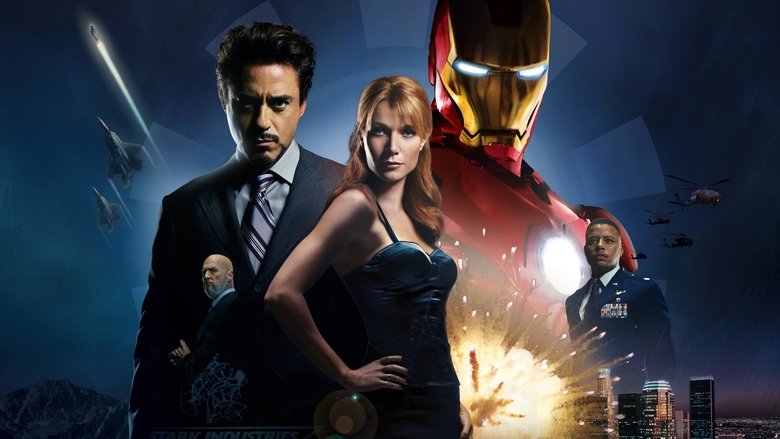
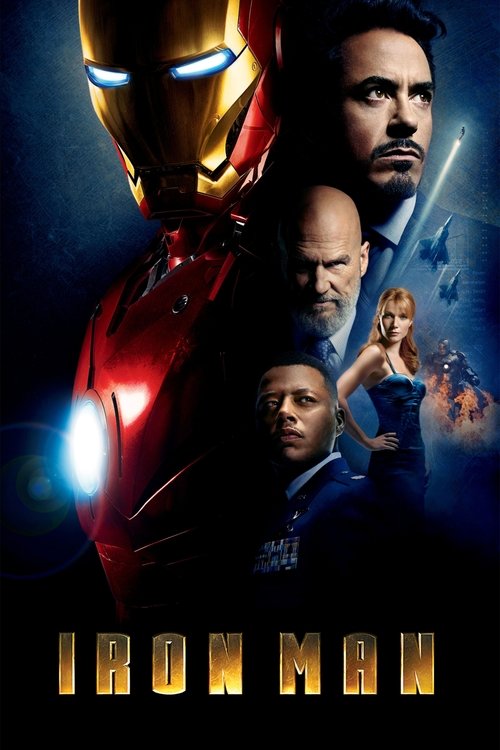
"Heroes aren't born. They're built."
Iron Man - Ending Explained
⚠️ Spoiler Analysis
The narrative structure of Iron Man relies heavily on the subversion of trust and identity. The primary plot twist involves Obadiah Stane. Initially presented as Tony's loyal mentor who is trying to protect the company from Tony's erratic post-trauma behavior, it is revealed that Stane was the one who secretly hired the Ten Rings terrorists to assassinate Tony in Afghanistan. Stane's betrayal recontextualizes the entire first act, transforming the conflict from a global war on terror to an intimate, corporate patricide.
Furthermore, the film saves its most significant twist for the very last frame. In traditional comic book adaptations, the hero adopts a secret identity to protect themselves and their loved ones. At the final press conference, S.H.I.E.L.D. provides Tony with a perfectly viable, structured alibi. However, in a moment of pure ego fused with his new moral responsibility, Tony discards the cards and states, 'I am Iron Man.' This ending irreversibly changed the trajectory of the MCU, eschewing secret identities for public accountability and character-driven drama.
Alternative Interpretations
While widely viewed as a straightforward redemption narrative where a selfish capitalist becomes a selfless hero, Iron Man has been subjected to several contrasting interpretations. One major alternative reading is the Orientalist and Hegemonic Critique. Some cultural scholars argue that rather than critiquing American imperialism, the film actually reinforces it. In this view, Tony Stark does not abandon his violent, imperialistic tendencies; he merely refines them, acting as an unchecked American vigilante operating unilaterally in the Middle East, while portraying the Afghan locals either as helpless victims or monodimensional terrorist caricatures.
Another interpretation views the film through the lens of Egoism versus Utilitarianism. Philosophically, it can be debated whether Tony's transformation is genuinely altruistic or merely an extension of his narcissism. Critics argue that Stark's decision to privatize global security and boldly declare 'I am Iron Man' reveals that his core motivation isn't strictly utilitarian (doing the most good for the most people), but rather an ego-driven desire to be the sole arbiter of justice, effectively substituting corporate accountability with unchecked personal authority.