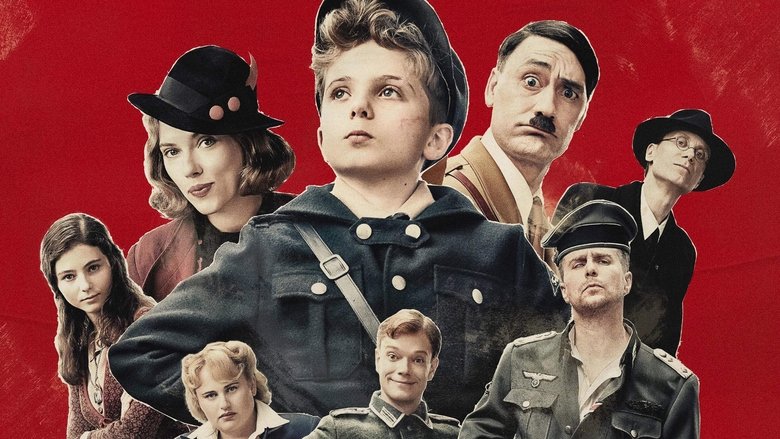
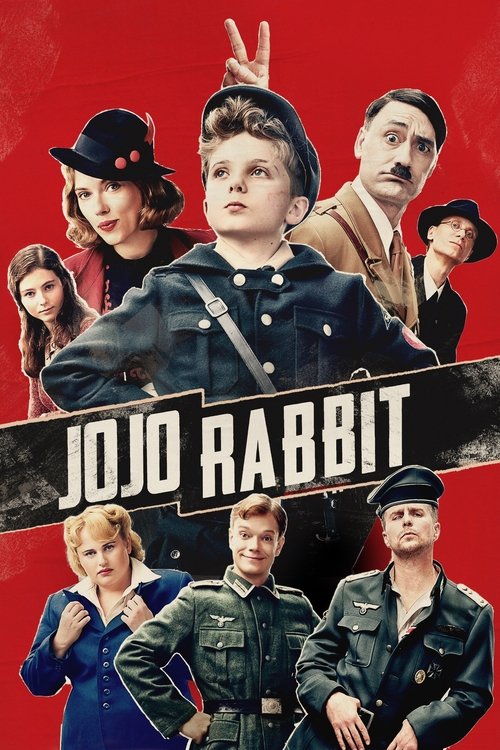
"An anti-hate satire."
Director: Taika Waititi
Cast: Roman Griffin Davis, Thomasin McKenzie, Scarlett Johansson, Taika Waititi, Sam Rockwell
Jojo Rabbit — Movie Quotes
Memorable Quotes
You're not a Nazi, Jojo. You're a 10-year-old kid who likes dressing up in a funny uniform and wants to be part of a club.
Context
Rosie says this to Jojo during a tender moment at home. Jojo has been acting out, accusing her of not loving her country because she doesn't share his zealous patriotism. She responds with this line, gently trying to separate her son from the dangerous ideology he has adopted.
Meaning
This quote cuts through Jojo's ideological fantasy to the core of his childhood innocence. Rosie understands that his fanaticism is not born of true malice but of a boy's simple need for belonging and identity, exposing the way fascism preys on such universal human desires.
Let everything happen to you: beauty and terror. Just keep going. No feeling is final.
Context
The line is from a poem by Rainer Maria Rilke. It appears as on-screen text just before the credits roll, following the final scene where Jojo and Elsa dance in the freed city. It serves as a concluding thought on their journey and the path that lies ahead.
Meaning
This quote, which appears on screen at the end, encapsulates the film's central message about resilience and the human experience. It acknowledges that life is a mixture of profound joy and unbearable pain, and argues for the courage to embrace it all, with the hopeful reminder that even the worst feelings are temporary.
Love is the strongest thing in the world.
Context
Rosie says this to Jojo by the river, trying to explain her worldview and why she continues to have hope and find joy in dark times. It is a key lesson she imparts to him, which resonates throughout his journey and is proven true by the film's end.
Meaning
This is Rosie's core philosophy and a central theme of the film. It's a simple yet profound statement that directly counters the Nazi ideology of power through hate and fear. It serves as the moral foundation that ultimately guides Jojo's transformation.
What's the first thing you'll do when you're free?
Context
Jojo asks Elsa this while they are talking in the attic. He is interviewing her for his 'research' book, but his questions have become more personal. Her simple, joyful answer helps to further humanize her in his eyes and build the foundation for their bond.
Meaning
This question marks a significant turning point in Jojo and Elsa's relationship. It's the moment he begins to see her not as a 'Jew' but as a person with hopes and dreams for the future, a future beyond the war. Her answer, 'Dance,' sets up the film's symbolic conclusion.
Explore More About This Movie
Dive deeper into specific aspects of the movie with our detailed analysis pages