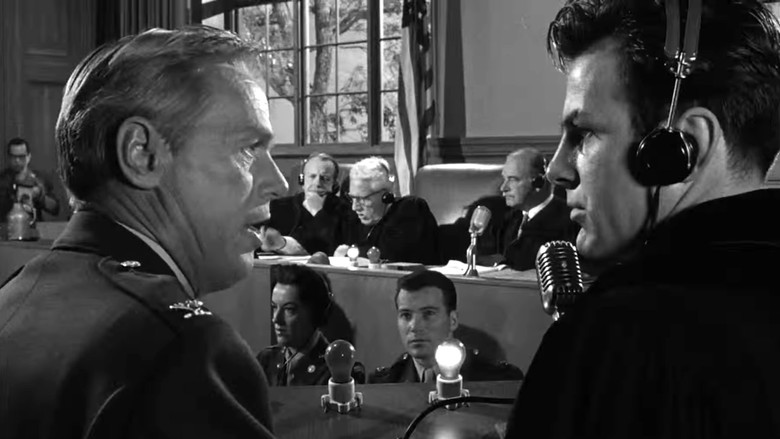
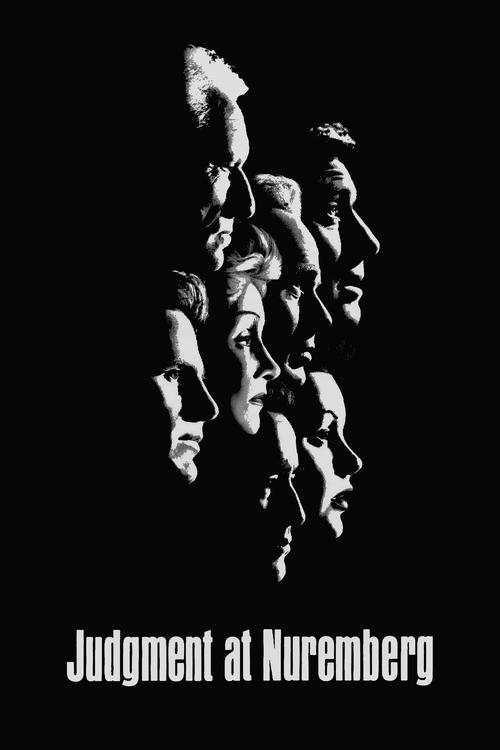
The entire film builds toward two crucial climactic events: the testimony of defendant Ernst Janning and the final verdict delivered by Judge Dan Haywood. For most of the trial, Janning remains silent, an enigmatic and respected figure whose motivations are unclear. The turning point occurs during the testimony of Irene Hoffman (Judy Garland), who is being brutally cross-examined by defense attorney Hans Rolfe about her alleged relationship with a Jewish man whom Janning sentenced to death. Disgusted by Rolfe's tactics, which mirror the legal perversions of the Nazi era, Janning dramatically interrupts the proceedings and demands to take the stand.
In a powerful monologue, Janning confesses his guilt and the guilt of other educated Germans. He admits they were aware of the regime's evil but went along with it out of a misguided patriotism and fear, hoping their participation could mitigate the worst of it. He states that the German people knew about the atrocities, if not the specific details, but chose not to know more. This testimony effectively seals the fate of the defendants. Despite intense political pressure on Judge Haywood to be lenient for the sake of Cold War alliances, he delivers a guilty verdict for all four defendants, sentencing them to life in prison. In his verdict, he declares that the principle of justice and the value of a single human being must be upheld. The film's final scene occurs in prison, where Janning tells Haywood he never knew the Holocaust would happen. Haywood delivers the film's devastating final line: "Herr Janning, it came to that the first time you sentenced a man to death you knew to be innocent," cementing the theme that genocide is the culmination of individual moral compromises. An epilogue then informs the audience that of the 99 defendants sentenced in the American Zone trials, none were still serving their sentences when the film was released, a sobering indictment of how political reality ultimately undid the justice served in the courtroom.