Skip to content
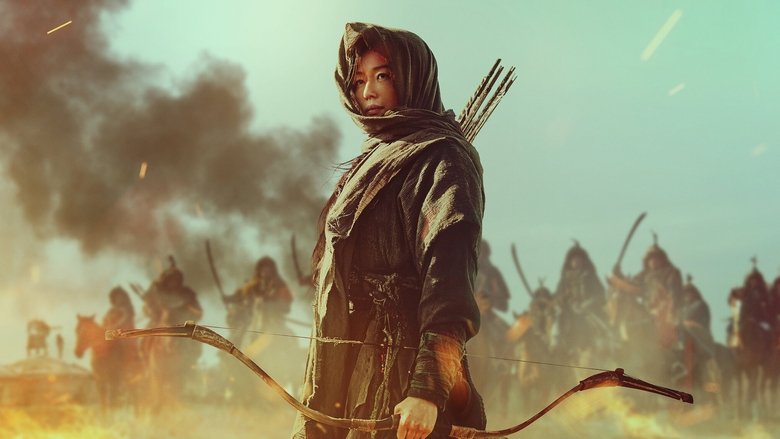
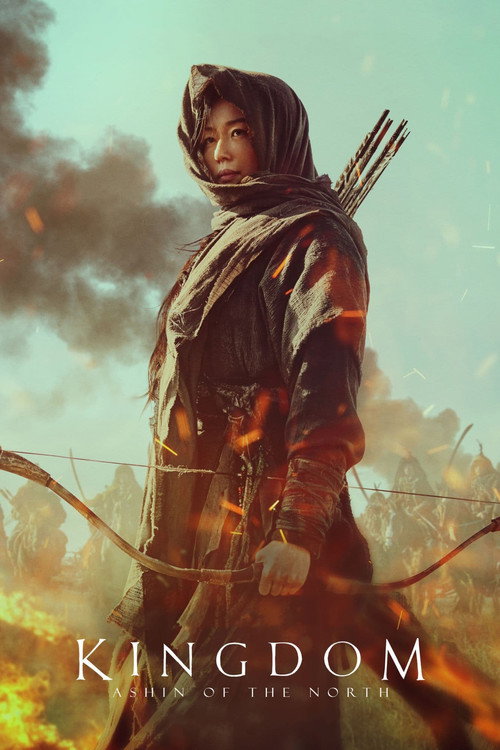
Kingdom: Ashin of the North
Amid the frozen desolation of a neglected frontier, an agonizing saga of disenfranchisement and grief unfurls like a venomous purple flower blooming in blood, casting a merciless shadow over an entire civilization.
Kingdom: Ashin of the North

킹덤: 아신전

"And so it begins."

23 July 2021 South Korea 92 min 7.1 (643)

Director: Kim Seong-hun

Cast: Gianna Jun, Park Byung-eun, Kim Si-a, Kim Roi-ha, Koo Kyo-hwan

Drama Fantasy Thriller The Devastation of Betrayal & Retributive Justice Systemic Oppression & Disenfranchisement Grief, Trauma, and Unresolved Han (한) The Ethical Perversion of Nature and Power

Kingdom: Ashin of the North — Ending Explained

⚠️ Spoiler Analysis

The story begins with young Ashin finding the resurrection plant in Pyesa-gun to cure her mother, while Joseon nobles slaughter fifteen Pajeowi Jurchens trespassing for ginseng. To prevent war, Commander Min Chi-rok frames a tiger for the deaths and uses Ashin's father, Tahab, to spread the rumor. The Pajeowi discover the ruse and wipe out Ashin's village. Ashin takes shelter at the Joseon fort, enduring years of abuse while practicing archery.

Years later, adult Ashin infiltrates the Pajeowi camp and finds her father alive, limbless, and tortured; she mercifully euthanizes him. Returning to the Joseon fort, she uncovers records proving Min Chi-rok orchestrated the massacre of her clan. Ashin revives a dead soldier with the plant, unleashes the zombie inside the barracks, and picks off fleeing soldiers from the roof with arrows. After burning the fort, she feeds the dead to her chained, infected family and heads south to deliver the plant to Physician Lee Seung-hui, intentionally triggering the downfall of Joseon.

Alternative Interpretations

Critical reception offers divergent interpretations of Ashin's journey:

  • Justified Antihero vs. Absolute Villain: While some interpret Ashin as a sympathetic survivor executing retribution against an oppressive state, others view the ending as her descent into an irredeemable monster who inflicts slaughter on innocent conscripts and civilians.
  • Sociopolitical Allegory: The outbreak serves as a metaphor for the self-destructive fallout of imperial marginalization and bureaucratic utilitarianism.
  • Generational Han: Keeping her zombified family in a shed can be read as a manifestation of unresolved generational trauma—preserving agony in confinement rather than allowing closure.

Explore More About This Movie

Dive deeper into specific aspects of the movie with our detailed analysis pages

Similar Movies