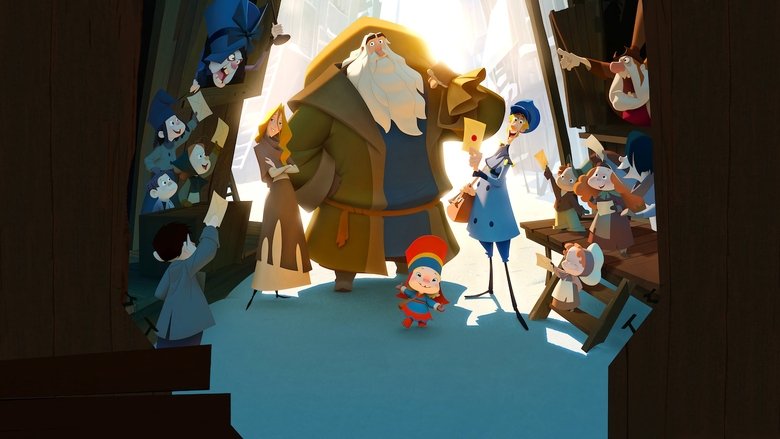
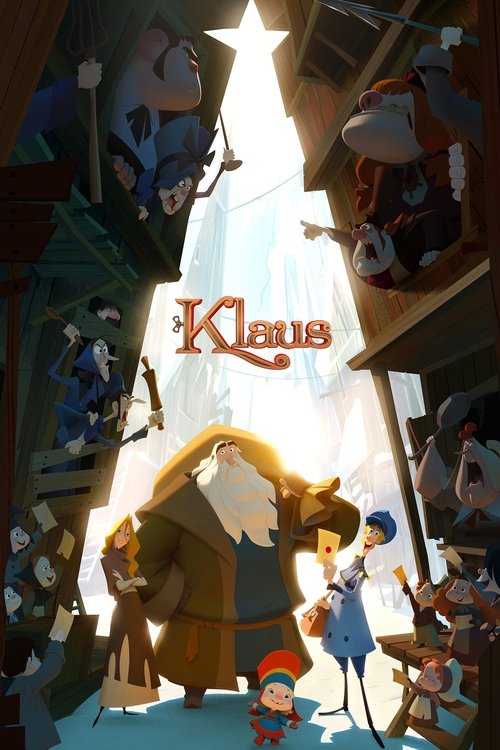
The central twist in "Klaus" is the revelation of Jesper's selfish motivations. For much of the film, his partnership with Klaus is seen by the townspeople and the audience as an act of burgeoning friendship and altruism. However, the leaders of the feuding clans, Mrs. Krum and Mr. Ellingboe, uncover Jesper's initial deal with his father: to post 6,000 letters to escape his exile. They exploit this by sending thousands of letters themselves on Christmas Eve, just as Jesper's father arrives to take him home. This timing creates a devastating reveal where Jesper's friends, Alva and Klaus, believe he has used them all along. This moment of betrayal is crucial, as it forces Jesper to make a definitive choice between his old selfish life and his new one in Smeerensburg. His father, seeing his son's genuine remorse and change of heart, allows him to stay.
The film's ending provides a magical and poignant resolution. After years of delivering toys together, Klaus is seen following a magical gust of wind—the same one that symbolized his late wife, Lydia—and peacefully vanishes into the light, presumably joining her in the afterlife. Jesper continues to live in Smeerensburg, marrying Alva and having children of his own. The final narration explains that every Christmas Eve, Jesper waits by the fire, and he gets to see his old friend again, as the spirit of Klaus returns to continue their tradition of delivering toys to the world. This ending solidifies Klaus's transformation into the magical, immortal figure of Santa Claus, suggesting his spirit lives on through the act of giving. The legend they accidentally created has now become a timeless reality.