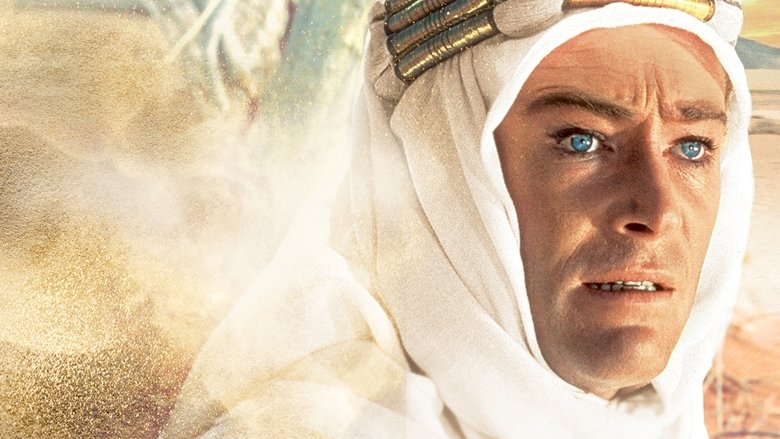
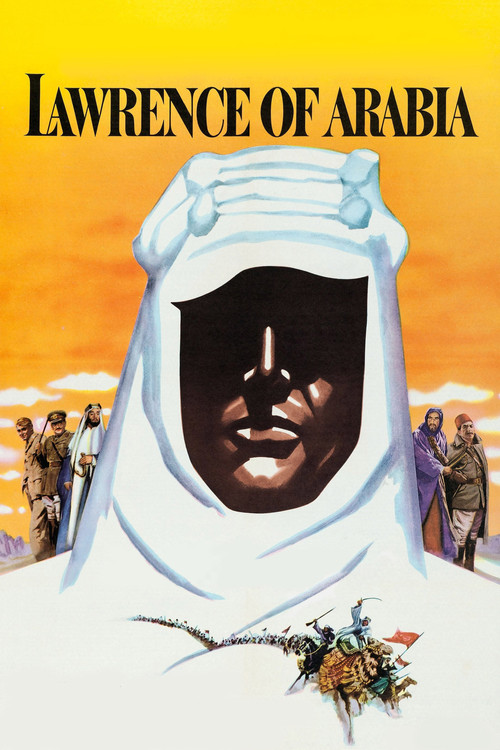
"Nothing is written."
Director: David Lean
Cast: Peter O'Toole, Alec Guinness, Omar Sharif, Anthony Quinn, Jack Hawkins
Lawrence of Arabia — Movie Quotes
Memorable Quotes
The trick, William Potter, is not minding that it hurts.
Context
Early in the film, at the British headquarters in Cairo, Lawrence demonstrates how he can extinguish a lit match with his fingers. When a corporal named William Potter tries to imitate him and gets burned, Lawrence delivers this iconic line, showcasing his unusual philosophy on pain and endurance.
Meaning
This quote reveals Lawrence's extraordinary willpower and masochistic tendencies. It establishes his character as someone who not only endures hardship but seems to derive a sense of superiority from it. It's a key insight into the psychology that allows him to survive, and thrive, in the punishing environment of the desert.
Big things have small beginnings, sir.
Context
In Cairo, General Murray dismisses the Arab Revolt as a "sideshow of a sideshow." Mr. Dryden, the cunning Arab Bureau diplomat, responds with this line, subtly indicating that he sees a much greater potential in the situation and in sending Lawrence to assess it.
Meaning
This line serves as the film's thesis statement, foreshadowing how Lawrence's seemingly minor assignment in Arabia will escalate into a major theater of the war with vast historical consequences. It speaks to the unpredictable nature of history and how a single individual can become a catalyst for monumental events.
Nothing is written.
Context
Lawrence's Bedouin guide, Tafas, refuses to travel further to a well, saying "it is written" that he will not go. Sherif Ali appears and kills Tafas for drinking from his well without permission. When Lawrence calls him a barbarian, Ali says that because Tafas was his guide, his life was Lawrence's responsibility, and that for some men, "nothing is written unless they write it."
Meaning
This phrase encapsulates the central philosophical conflict of the film: fate versus free will. Initially, it is Ali's response to Lawrence's guide who says their journey is "written." Lawrence later adopts it as his personal mantra, believing that he is the master of his own destiny and can achieve the impossible through sheer force of will. The tragic irony is that by the end, Lawrence's fate is indeed written by forces far beyond his control.
What is it, Major Lawrence, that attracts you personally to the desert?
Context
After his triumphant capture of Aqaba, Lawrence returns to the British headquarters in Cairo. He stands in stark contrast to the formal officers in his dusty Arab robes. General Allenby, intrigued and slightly bemused by him, asks this direct question to understand his unusual subordinate.
Meaning
Lawrence's one-word reply, "It's clean," is profoundly revealing. It suggests his disillusionment with the moral corruption and hypocrisy of Western civilization. For him, the desert represents a pure, elemental world, free from the clutter and compromise of society. It's a place where a person's worth is stripped down to their essence, which appeals to his ascetic and idealistic nature.
Young men make wars, and the virtues of war are the virtues of young men: courage and hope for the future. Then old men make the peace, and the vices of peace are the vices of old men: mistrust and caution.
Context
In his desert tent, Prince Faisal explains the political realities of his situation to an idealistic Lawrence. He is trying to temper Lawrence's youthful zeal with the hard-earned wisdom that war is only the first part of a much more complex political struggle.
Meaning
This is a cynical but wise summation of the cycle of conflict and politics. Faisal explains the fundamental disconnect between the idealistic soldiers who fight the battles and the cautious, pragmatic politicians who decide the outcome. It foreshadows the eventual betrayal of the Arab cause at the hands of the old men of the British and French empires.
Explore More About This Movie
Dive deeper into specific aspects of the movie with our detailed analysis pages