The film builds toward Jef's final contract: he is hired to kill Valérie, the witness who saved him. He returns to the nightclub, puts on his white gloves, and openly points his gun at her in front of everyone. She asks, 'Why, Jef?' and he replies, 'I was paid to.' The police, lying in wait, shoot him dead. The twist is revealed when the Superintendent checks Jef's gun and finds it empty. Jef never intended to kill her; he staged his own death ('suicide by cop') to uphold his code of honor (never kill a benefactor/witness who stayed silent) while fulfilling the contract's literal motion. He chose to die rather than be captured or compromise his integrity.
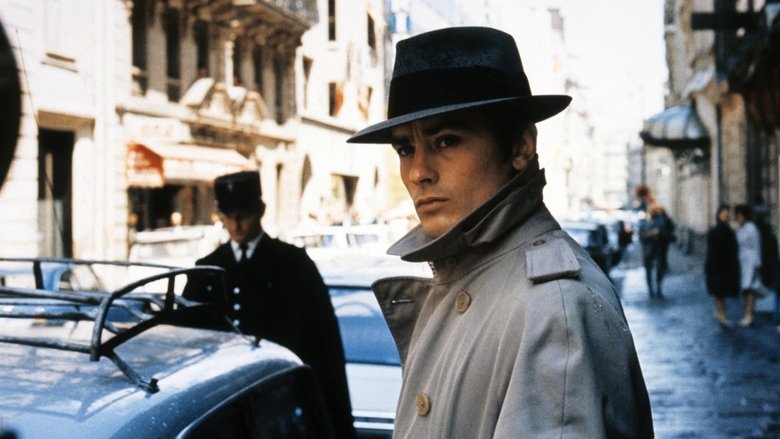
A hypnotic neo-noir masterwork where silence speaks louder than words. Through the icy blue gaze of a solitary hitman, Melville paints a tragic portrait of ritual, fatalism, and the beauty of inevitable death.
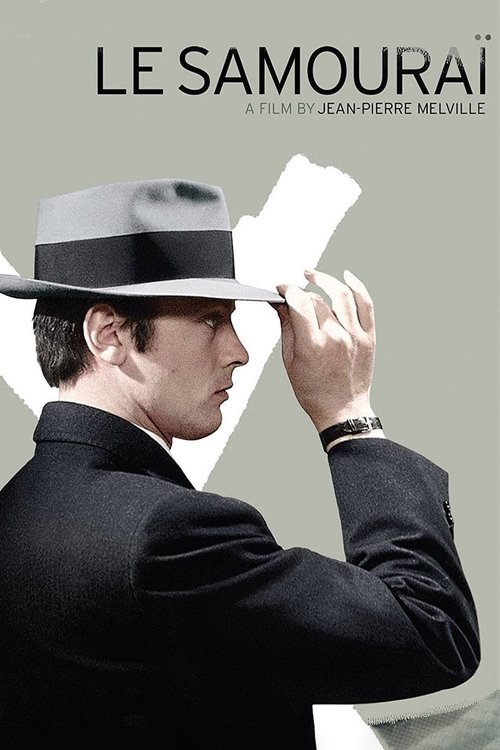
Le Samouraï
"His only friend was his gun!"
25 October 1967
France
105 min
7.8
(1,202)
Director: Jean-Pierre Melville
Cast: Alain Delon, François Périer, Nathalie Delon, Cathy Rosier, Michel Boisrond
Drama
Crime
Thriller
Solitude and Isolation
Ritual and Process
Fatalism and Destiny
Silence and Minimalism
Box Office:
$215,245
Le Samouraï — Ending Explained
⚠️ Spoiler Analysis
Alternative Interpretations
The Romantic Suicide: Some critics interpret Jef's death not just as adherence to a code, but as an act of love or protection for Valérie, the only person who showed him mercy.
Schizophrenic Projection: A psychological reading suggests the entire film is a projection of a mentally disturbed loner (the 'tiger in the jungle'), with the police and gangsters representing his internal demons closing in.
The Ghost Theory: Given the opening shot where Jef looks like a corpse and the gray, purgatorial atmosphere, some interpret Jef as a ghost or spirit who is already dead, simply acting out a final ritual before fading away.
Explore More About This Movie
Dive deeper into specific aspects of the movie with our detailed analysis pages