The film builds to the decision to swap the children. Ryota and Midori give Keita to the Saikis and take Ryusei. The swap is disastrous. Ryusei runs away to return to his 'real' parents (the Saikis), and Keita feels abandoned. Ryota tries to bond with Ryusei but fails. The turning point is Ryota discovering the photos Keita took of him sleeping—evidence of the boy's silent love. Overwhelmed with guilt, Ryota drives to the Saiki home. Keita runs away from him. Ryota follows him along a riverbank (the two paths). He apologizes, admitting his failure and his love. They embrace. The film ends with both families entering the Saiki home together, implying a future where the rigid lines of 'family' are blurred, and the boys will likely maintain connections with both sides, though Ryota has emotionally chosen Keita.
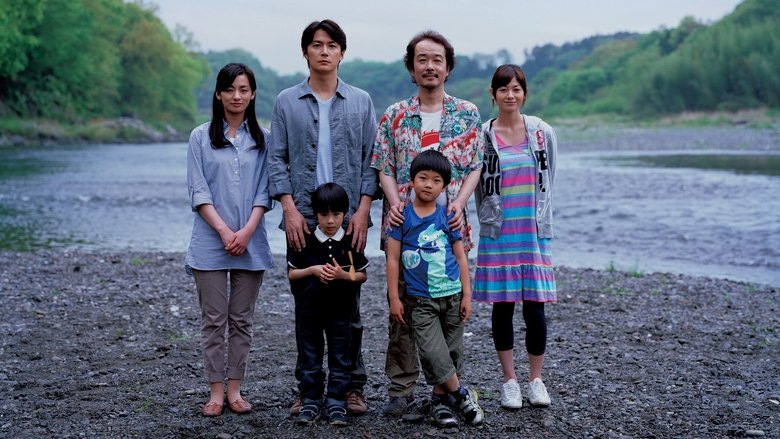
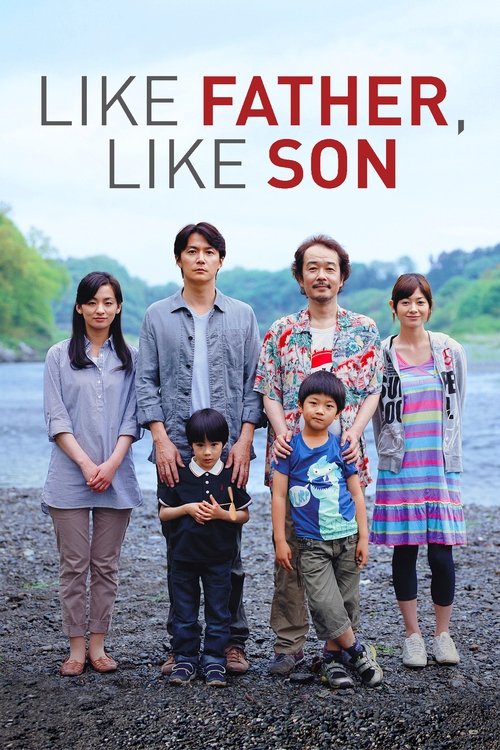
そして父になる
"At what point does a father truly become a father?"
Director: Hirokazu Kore-eda
Cast: Masaharu Fukuyama, Machiko Ono, Yoko Maki, Lily Franky, Jun Fubuki
Like Father, Like Son — Ending Explained
⚠️ Spoiler Analysis
Alternative Interpretations
While the ending implies a reconciliation with Keita (the non-biological son), the film leaves the practical future ambiguous. Interpretation A: The families do not swap back permanently but create a blended extended family where both boys interact with all parents. Interpretation B: Ryota accepts Keita as his true son, rejecting the 'blood' imperative entirely, effectively 'adopting' the child he raised. Interpretation C: The film is a tragedy of the biological son, Ryusei, who is rejected by his blood father (Ryota) for not being malleable enough, and returned to the Saikis, while Ryota chooses the son (Keita) who adores him unconditionally.
Explore More About This Movie
Dive deeper into specific aspects of the movie with our detailed analysis pages