Limelight
A melancholic drama's gentle fade-out, where the greasepaint of fading stardom meets the hopeful dawn of ascendant youth, painting a bittersweet portrait of artistic mortality.
Limelight
Limelight

"The masterpiece of laughter and tears from the master of comedy!"

16 October 1952 United States of America 137 min ⭐ 7.9 (564)
Director: Charlie Chaplin
Cast: Charlie Chaplin, Claire Bloom, Nigel Bruce, Buster Keaton, Sydney Chaplin
Drama Romance Music
The Fading of Fame and Aging Youth and Rebirth The Nature of Art and Performance Sacrifice and Platonic Love
Budget: $900,000
Box Office: $1,000,000

Limelight - Ending Explained

⚠️ Spoiler Analysis

The entire narrative of Limelight builds towards a poignant and symbolic conclusion. After Calvero nurtures Terry back to health and stardom, she professes her love and desire to marry him. Realizing their age difference and believing her future is with the young composer Neville, Calvero selflessly leaves her to become a street entertainer, allowing her relationship with Neville to blossom.

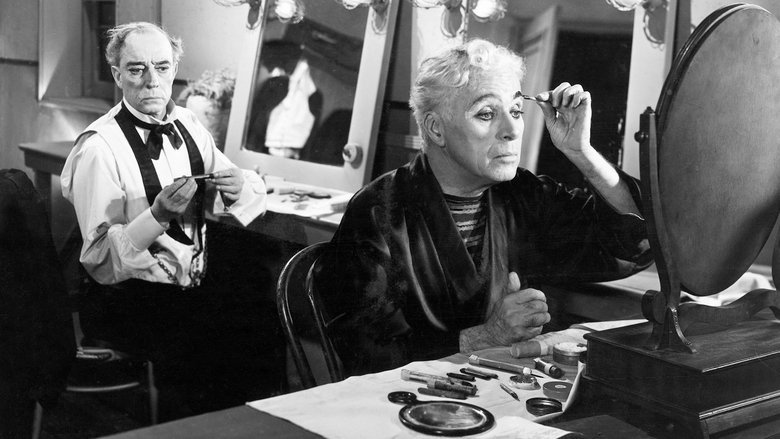
Eventually, Terry, now a famous ballerina, finds the destitute Calvero and insists he return to the stage for a benefit concert she has arranged. This leads to the film's climax: a triumphant comeback performance where Calvero, reunited with his old partner (Buster Keaton), has the audience roaring with laughter once more. It is a moment of pure, reclaimed glory. However, in the exhilaration of his final bow, he suffers a massive heart attack and collapses into the orchestra pit.

The hidden meaning becomes clear in the final moments. As he lies dying on a cot in the wings of the stage, Calvero's only wish is to watch Terry dance. He sees her take the stage, bathed in the limelight he once commanded. As he watches her beautiful performance, he quietly passes away. This ending is the ultimate transference of legacy. Calvero does not die in failure but in triumph, having found peace and purpose. His death is not a tragedy but the natural conclusion of an artistic life cycle: the old star fades away as the new one shines brightly, a legacy passed from one generation to the next. The limelight has been passed, and his life's work is complete.

Alternative Interpretations

The most significant area for alternative interpretations lies in the film's autobiographical nature. While overtly a story about Calvero, many see it as Chaplin's direct commentary on his own life and career. One interpretation is that the film is a deeply melancholic self-eulogy, with Chaplin, as Calvero, mourning his own declining popularity and facing his artistic mortality. The loss of his audience was not just a plot point but a painful reality for Chaplin at the time, making the film a raw and vulnerable confession.

Another reading focuses on the relationship between Calvero and Terry. Some view it as a reflection of Chaplin's own relationships, particularly his marriage to the much younger Oona O'Neill, which was a source of scandal. In this light, the film can be seen as Chaplin's defense of May-December relationships, portraying their love as pure, platonic, and based on mutual salvation rather than romance. Calvero's ultimate sacrifice in pushing Terry towards a younger man can be interpreted as Chaplin's artistic justification and romantic idealization of his own life choices.

Finally, the ending can be interpreted not just as the death of a man, but as the symbolic death of an era. Calvero's passing while watching the new star, Terry, dance represents the end of the vaudeville and silent film era, giving way to a new form of entertainment and a new generation of stars. It is Chaplin's solemn but accepting acknowledgment that his time, and the world he knew, has passed.