"Woody Allen's New Comedy Hit"
Manhattan - Ending Explained
⚠️ Spoiler Analysis
The film explores the circular nature of the characters' mistakes. Isaac leaves the devoted Tracy for Mary, believing Mary is his intellectual match. However, Mary is still in love with Yale. When Yale decides to leave his wife to be with Mary, Mary dumps Isaac to return to Yale. Isaac, devastated and realizing that his intellectual snobbery led him astray, rushes to Tracy's apartment to win her back.
The Ending: Isaac arrives just as Tracy is leaving for London to study acting. He begs her to stay, claiming he made a mistake and that their love is rare. Tracy, displaying maturity beyond her years, tells him she must go for her own growth but reassures him that 'six months isn't so long' and that he should 'have a little faith in people.' The film ends with a close-up of Isaac smiling wryly, realizing he has perhaps lost her, but also recognizing the truth in her words. The hidden meaning is that Tracy has outgrown Isaac; she is the one moving forward, while he remains stuck in Manhattan.
Alternative Interpretations
Isaac as the Villain: While Isaac presents himself as the moral center of the film, an alternative reading suggests he is the true villain. He is emotionally abusive to Tracy, hypocritical in his judgments of Yale, and uses people to validate his own ego. In this view, the film is a dark satire of a narcissist who destroys the only good thing in his life (Tracy) due to his own insecurities.
The 'Peter Pan' Syndrome: The film can be interpreted as a study of male arrested development. Isaac, Yale, and the other men are terrified of death and aging, so they chase youth (Tracy) or constantly switch partners to feel 'alive,' while the women (even the young Tracy) display far more emotional maturity and grounding.
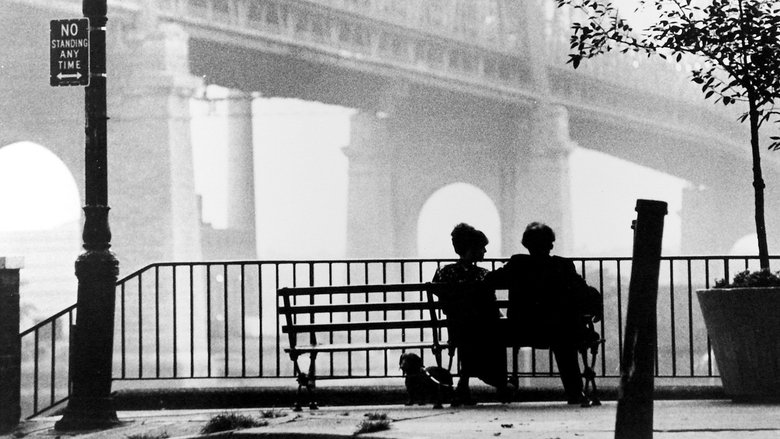
Art vs. Life: Some critics view the film as Allen's admission that art is a poor substitute for life. Isaac tries to rewrite his life like a novel (the opening monologue), but reality refuses to conform to his edits. The perfect cinematic shots of the city contrast with the messy, unhappy lives of the characters, suggesting that the 'Manhattan' of the title is a fantasy that doesn't exist.