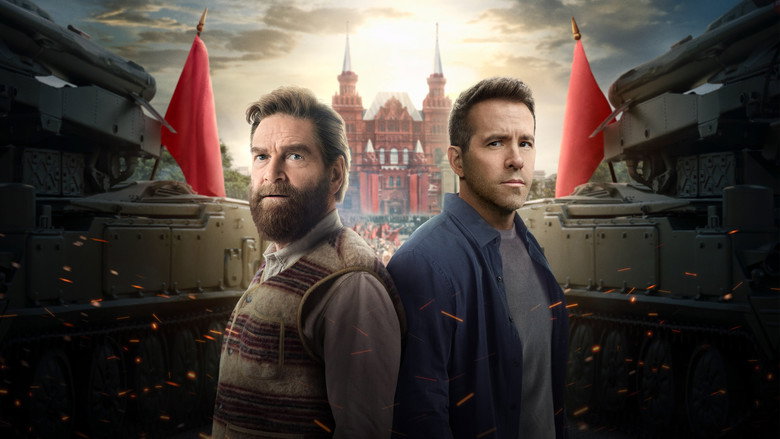
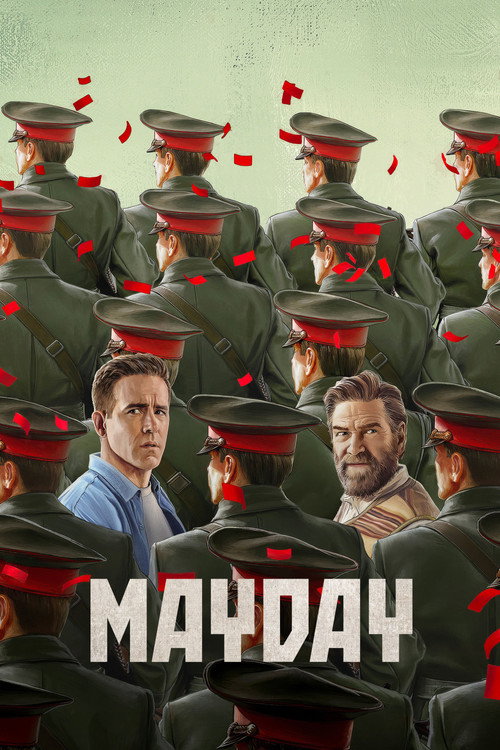
Full spoilers, based on published reporting on the ending.
The setup is a trap in more ways than one. Troy "Assassin" Kelly is sent on a top-secret mission into Russian territory; the operation implodes and leaves him stranded. What looks initially like bad luck or enemy competence becomes, over the course of the film, an indictment of the people who sent him — the mission's collapse and the absence of any rescue expose an institution perfectly willing to write off an asset. This is the structural reason the film cannot end with an American triumph: the American apparatus is not the thing being rooted for.
Nikolai Ustinov, the ex-KGB agent who finds Troy, is introduced as the worst-case scenario and functions as the film's real reversal. His penchant for American culture is played first as a joke, then as characterisation, and finally as the film's argument: the enemy has been quietly in love with the other side all along. Branagh's performance runs the same reversal in miniature, moving from capable violence to genuine tenderness — the register Reynolds singled out as the film's break with action-movie convention.
The ending. The finale turns on a decision by Troy, and it does not resolve as a Cold War victory. The film ends in a feel-good place emotionally but a skeptical one politically: the good guys do not beat the Soviets, and what the film endorses instead is a different, smaller, more personal kind of heroism. Troy's big decision is the payoff of his arc — he began with blind patriotism, confident about who was on the right side and dismissive of Soviets as backward and evil, and the plot's entire function has been to demonstrate that he was too eager to believe that narrative. Choosing the person over the flag is the point.
What clarifies on reflection. The comedy of the first act is retroactively the sound of a man reciting a script — the swagger, the callsign, the certainty are all borrowed. The fatherhood thread reframes the ending too: Troy's choice is not only political but filial, an acknowledgement that the man who actually raised him over the course of this journey was on the other side of the line. And the title lands as thesis rather than plot mechanic: a mayday is the one transmission that belongs to no country, the universal admission of need — which is exactly what the hero spends the film learning to make.