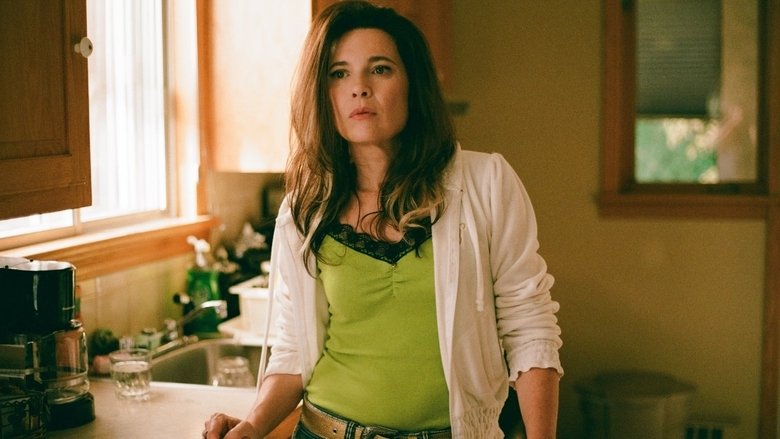
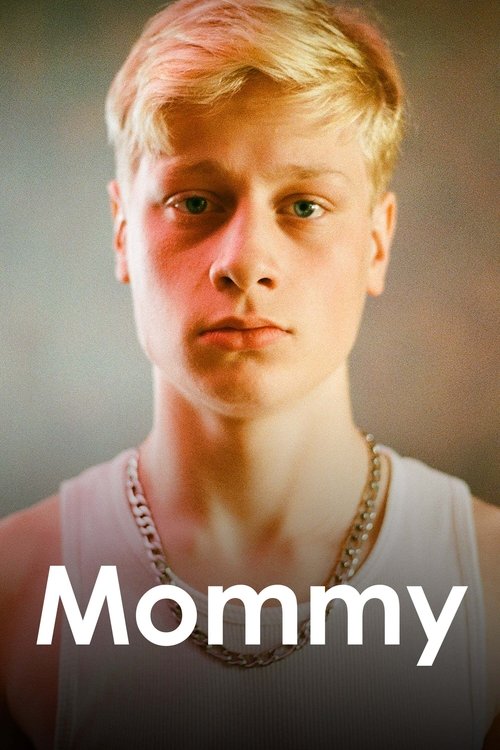
The plot of "Mommy" hinges on a cycle of hope and collapse. After Die brings Steve home, they form a fragile but happy family unit with their neighbor, Kyla. This period of stability, marked by the iconic scene where Steve skateboards to Oasis's "Wonderwall" and physically pushes the 1:1 aspect ratio into a wide 1.85:1 frame, represents the peak of their shared hope and freedom.
The turning point comes when Die is served with a lawsuit from the parents of the boy Steve injured in the institutional fire. The financial and emotional pressure shatters their fragile peace, and the aspect ratio constricts back to its 1:1 square, symbolizing their return to a claustrophobic reality. This leads to Steve's mental state deteriorating, culminating in a suicide attempt where he slits his wrists.
Although he survives, the incident is the final straw for Die. Realizing she can no longer control him or keep him safe, she makes the devastating decision to use the S-14 law to commit him to a public hospital. She tricks him into believing they are going for a picnic, a betrayal that leads to a violent and heartbreaking scene where Steve is subdued by hospital staff as a horrified Die watches.
Near the end, as Die drives, she imagines an entire future for Steve in a poignant montage set to Ludovico Einaudi's "Experience." We see him graduating, falling in love, getting married, and succeeding in life—all the dreams she held for him, now rendered an impossible fantasy. The film's final scene takes place in the institution. After leaving a loving, apologetic voicemail for his mother that she misses, Steve is cornered by orderlies. In a final act of defiance, he runs and leaps out of a window. The film cuts to black, leaving his ultimate fate ambiguous but heavily implying a tragic end, underscored by the closing song, Lana Del Rey's "Born to Die."