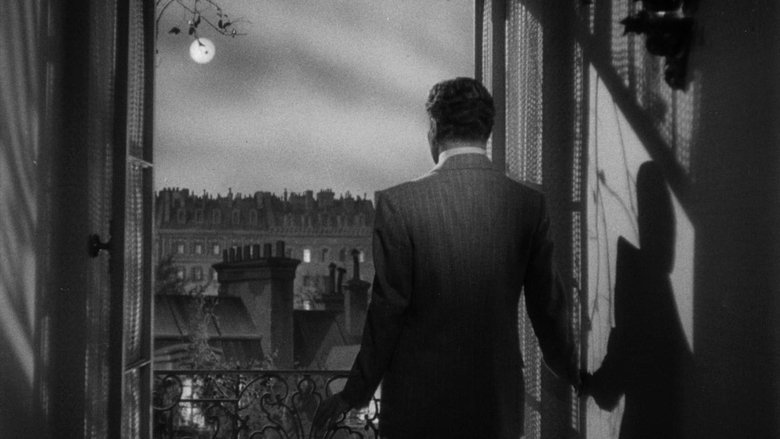
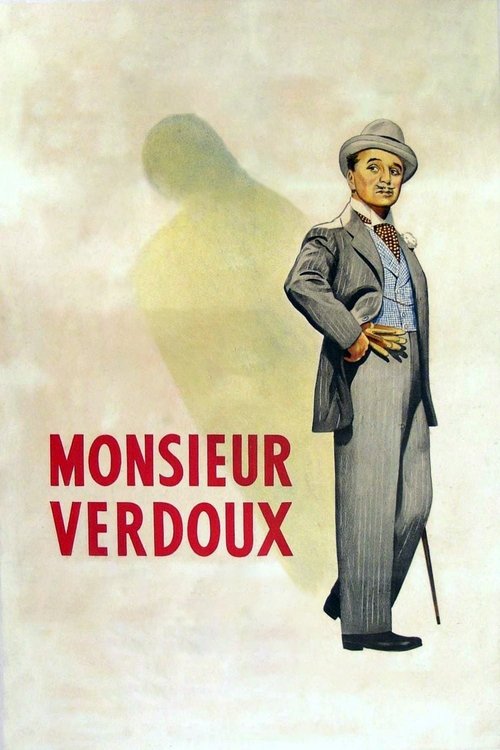
The film follows Verdoux's successful murders of several wives, but the tone shifts when he encounters the 'Girl' (Marilyn Nash). He plans to test a poison on her but spares her upon learning she still believes in love. Years later, after the stock market crash wipes out his fortune, he meets her again; she is now rich and cynical, while he is broken.
The critical twist reveals that Verdoux's wife and child—his sole motivation for murder—have died (implied to be from poverty or illness). With his reason for living gone, he allows himself to be recognized by the family of one of his victims. He deliberately delays his escape, practically surrendering to the police. In the end, he rejects religion, accepts his fate, and walks to the guillotine, not as a repentant sinner, but as a man who sees his death as a release from a corrupt world.