
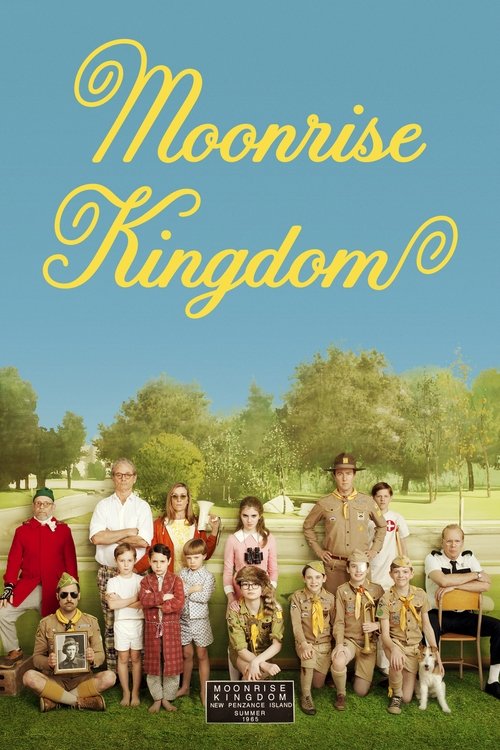
Moonrise Kingdom
A whimsical, nostalgic coming-of-age fable painted in shades of khaki and summer gold. It blends the melancholy of misunderstood childhood with the fierce seriousness of first love, creating a symmetric, storybook world that feels like a bittersweet memory.
Moonrise Kingdom
Moonrise Kingdom
16 May 2012 United States of America 94 min ⭐ 7.7 (6,203)
Director: Wes Anderson
Cast: Jared Gilman, Kara Hayward, Bruce Willis, Edward Norton, Bill Murray
Drama Comedy Romance
The Seriousness of Young Love Dysfunctional Families & Chosen Kin Innocence vs. Experience Order vs. Wilderness
Budget: $16,000,000
Box Office: $68,263,166

Moonrise Kingdom - Ending Explained

⚠️ Spoiler Analysis

The film concludes with a convergence of all plot lines during a massive hurricane.

  • The Climax: Sam and Suzy are cornered on the roof of the church, which serves as a storm shelter. Social Services arrives to take Sam to a juvenile refuge (an orphanage). To escape, Sam and Suzy climb the steeple during the lightning storm, prepared to jump together rather than be separated.
  • The Resolution: Captain Sharp intervenes, not as a police officer but as a protector. He offers to legally adopt Sam, saving him from the orphanage. The steeple is struck by lightning, leaving the three dangling, but they are pulled to safety.
  • The Ending: In the aftermath, balance is restored. The Bishop parents stop their imminent divorce. Captain Sharp and Sam live together happily. Sam and Suzy are still together, though they now meet secretly with the tacit approval of the adults.
  • Final Image: The film ends with a shot of Sam's painting of the cove, now titled "Moonrise Kingdom," dissolving into the real landscape. This reveals that while the physical storm washed away their campsite, the memory and the emotional reality of their kingdom remain immortalized in art.

Alternative Interpretations

While generally viewed as a straightforward narrative, critics have offered deeper readings:

  • The Memory/Fantasy Theory: Some interpret the film as a nostalgic memory of the narrator or an adult Sam. The hyper-stylized, storybook visual quality suggests that we are seeing the events not as they happened, but as they are remembered—idealized, colorful, and more dramatic than reality.
  • Magical Realism: The film can be seen as a "tall tale." Elements like the improbable survival of the lightning strike and the heightened abilities of the children suggest the story operates within the logic of a child's fantasy world rather than strict reality.
  • The "Compromise" Ending: The ending isn't a total victory; the cove is washed away, and the children return to society. This can be read as a metaphor for the necessary death of childhood freedom to survive in the adult world—they keep the memory (the painting) but lose the physical place.