My Father's Violin
A melancholic drama where the poignant strings of a violin bridge the silent gap between a grief-stricken orphan and her emotionally distant uncle.
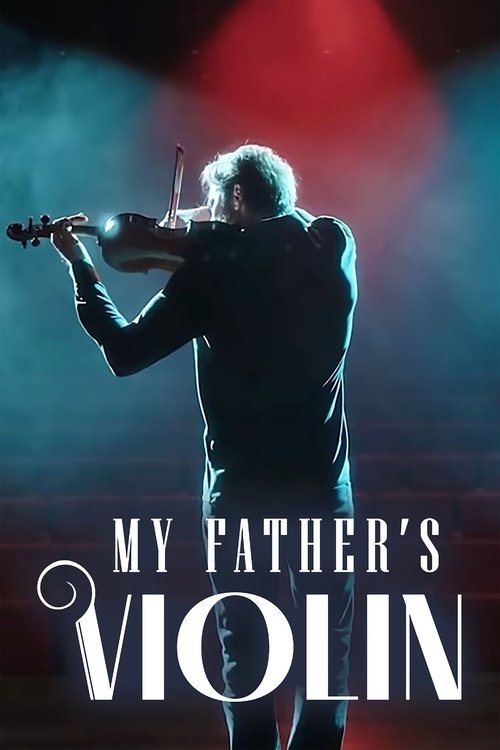
My Father's Violin

My Father's Violin

Babamın Kemanı

21 January 2022 Turkey 112 min ⭐ 7.9 (337)
Director: Andaç Haznedaroğlu
Cast: Engin Altan Düzyatan, Belçim Bilgin, Gülizar Nisa Uray, Selim Erdoğan, Erdem Baş
Drama Music
Family and Reconciliation Grief and Healing The Power of Music Sacrifice and Unconditional Love

Overview

"My Father's Violin" (original title: "Babamın Kemanı") is a heartfelt Turkish drama that tells the story of Özlem, a spirited eight-year-old girl, who is suddenly orphaned after the death of her father, Ali Riza, a street musician. Her only remaining relative is her estranged uncle, Mehmet, a world-renowned and egotistical violin virtuoso who has been disconnected from his brother for decades.

Reluctantly, Mehmet takes Özlem into his care, but his cold demeanor and focus on his career create a significant emotional barrier between them. Through their shared connection to music and the violin left behind by her father, Özlem and Mehmet slowly begin to navigate their grief and confront the painful family history that separated the two brothers. The film explores their journey of healing, understanding, and the formation of a new family, set against the vibrant backdrop of Istanbul.


Core Meaning

The core meaning of "My Father's Violin" revolves around the power of music to heal past wounds, bridge emotional divides, and foster human connection. The director, Andaç Haznedaroğlu, conveys that family is not just about blood ties but about empathy, sacrifice, and the willingness to open one's heart to another's "melody." The film suggests that true artistry and personal fulfillment come not from fame and perfection, but from embracing vulnerability and love. It carries a message of hope, demonstrating that even the most broken relationships can be mended through understanding and compassion.

Thematic DNA

Family and Reconciliation 35%
Grief and Healing 30%
The Power of Music 25%
Sacrifice and Unconditional Love 10%

Family and Reconciliation

The film delves into the fractured relationship between two brothers, Mehmet and Ali Riza, driven apart by a traumatic childhood. Özlem's arrival forces Mehmet to confront his past and the reasons for his estrangement from his brother. The central theme is the journey towards reconciliation, not just between the living characters, but also with the memory of the deceased. The formation of a new family unit between Mehmet, Özlem, and Mehmet's wife, Suna, underscores the idea that family can be rebuilt and redefined.

Grief and Healing

Each of the main characters is dealing with a form of grief. Özlem grieves the loss of her father, her only parent. Mehmet is grieving the loss of a brother he never truly knew and a childhood scarred by trauma. Suna grieves the emotional distance in her marriage. Music, particularly the violin, serves as a therapeutic outlet for their pain, allowing them to express emotions they cannot articulate and ultimately find a path toward healing.

The Power of Music

Music is more than just a backdrop in the film; it's a central character. The violin acts as a conduit for communication and emotional expression. The contrast between Ali Riza's soulful street music and Mehmet's technically perfect but emotionally cold concert performances highlights the different ways music can be approached. The film posits that music's true power lies in its ability to connect people and convey deep-seated emotions.

Sacrifice and Unconditional Love

A pivotal revelation in the film is that Ali Riza sacrificed his own chance at a better life to save his younger brother, Mehmet. This act of selfless love, unknown to Mehmet for most of his life, becomes the catalyst for his transformation. It challenges his self-centered worldview and teaches him the meaning of unconditional love, which he then begins to extend to Özlem.

Character Analysis

Mehmet Mahir

Engin Altan Düzyatan

Archetype: The Antihero
Key Trait: Egotistical

Motivation

Initially, Mehmet is motivated by his career and the pursuit of perfection in his music. He actively avoids emotional connections to protect himself from the pain of his past. His motivation shifts as he gets to know Özlem, and he becomes driven by a desire to protect her and build a family.

Character Arc

Mehmet begins as an arrogant, emotionally detached, and self-centered violin virtuoso. Haunted by a traumatic past, he has built walls around himself. His journey is one of profound transformation, as the responsibility of caring for his niece, Özlem, forces him to confront his demons, understand his brother's sacrifice, and learn to love and connect with others. He evolves from a cold artist to a warm and caring father figure.

Özlem

Gülizar Nisa Uray

Archetype: The Catalyst
Key Trait: Resilient

Motivation

Özlem's primary motivation is to find a sense of belonging and family after losing her father. She wants to connect with her uncle and keep the memory and music of her father alive.

Character Arc

Özlem starts as a cheerful and resilient young girl, despite her impoverished upbringing. After her father's death, she faces the challenge of adapting to a new life with her cold uncle. Her arc is one of perseverance and emotional honesty. She doesn't lose her spirit and, through her innocence and love for music, she becomes the catalyst for Mehmet's and Suna's emotional healing and the mending of their family.

Suna

Belçim Bilgin

Archetype: The Nurturer
Key Trait: Compassionate

Motivation

Suna is motivated by a desire for a genuine emotional connection and a loving family. She is drawn to Özlem's warmth and sees her as a chance to fill the void in her life and marriage.

Character Arc

Suna is Mehmet's wife, a talented musician who has sacrificed her own career for his. She is initially shown as being emotionally distant from Mehmet due to his ego. She quickly forms a bond with Özlem, seeing in her the child they never had. Suna's arc involves finding her own voice and happiness, both by nurturing Özlem and by eventually reconnecting with Mehmet on a more emotionally honest level.

Ali Riza

Selim Erdoğan

Archetype: The Sacrificial Figure
Key Trait: Selfless

Motivation

Ali Riza's main motivation is to ensure his daughter's well-being after his impending death. This leads him to reconnect with his estranged brother. His life has been defined by his love for his family, for whom he made the ultimate sacrifice.

Character Arc

Ali Riza is seen at the beginning of the film as a loving father and a street musician. His character is revealed more fully through flashbacks and stories after his death. His arc is one of selfless love and sacrifice for his younger brother, which is the key to the film's central mystery and emotional resolution.

Symbols & Motifs

The Violin

Meaning:

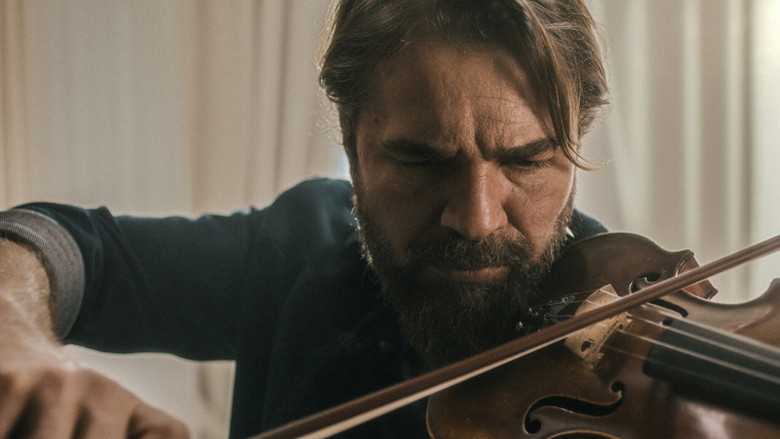
The violin symbolizes the emotional and genetic bond between the family members. It is a legacy passed down from father to daughter and a shared passion that connects the two estranged brothers. The way each character plays the violin reflects their emotional state: Ali Riza's is full of warmth and life, Mehmet's is technically brilliant but emotionally sterile, and Özlem's is a raw expression of her grief and resilience.

Context:

Ali Riza's violin is a constant presence, a physical reminder of him after his death. Mehmet's relationship with his own violin evolves throughout the film, mirroring his emotional journey. Özlem's playing is what ultimately breaks through Mehmet's emotional barriers.

Street Music vs. Concert Hall

Meaning:

The contrast between the lively, improvisational street music and the formal, rigid atmosphere of the concert hall symbolizes the different worlds of the two brothers. Ali Riza's life on the streets represents a life of hardship but also of authentic human connection and emotional freedom. Mehmet's life in the concert hall signifies success and perfection but also emotional isolation and a disconnect from his roots.

Context:

The film opens with Özlem and her father performing on the streets of Istanbul. Mehmet is primarily seen in opulent concert halls and his luxurious home. The two worlds collide when Özlem brings her street-performer sensibilities into Mehmet's structured life.

Memorable Quotes

Everyone is a melody, you just need to know how to listen.

— Ali Riza

Context:

Ali Riza says this to his daughter, Özlem, while they are living their life as street musicians. This piece of wisdom guides Özlem and is a recurring motif in the film.

Meaning:

This line encapsulates the film's core philosophy. It suggests that every person has their own unique story and emotional landscape, and true connection comes from taking the time to understand them. It's a lesson that Mehmet learns throughout the film.

I don't even need a stage to play.

— Özlem

Context:

Özlem says this defiantly to Mehmet when he tells her to get off the rehearsal stage.

Meaning:

This quote highlights Özlem's genuine and unpretentious love for music. It contrasts with Mehmet's reliance on the formal setting of a concert hall and his obsession with public perception. For Özlem, music is a pure form of expression, not a performance for acclaim.

Family is the most beautiful composition that is made up of different notes.

— Mehmet

Context:

Mehmet says this to his wife, Suna, towards the end of the film as they are rebuilding their relationship and forming a new family with Özlem.

Meaning:

This quote signifies Mehmet's transformation. He finally understands that the complexities and differences within a family are what make it beautiful, much like the different notes in a musical composition. It's his articulation of the lesson he has learned from Özlem and his reconciliation with his past.

I'm waiting for my taxi.

— Özlem

Context:

Özlem says this to Suna when she refuses to enter Mehmet's house for the first time, sitting on the steps outside.

Meaning:

This innocent yet poignant line reveals Özlem's initial reluctance to accept her new home and her longing for the life she has lost. It shows her childlike way of coping with a difficult situation and her underlying sadness.

Philosophical Questions

What is the true measure of a successful life: professional acclaim or personal connection?

The film explores this question through the juxtaposition of the two brothers. Mehmet has achieved worldwide fame and financial success but is emotionally bankrupt and lonely. Ali Riza lived a life of poverty but was rich in love and human connection. The film ultimately argues that true success and happiness lie in the latter.

Can we ever truly escape our past, or are we destined to be shaped by our childhood traumas?

Mehmet's character is a study in how childhood trauma can lead to a lifetime of emotional repression and difficulty in forming relationships. The film suggests that while we cannot erase the past, we can confront it and, through love and understanding, prevent it from defining our future.

What is the role of art in healing and communication?

"My Father's Violin" champions the idea that art, specifically music, can be a powerful tool for healing and a form of communication that transcends words. When verbal communication fails the characters, they turn to music to express their pain, love, and longing, ultimately leading to mutual understanding and catharsis.

Alternative Interpretations

While the film presents a largely straightforward narrative of redemption and healing, some alternative interpretations can be considered. One perspective is that Mehmet's transformation is not solely due to his growing affection for Özlem, but also a selfish desire to create a legacy and a family to fill the void in his own life, which he only realizes is possible through her. Another reading could focus on the class dynamics at play, with the wealthy, Westernized Mehmet 'saving' his niece from a life of poverty, which could be seen as a commentary on social stratification in modern Turkey. Some critics have pointed out that the film glosses over the complexities of grief, particularly in Özlem's character, who seems to recover from her father's death rather quickly, suggesting that her character is more of a plot device for Mehmet's redemption than a fully realized individual.

Cultural Impact

"My Father's Violin" is part of the growing global phenomenon of Turkish dramas, which have gained immense popularity worldwide. These productions often blend universal themes of family, love, and loss with a distinct Turkish cultural backdrop, making them relatable to a diverse audience. The film showcases the beauty of Istanbul, from its bustling streets to its grand concert halls, acting as a form of cultural diplomacy and potentially boosting tourism. While the story itself is a familiar melodrama, its Turkish setting and cultural nuances offer a fresh perspective for international viewers, contributing to the soft power of Turkish media. The film also pays tribute to the street musicians of Istanbul, a significant part of the city's cultural fabric.

Audience Reception

Audience reception for "My Father's Violin" has been generally positive, with many viewers praising its emotional depth and heartwarming story. The performances of the lead actors, particularly Engin Altan Düzyatan and the young Gülizar Nisa Uray, have been widely acclaimed. The film's beautiful music and cinematography, showcasing the city of Istanbul, have also been highlighted as strong points. However, some viewers and critics have pointed out that the plot is predictable and follows a familiar melodramatic formula. The film has also been criticized for its oversimplification of complex emotions, such as grief and the process of bonding between the uncle and niece. Despite these criticisms, many find it to be a touching and uplifting film about family and the power of music.

Interesting Facts

  • The film was shot on location in Istanbul, Turkey, in the spring of 2021.
  • Some of the concert scenes were filmed at UNIQ Istanbul, a well-known event venue in the city.
  • The film is a production of BKM, a prominent Istanbul-based production company.
  • Engin Altan Düzyatan, who plays Mehmet, is a famous Turkish actor, well-known for his role in the historical series "Diriliş: Ertuğrul".
  • The film was released globally on Netflix on January 21, 2022.

⚠️ Spoiler Analysis

Click to reveal detailed analysis with spoilers

Frequently Asked Questions

Explore More About This Movie

Dive deeper into specific aspects of the movie with our detailed analysis pages

Comments (0)

Leave a comment

No comments yet. Be the first to share your thoughts!