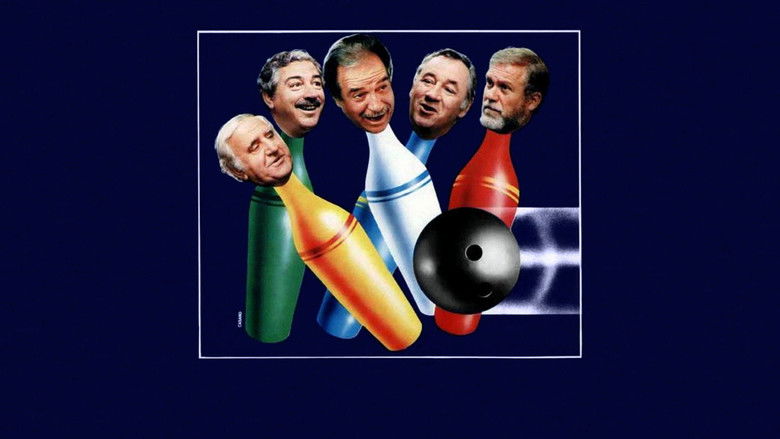
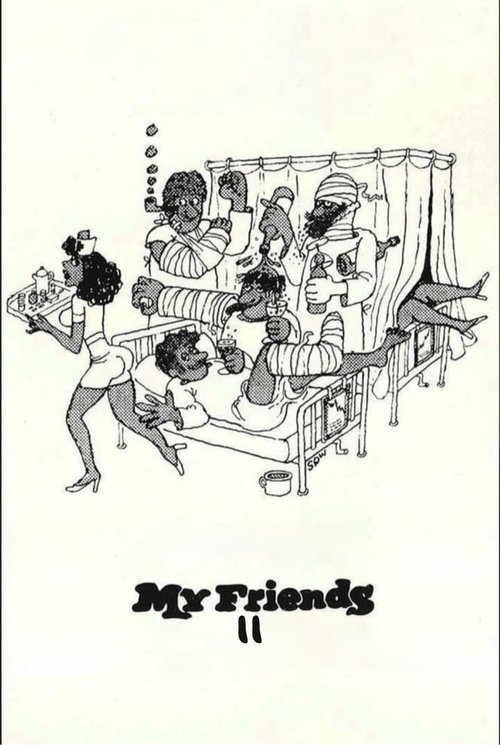
My Friends Act II
A bittersweet comedy where laughter masks the creeping shadow of mortality. Aging pranksters wage a rebellious, irreverent war against time in wintery Florence, proving that a youthful spirit can survive even a decaying body.
My Friends Act II
My Friends Act II

Amici miei - Atto II°

22 December 1982 Italy 130 min ⭐ 7.6 (360)
Director: Mario Monicelli
Cast: Ugo Tognazzi, Adolfo Celi, Gastone Moschin, Renzo Montagnani, Philippe Noiret
Comedy
The Inevitability of Aging and Mortality Male Bonding and Brotherhood Cynicism as a Coping Mechanism Rebellion Against Bourgeois Norms

My Friends Act II - Ending Explained

⚠️ Spoiler Analysis

The film uses extensive flashbacks to reveal deeper layers of the characters' pasts, including Perozzi's struggles with his family and the group's survival during the catastrophic 1966 Florence flood. In the present timeline, the major plot twist involves the seemingly invincible Count Mascetti suffering a severe stroke after a passionate affair with a young Spanish contortionist.

The stroke leaves Mascetti paralyzed and confined to a wheelchair, serving as a stark visual representation of the aging they had been trying so hard to outrun. However, the ending brilliantly flips this tragedy. In the final sequence, the friends participate in a Paralympic race, aggressively pushing Mascetti's wheelchair to cheat and win. Even in his crippled state, Mascetti manages to perform his signature supercazzola on an official. The hidden meaning is clear: the body may fail, but the irreverent spirit endures until the very end.

Alternative Interpretations

While broadly viewed as a bittersweet ode to enduring friendship, a prominent alternative interpretation reads the film as a harsh critique of toxic masculinity and arrested development. From this perspective, the protagonists are not lovable rogues, but deeply selfish, misogynistic men who ruin the lives of their wives, children, and innocent bystanders to avoid taking real responsibility for their own failures.

Another reading focuses on the film's ending. While some viewers interpret Mascetti's final state in a wheelchair as a depressing, pathetic defeat by old age, others read it as a triumphant and defiant victory of the human spirit. Despite his paralyzed body, his mind remains sharp enough to continue orchestrating the ultimate joke against life's cruelty.