新世紀エヴァンゲリオン劇場版 Air/まごころを、君に
"The fate of destruction is also the joy of rebirth."
Neon Genesis Evangelion: The End of Evangelion - Ending Explained
⚠️ Spoiler Analysis
"The End of Evangelion" completely reframes the ending of the original series by depicting the physical events of the Third Impact. The plot's major turn is the revelation that SEELE's true purpose was to intentionally initiate this apocalypse, using NERV and the Angels as pawns all along. They unleash the Japanese Strategic Self-Defense Force to massacre everyone at NERV HQ to gain control of the Evas.
A key twist occurs when Rei Ayanami, who was believed to be Gendo Ikari's loyal puppet, defies him at the crucial moment. Gendo intends to merge with the embryonic Adam and the soul of Lilith (within Rei) to orchestrate his own version of Instrumentality to reunite with his dead wife, Yui. Instead, Rei absorbs Adam and rejects Gendo, choosing to give control over humanity's fate to Shinji.
Asuka's character has a triumphant, yet ultimately tragic, final arc. She realizes her mother's soul was always protecting her from within Eva Unit-02, allowing her to overcome her trauma and fight magnificently. However, she is horrifically killed by the nine Mass Production Evas, which are revealed to be immortal and powered by dummy plugs based on Kaworu Nagisa. Her gruesome death is a catalyst for Shinji's final mental breakdown, which triggers the Third Impact.
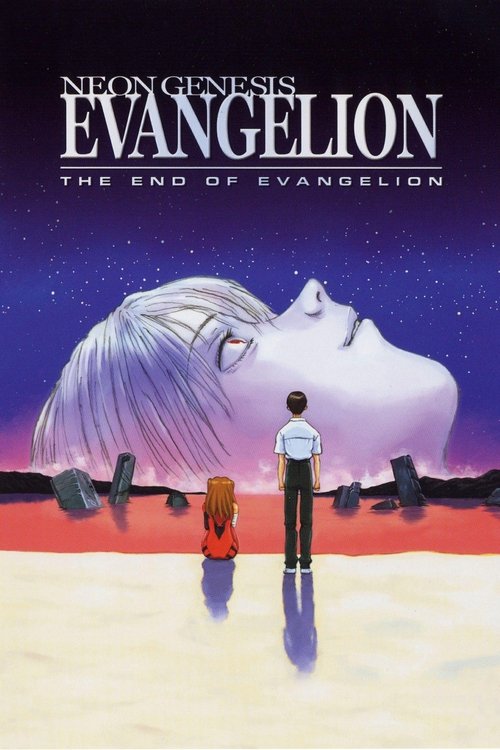
The climax reveals the ultimate nature of the Human Instrumentality Project: the merging of all human souls into a single entity, dissolving all individuality. Shinji, at the center of this event, initially wishes for this world without pain where everyone can just die. However, through a series of surreal visions and dialogues, he realizes that a world without others is meaningless and that joy cannot exist without sadness. He rejects Instrumentality, allowing humans with a strong enough will to live to reform their bodies from the primordial Sea of LCL. The final, enigmatic scene shows Shinji and Asuka as the first (and perhaps only) two to return. Shinji's attempt to strangle Asuka, and her subsequent caress, symbolizes their deeply dysfunctional relationship and the painful, uncertain reality he has chosen over a painless void.
Alternative Interpretations
The famously ambiguous ending of "The End of Evangelion" has given rise to numerous interpretations over the years. Here are a few prominent ones:
The Adam and Eve Theory: This is one of the most common interpretations. Shinji and Asuka are the only two humans to have returned from the LCL sea. They are essentially a new Adam and Eve, given the chance to repopulate the Earth. The name of the franchise itself, "Neon Genesis Evangelion," lends credence to this idea of a new beginning. However, their dysfunctional and violent first interaction suggests this new genesis will be just as fraught with pain as the old world.
The Purgatory/Ongoing Choice Theory: This theory suggests that Shinji and Asuka are simply the *first* to return, not the only ones. Yui Ikari's spirit tells Shinji that anyone with the will to live can regain their physical form. The final scene, therefore, is not the definitive end but the very beginning of a long, difficult process for humanity to choose to return to individuality. Shinji and Asuka's struggle represents the initial, painful steps of rebuilding a world based on human connection.
The Cyclical/Time Loop Theory: Popularized further by the subsequent "Rebuild of Evangelion" films, this theory posits that the events of Evangelion are cyclical. Shinji (or another character) is doomed to repeat these events until a different outcome is achieved. The final scene could be seen as just one more iteration in a long loop of suffering and rebirth.
The Meta-Commentary Theory: This interpretation views the ending as a direct message from Hideaki Anno to the audience, particularly the otaku fans who reacted negatively to the TV series ending. Shinji's act of strangling Asuka represents his rejection of a difficult reality (and perhaps the creator's frustration with his characters/audience). Asuka's caress and final line ("How disgusting") symbolize the painful, awkward, but necessary step of re-engaging with another person in the real world, away from the comfort of escapist fantasy. The entire film can be seen as Anno forcing his protagonist—and by extension, the viewer—out of their shell.