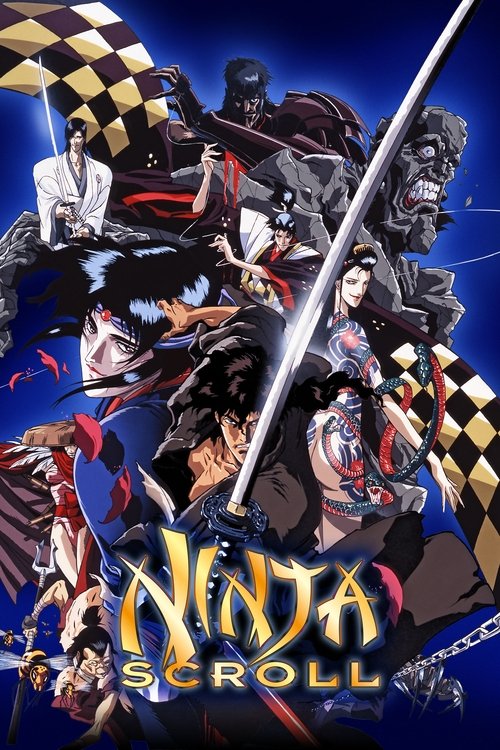
Ninja Scroll
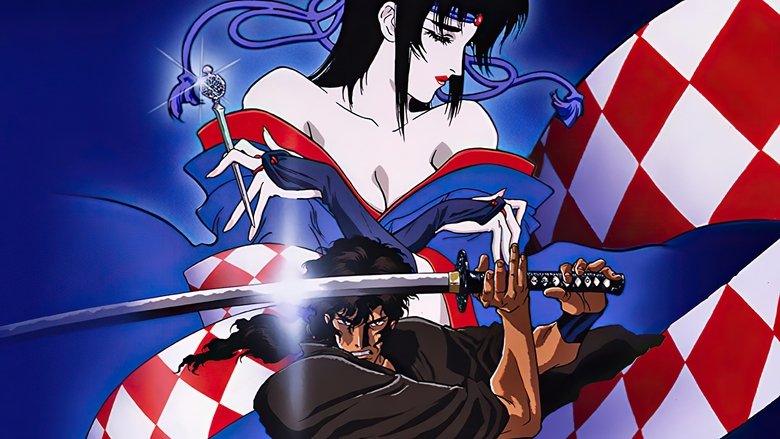
A visceral storm of blood, steel, and shadows where a wandering swordsman and a poison-cursed kunoichi battle demonic forces. It is a dark, erotic elegy to the fleeting nature of life, painted in shades of midnight blue and crimson.
Ninja Scroll
Ninja Scroll

獣兵衛忍風帖

"Feudal Japan—a time of danger, intrigue and deception . . ."

05 June 1993 Japan 94 min ⭐ 7.8 (711)
Director: Yoshiaki Kawajiri
Cast: Koichi Yamadera, Emi Shinohara, Takeshi Aono, Daisuke Gori, Ryuuzaburou Ootomo
Animation Fantasy Action Adventure
The Cost of Greed and Power Individuality vs. Collectivism Tragedy of the 'Cursed' Woman The Cycle of Violence

Ninja Scroll - Ending Explained

⚠️ Spoiler Analysis

The Cure Twist: The revelation that Kagero's poison is the cure for Jubei's poisoning is the emotional climax. Jubei refuses to sleep with her to cure himself (refusing to use her as a tool), but her dying kiss transfers the antidote, saving him. This subverts the 'damsel' trope by making her the savior.

Gemma's Immortality: The twist that Gemma is Jubei's former leader explains Jubei's cynicism. Gemma represents the ultimate corruption of the ninja code. His defeat—being encased in gold—is an ironic punishment: the immortal is trapped forever in the material wealth he valued over life.

Alternative Interpretations

The Political Allegory: Some critics view the film as a cynical critique of the Tokugawa Shogunate's stability. The government (Dakuan) is just as ruthless and manipulative as the demons (Gemma), suggesting that political order is maintained only through the exploitation of outcasts like Jubei and Kagero.

The Feminist Reading: While often criticized for its sexual violence, an alternative reading suggests the film highlights the tragedy of female objectification in a patriarchal warrior society. Kagero's struggle is to reclaim her body from being a 'vessel' (for poison or men) to being her own person, achieving this autonomy only in her final choice of sacrifice.