"On My Skin" meticulously follows the seven-day timeline from Stefano Cucchi's arrest to his death. After being arrested for possession of hashish and cocaine, he is taken into custody by Carabinieri officers. Behind a closed door, he is savagely beaten, sustaining multiple fractures to his spine and face. The rest of the film details his agonizing physical deterioration as he is shuffled through the justice system. At his preliminary hearing, he is visibly injured but tells the judge he fell. He is ordered to be held in Regina Coeli prison.
In prison, his condition worsens. He is in excruciating pain, has trouble urinating, and can barely walk. He is transferred to the prison's medical facility, but his health continues to decline. He refuses food and certain treatments, enveloped in fear and pain. His family's frantic attempts to see him are continuously blocked by bureaucracy. They are never allowed to visit him while he is alive. On October 22, 2009, one week after his arrest, Stefano Cucchi dies alone in his hospital bed. The film's final, devastating scenes show his family being notified of his death and then viewing his emaciated, bruised body in the morgue. The hidden meaning that becomes clear is that Stefano's death was not the result of a single moment of violence, but of a complete and total systemic failure where every single person in a position of authority who saw him failed to act, thereby becoming complicit in his death. The film's epilogue reveals the long legal battle his family undertook, and that at the time of filming, the case was still unresolved, making the film itself an act of bearing witness.
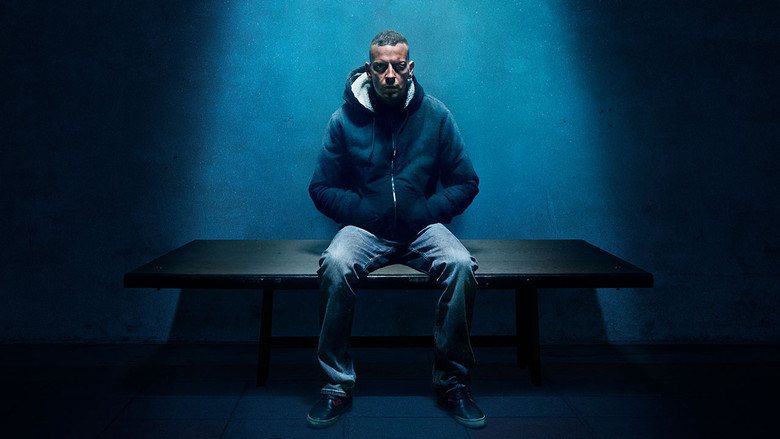
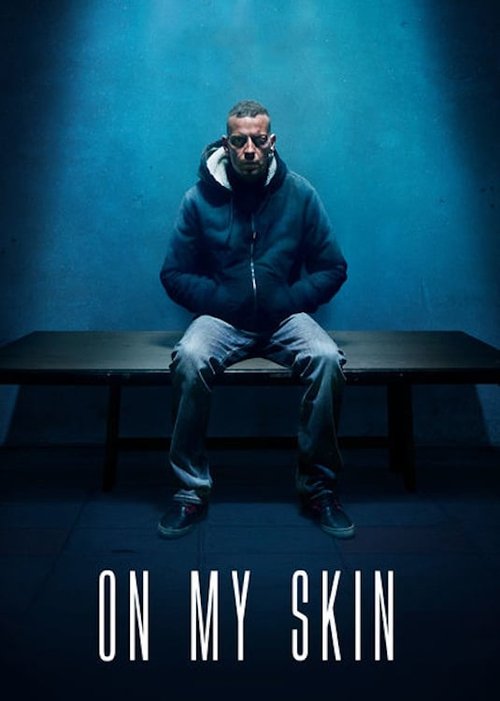
Sulla mia pelle
"The last seven days of Stefano Cucchi"
Director: Alessio Cremonini
Cast: Alessandro Borghi, Max Tortora, Jasmine Trinca, Milvia Marigliano, Elisa Casavecchia
On My Skin — Ending Explained
⚠️ Spoiler Analysis
Alternative Interpretations
While the film's narrative is a direct, fact-based reconstruction, critical interpretations vary on the effectiveness of its choices. Some critics argued that the director's decision not to show the actual beating was a weakness, a missed opportunity to take a definitive stand and viscerally confront the audience with the violence. This perspective suggests the film could have been a more forceful indictment of the system had it been more explicit.
Conversely, the dominant interpretation is that this omission is the film's greatest strength. By focusing on the aftermath—the slow, agonizing decay and the cold, procedural response of the system—the film makes a more profound point: the true horror lies not only in the explosive moment of violence but in the quiet, sustained indifference that follows. This reading suggests the film isn't just about a beating, but about a systemic and moral collapse. Another subtle interpretation frames Stefano's ordeal as a modern-day Calvary, a secular passion play where he is a sacrifice to an unfeeling, bureaucratic state, visually hinted at in a scene where he is strapped to an x-ray machine in a crucifix-like pose.
Explore More About This Movie
Dive deeper into specific aspects of the movie with our detailed analysis pages