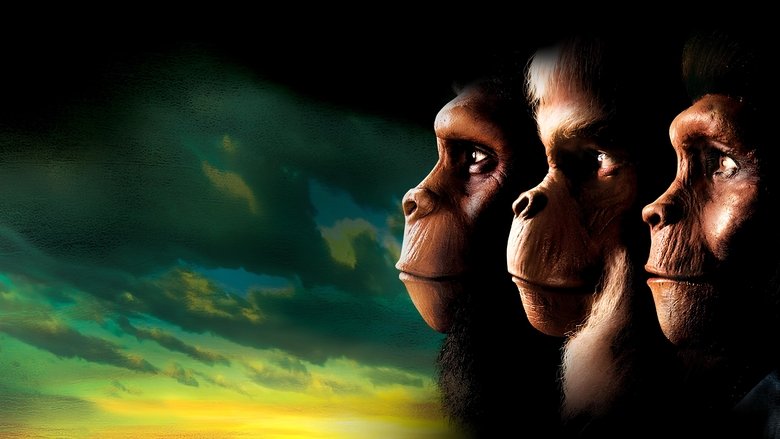

Planet of the Apes
A dystopian sci-fi masterpiece that plunges the viewer into a chilling upside-down world where humanity is mute and subjugated, ending with a gut-wrenching realization and the haunting visual of a shattered monument half-buried in the sand.
Planet of the Apes
Planet of the Apes

"Somewhere in the Universe, there must be something better than man!"

07 February 1968 United States of America 112 min ⭐ 7.6 (3,856)
Director: Franklin J. Schaffner
Cast: Charlton Heston, Roddy McDowall, Kim Hunter, Maurice Evans, James Whitmore
Drama Action Adventure Science Fiction
Human Self-Destruction and Hubris Social Hierarchy and Prejudice Religion vs. Science Animal Rights and Dehumanization
Budget: $5,800,000
Box Office: $32,589,624

Planet of the Apes - Ending Explained

⚠️ Spoiler Analysis

The film masterfully sets up a decoy premise: Taylor firmly believes he has landed on a distant, alien planet orbiting a star in the constellation of Orion. However, the devastating final shot reveals the half-buried remains of the Statue of Liberty, proving he has been on Earth the entire time—thousands of years in the future after a nuclear apocalypse.

This twist recontextualizes the entire film. The "Forbidden Zone" is actually a radioactive wasteland left over from human warfare. The evolutionary regression of humans into mute animals was caused by a combination of nuclear fallout and apes rising to dominance. Dr. Zaius's villainy is also reframed: he was not merely an ignorant religious zealot, but a custodian of a terrible truth. He knew exactly what humans were capable of, and his cruel subjugation of Taylor was a desperate attempt to prevent mankind from regaining power and destroying the planet a second time.

Alternative Interpretations

While the most prominent interpretation of Planet of the Apes is as a Cold War-era warning about nuclear annihilation, critics and audiences have explored several other valid perspectives:

  • Civil Rights Allegory: Released in 1968, the film acts as a stark commentary on the racial tensions of the era. Taylor, an embodiment of white male privilege, is stripped of his status and subjected to the systemic dehumanization, institutional prejudice, and physical abuse typically inflicted on minorities, forcing audiences to confront the horrors of racism.
  • Critique of Anti-Intellectualism: The society governed by Dr. Zaius can be read as a metaphor for the clash between creationism and evolution, or religion and science. Zaius suppresses Cornelius's archaeological evidence to maintain religious dogma, representing how authorities often crush inconvenient truths to retain political power.
  • Animal Rights Parable: By reversing the roles of humans and apes, the film forces viewers to experience the horrors of animal testing, captivity, and trophy hunting from the perspective of the caged beast, raising profound ethical questions about humanity's treatment of other species.