Skip to content
Pretty Lethal
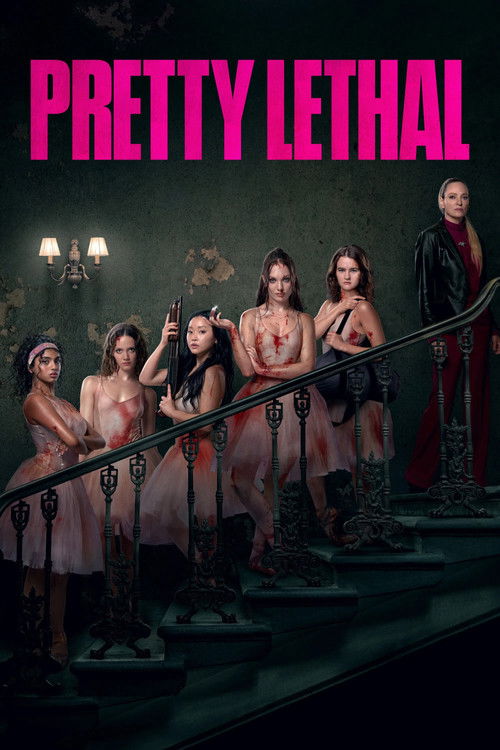
A storm of velvet, blood, and broken glass, Pretty Lethal turns the delicate discipline of ballet into an explosive dance of survival where grace transforms into a lethal weapon.
Pretty Lethal

Pretty Lethal

"Blood, sweat and tutus."

13 March 2026 United States of America 89 min 6.8 (473)

Director: Vicky Jewson

Cast: Maddie Ziegler, Lana Condor, Iris Apatow, Millicent Simmonds, Avantika

Action Thriller Horror Discipline as a Weapon Sisterhood over Rivalry The Cycle of Exploitation and Faded Dreams Resilience and Bodily Autonomy Preservation of Identity in Trauma

Overview

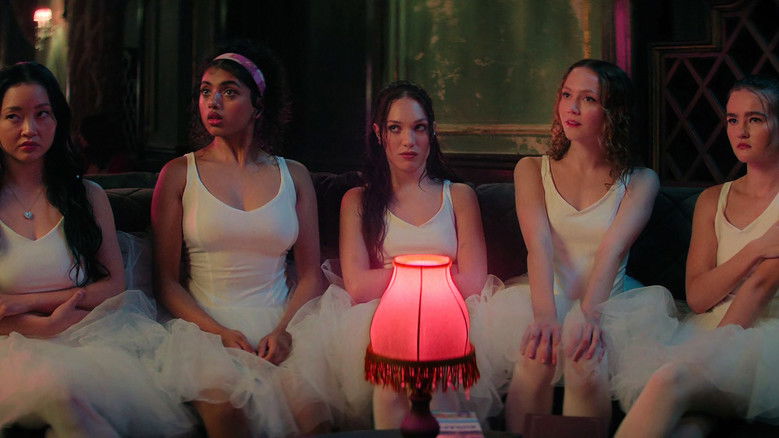
Directed by Vicky Jewson and written by Kate Freund, Pretty Lethal (2026) is an 88-minute action-thriller produced by 87North Productions (Bullet Train, Nobody). The story centers on a dysfunctional Los Angeles ballet troupe composed of five talented young dancers: the intense, guarded Bones (Maddie Ziegler), her wealthy, spoiled rival Princess (Lana Condor), the sheltered, deeply religious Grace (Avantika), the compassionate Zoe (Iris Apatow), and Zoe's resilient, hearing-impaired sister Chloe (Millicent Simmonds). Accompanied by their dedicated instructor, Miss Thorna Devonport (Lydia Leonard), the troupe travels to Hungary to compete at the prestigious International Ballet Gala in Budapest.

When flight disruptions force them onto a dilapidated bus that breaks down on a dark Hungarian forest road, the troupe sets off on foot through the rain to find help. They seek refuge at the Teremok Inn, an eerie roadside hotel decorated in extravagant, decaying Nutcracker-themed memorabilia. The inn is managed by Devora Kasimer (Uma Thurman), a reclusive former prima ballerina who secretly operates the venue as a front for a ruthless criminal syndicate.

The atmosphere turns lethal when Miss Thorna accidentally witnesses a violent crime within the inn, prompting a mobster to murder her. Realizing the five surviving dancers are loose witnesses, the criminals lock them away. Trapped deep in the Hungarian countryside with no outside help coming, the dancers must set aside their fierce interpersonal rivalries and weaponize years of grueling ballet training to fight their way out.

Core Meaning

The central message of Pretty Lethal is the reclamation of bodily autonomy and the transformation of forced perfectionism into raw power. Ballet is historically characterized by relentless physical sacrifice, strict discipline, and aesthetic suffering imposed on young women. Jewson’s film flips this dynamic on its head: the rigorous conditioning, spatial awareness, and tolerance for physical pain that the dancers cultivated for the stage become the exact tools required to overpower brutal, disorganized violence. The film asserts that genuine strength comes from unity and solidarity rather than isolation or toxic competition.

Thematic DNA

Discipline as a Weapon 30%
Sisterhood over Rivalry 25%
The Cycle of Exploitation and Faded Dreams 20%
Resilience and Bodily Autonomy 15%
Preservation of Identity in Trauma 10%

Discipline as a Weapon

The film reframes the physical agony of classical dance into combat mastery. The precision of a fouetté turn, the height of a grand jeté, and core flexibility are directly translated into martial arts strikes and evasive maneuvers.

Sisterhood over Rivalry

At the start, petty jealousy and ego divide the troupe—specifically between principal dancer Bones and her wealthy rival Princess. When confronted with existential danger, they learn that individual talent is useless without collective rhythm and mutual trust.

The Cycle of Exploitation and Faded Dreams

Embodied by Devora Kasimer, this theme explores how young female performers are exploited by predatory institutions and syndicates. Devora serves as a dark mirror to the young dancers—a former prodigy whose body was broken by mob violence, turning her into a perpetrator of the same systemic cruelty.

Resilience and Bodily Autonomy

The lead characters constantly assert ownership over their bodies, refusing to accept the role of passive victims when targeted by armed assailants.

Preservation of Identity in Trauma

Even amid extreme violence, the characters retain their distinct artistic identities, using their unique movement styles to express emotional endurance.

Character Analysis

Bones

Maddie Ziegler

Archetype: Protagonist / Reluctant Leader Key Trait: Edgy, fiercely physical, guarded.

Motivation

Survival and protecting her fellow dancers.

Character Arc

Evolves from an isolated outsider into a selfless tactical leader who rallies the team.

Devora Kasimer

Uma Thurman

Archetype: Antagonist / Tragic Fallen Mentor Key Trait: Dramatic, bitter, commanding.

Motivation

Settling long-standing debts and exacting revenge on mob boss Lothar.

Character Arc

A former prima ballerina whose ruined career turned her into a ruthless crime boss orchestrating a bloody trap.

All 5 characters and cast

Symbols & Motifs

Razor-Bladed Pointe Shoes

Meaning:

Symbolizes the razor-thin margin between beauty and destruction.

Context:

In the second half, the dancers attach blades and shattered glass to the tips of their shoes, turning a symbol of traditional female pain into a lethal instrument of self-defense.

The Teremok Inn / Nutcracker Decors

Meaning:

Represents faded glamour, false safety, and structural decay.

Context:

The pink, fairytale interior masks the dark, criminal underworld operating beneath its surface.

The Solo vs. Ensemble Performance

Meaning:

A recurring narrative motif symbolizing harmony through struggle.

Context:

Early scenes highlight selfish solos and ego battles, whereas the fight sequences are shot like synchronized ensemble choreography.

Blood-Soaked Tutus

Meaning:

Visual motif depicting the loss of pure, untouched innocence and the dancers' baptism into violent survival.

Context:

Worn by the dancers throughout their brutal confrontation and survival fight against the armed syndicate.

Memorable Quotes

In this world, grace isn't enough... you have to bleed.
— Devora Kasimer

Context

Devora delivers this line while confronting the dancers inside the inn.

Meaning

Establishes her ruthless philosophy that beauty without willingness to inflict violence leads to destruction.

We don't need a stage to put on a show.
— Bones

Context

Said right before the dancers launch their coordinated counter-attack against the mobsters.

Meaning

Marks the troupe's psychological shift from victims to aggressors.

All 3 quotes

Philosophical Questions

Can physical trauma and grueling conditioning be reclaimed for personal liberation, or do they inevitably perpetrate violence?

Explored through the contrast between the young dancers using their painful ballet training for self-defense and Devora allowing her past injury to transform her into a cruel violent perpetrator.

How does shared survival alter individual egoism in high-stakes environments?

Explored as the troupe transitions from self-centered competition and internal rivalries into a unified, synchronized defensive unit.

Where lies the boundary between artistic beauty and physical destruction?

Explored through combat sequence choreography that fuses high-level classical dance technique directly with violent, lethal survival tactics.

Alternative Interpretations

Feminist Subversion of the "Male Gaze": Dancers wearing tutus and pointe shoes are traditionally framed as objects of delicate visual pleasure; the film recontextualizes these exact garments into armor and weapons, challenging male violence directly.

Full ending explanation

Cultural Impact

Released in March 2026 following its world premiere at the SXSW Film & TV Festival, Pretty Lethal arrived during a wave of popular media combining dance aesthetics with hard-hitting action. Critics highlighted the film as an engaging subversion of traditional female action tropes, replacing standard gunplay with rhythmic physical combat. While critics noted its B-movie script and formulaic dialogue, audience reception on Prime Video was positive regarding its action sequences and stylish visual tone.

Audience Reception

Aggregated reviews reflected mixed critical consensus and positive fan reception:

  • Praised: Creative, fluid fight choreography blending classical ballet leaps with martial arts; Maddie Ziegler's impressive physical performance; vibrant art design inside the Teremok Inn; fast 88-minute pacing.
  • Criticized: Clichéd dialogue, thin character backstories, and slow narrative setup during the first half-hour.
  • Verdict: An entertaining, pulpy action-thriller ideal for genre fans seeking stylish, bloody fight sequences.

Interesting Facts

  • The project was originally announced in February 2023 under the working title Ballerina Overdrive, starring Lena Headey, Yara Shahidi, and Isabela Merced.
  • Maddie Ziegler performed almost all of her complex dance-combat stunts in-camera without heavy reliance on double performers.
  • Screenwriter Kate Freund drew directly on her own personal background as a trained teenage ballet dancer to capture the demands of high-level studios.
  • The action sequences were overseen by 87North Productions, the stunt studio behind Bullet Train, Atomic Blonde, and The Fall Guy.
  • Although depicting a fictional journey through rural Eastern Europe, the film was actually shot on location in Budapest and surrounding areas in late 2024.
  • Amazon MGM Studios acquired worldwide distribution rights to the film for approximately $11–12 million prior to its premiere.

Easter Eggs

Kill Bill Homage

Uma Thurman's casting as an intense, sword-and-knife-wielding crime matriarch serves as an intentional homage to her iconic role as The Bride in Quentin Tarantino's Kill Bill.

Dance of the Sugar Plum Fairy

Old photos in the Teremok Inn show a young Devora preparing for The Nutcracker, hinting at her lost career before her leg was severed by organized crime.

Abigail Reference

In one scene, Grace (Avantika) accidentally ingests a hallucinogenic substance and briefly imagines an attacker is a vampire, nodding to the 2024 ballerina-vampire horror film Abigail.

87North Signature Weaponization

The use of razor blades attached to pointe shoes echoes 87North’s hallmark trope of turning everyday objects into lethal tools (similar to Atomic Blonde and John Wick).

Frequently Asked Questions

Explore More About This Movie

Dive deeper into specific aspects of the movie with our detailed analysis pages

Comments (0)

Leave a comment

No comments yet. Be the first to share your thoughts!

Similar Movies