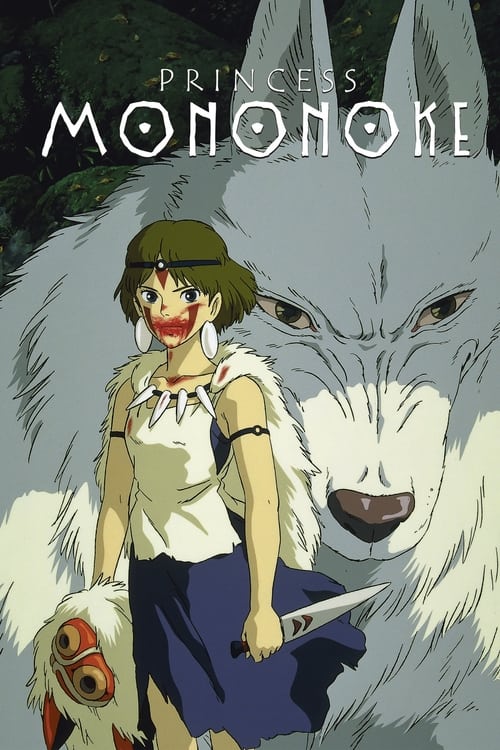
もののけ姫
"The fate of the world rests on the courage of one warrior."
Director: Hayao Miyazaki
Cast: Yoji Matsuda, Yuriko Ishida, Yuko Tanaka, Kaoru Kobayashi, Masahiko Nishimura
Princess Mononoke — Movie Quotes
Memorable Quotes
憎しみに身を委ねれば、そなたももののけになっちまうぞ。
Context
Ashitaka says this to a woman in Irontown who is filled with rage and a desire for revenge against San. He shows her his cursed arm as proof of what hatred does, trying to stop the cycle of violence.
Meaning
"If you give in to your hatred, you too will become a demon." This quote encapsulates one of the film's central themes: the corrupting and dehumanizing power of hatred. Ashitaka speaks from his own cursed experience, warning others of the path he is on.
生きろ…そなたは美しい。
Context
Ashitaka says this to San after she attacks him and holds a blade to his throat. Despite her hostility, he expresses his admiration for her, which deeply affects and confuses her, as she has never been shown such compassion by a human.
Meaning
"Live... You are beautiful." This is a pivotal moment in Ashitaka and San's relationship. Ashitaka sees past San's wild exterior and her hatred, recognizing the inherent beauty and value of her life. It is a simple, profound plea for life over death and hatred.
曇りなき眼で見定め、決める。
Context
Ashitaka says this to Lady Eboshi when she questions his motives for being in Irontown. It defines his role in the story as a mediator who seeks understanding rather than victory for one side.
Meaning
"To see with eyes unclouded by hate." This is Ashitaka's personal mantra and the philosophical core of the film. It represents the ideal of looking at a conflict from a neutral, empathetic perspective, understanding all sides without being swayed by prejudice or anger.
黙れ小僧!お前にサンが救えるか。
Context
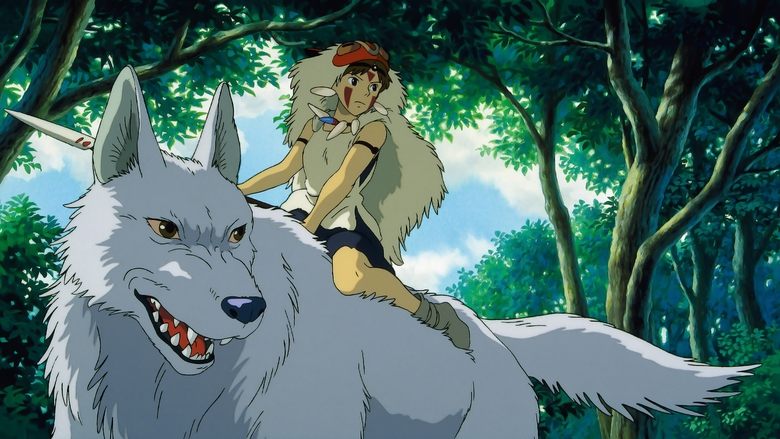
The wolf goddess Moro says this to Ashitaka when he pleads for her to release San. Moro explains that San is neither human nor wolf and has no place in either world, emphasizing the tragic nature of her existence.
Meaning
"Silence, boy! Can you save San?" Moro's question challenges Ashitaka's naive idealism. It highlights the depth of San's suffering and her seemingly irrevocable separation from the human world, questioning whether a peaceful resolution is truly possible.
Explore More About This Movie
Dive deeper into specific aspects of the movie with our detailed analysis pages