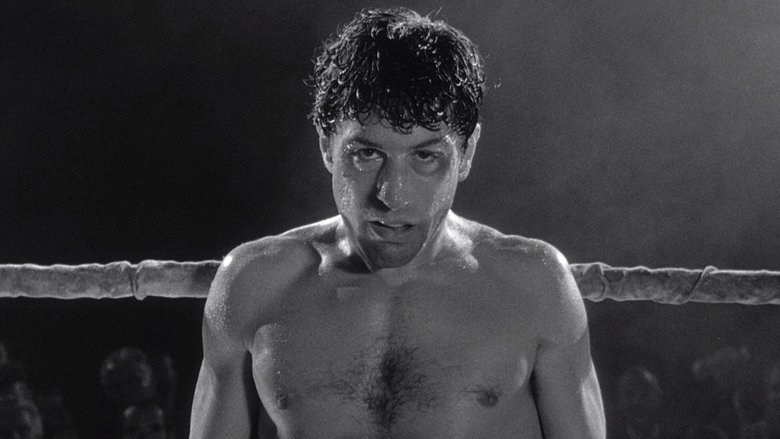
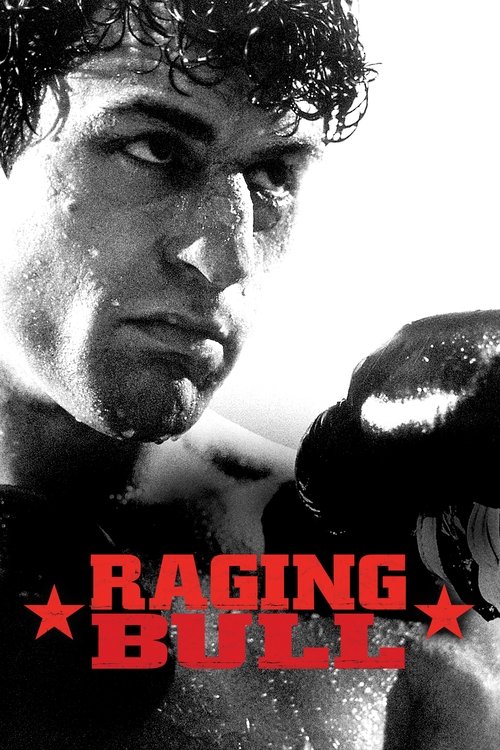
"Raging Bull" traces the complete arc of Jake LaMotta's rise and fall, culminating in his utter alienation. After winning the middleweight championship, his paranoia spirals out of control. Convinced his wife Vickie is having an affair with his brother Joey, he confronts Joey and beats him savagely in front of Joey's family, destroying their relationship forever. This is the film's central tragedy and the point of no return.
Jake's career subsequently collapses. He intentionally throws a fight as part of a deal with the mob, a decision that haunts him. He eventually loses his championship belt to Sugar Ray Robinson in a horrifically bloody match where he refuses to be knocked down, defiantly telling Robinson, "You never got me down." After retiring, Jake's weight balloons, and he opens a nightclub in Florida. His marriage to Vickie disintegrates, and she leaves him, taking their children. His downfall is cemented when he is arrested and jailed for serving alcohol to minors. It is in his squalid jail cell that he has a complete breakdown, pounding the stone walls and screaming, "I'm not an animal." This moment is his rock bottom, a raw confrontation with his own dehumanization.
The film's ending jumps forward to 1964. A heavy, older Jake is a small-time nightclub comic. In the final scene, he prepares backstage, looking at his own reflection in a mirror. He shadowboxes gently and then recites the famous "I coulda been a contender" speech from "On the Waterfront." The hidden meaning here is ambiguous. On one hand, it's a moment of profound self-realization, as he uses another character's words to finally articulate his own sense of loss and wasted life. On the other, the line itself is about blaming a brother for one's failures, suggesting he may not have fully accepted his own culpability. The film closes with a dedication from Scorsese to his film professor, who taught him to see, implying the film is a deeply personal expression of confronting one's own demons through art.