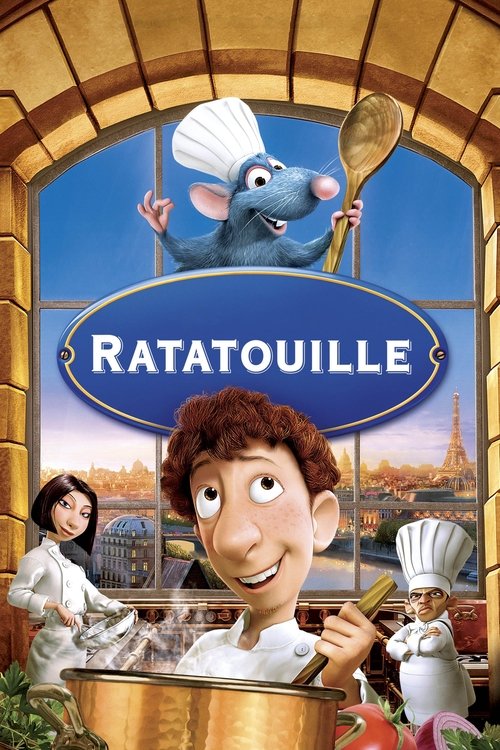
The plot of "Ratatouille" is driven by a series of revelations and twists. The first major reveal is that Linguini is, in fact, the illegitimate son of Auguste Gusteau, making him the rightful heir to the restaurant. This is discovered by Remy, who finds a letter from Linguini's mother. This development raises the stakes, as Skinner, who also discovers this information, plots to cheat Linguini out of his inheritance.
The climax of the film hinges on the revelation of Remy's role as the true chef to the kitchen staff. When Linguini is faced with the challenge of cooking for the formidable critic Anton Ego, he confesses the truth. Initially, the staff abandons him in disbelief and disgust. This moment of crisis forces Linguini to rely on Remy and his entire rat colony to run the kitchen. Colette's eventual return, inspired by Gusteau's motto "Anyone can cook," is a pivotal turning point.
The final and most significant spoiler is Anton Ego's reaction to the ratatouille and the subsequent discovery that a rat is the chef. The dish, a simple peasant meal, triggers a powerful, nostalgic memory from his childhood, completely disarming him. When he learns the truth, he does not react with disgust as expected. Instead, he writes a glowing, thoughtful review that champions Remy as the finest chef in France, even though he knows it will cost him his career. The restaurant is ultimately shut down by the health inspector, but this is presented as a necessary consequence. The ending reveals that Ego has invested in a new, smaller bistro called "La Ratatouille," where Remy is the chef, Linguini is the owner and waiter, and Ego is a regular, happy customer. This resolution beautifully ties together all the film's themes, showing that while they may have lost the prestigious restaurant, they have all found their true calling and a more authentic form of success.