The central twist of Rebecca is the revelation about the titular character's death. For most of the film, the audience, along with the protagonist, is led to believe that Maxim de Winter is still deeply in love with his deceased wife and mourns her tragic drowning. The climax shatters this illusion. After Rebecca's boat is found with her body inside, Maxim confesses to the second Mrs. de Winter that he never loved Rebecca; in fact, he hated her. He reveals their marriage was a sham and that Rebecca was a cruel, promiscuous, and manipulative woman who tormented him.
The biggest spoiler is the truth of her death. Maxim confesses that during a final confrontation in the boathouse where Rebecca taunted him by claiming she was pregnant with another man's child, he wanted to kill her. However, in the film version (a change from the novel due to the Hays Code), she falls, strikes her head, and dies accidentally. Fearing he would be accused of murder, Maxim put her body in her boat and scuttled it. This revelation reframes the entire film: Maxim's moodiness is not grief, but the torment of a man hiding a terrible secret.
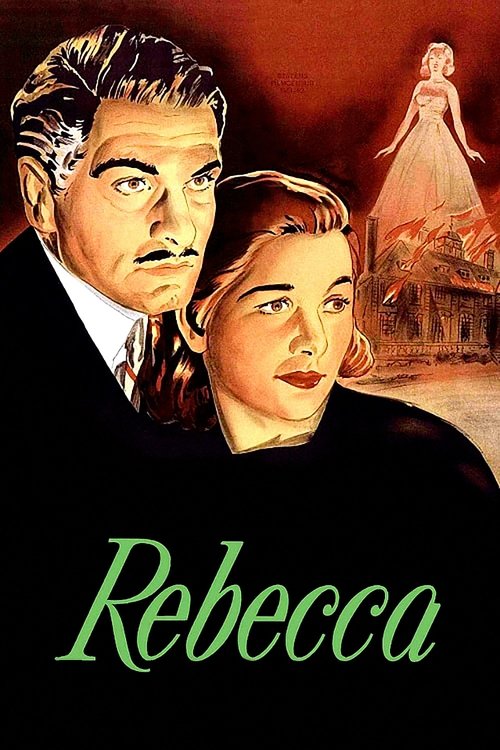
A further twist emerges during the investigation. Rebecca's cousin and lover, Jack Favell, attempts to blackmail Maxim. The investigation leads them to Rebecca's doctor in London, where they discover she was not pregnant but was terminally ill with cancer. This re-contextualizes her final actions: she likely lied about the pregnancy to manipulate Maxim into killing her, seeking a quick death rather than a slow, painful one. This revelation clears Maxim, as Rebecca's actions are interpreted as suicidal provocation. The final act of destruction comes from Mrs. Danvers who, upon learning the truth and realizing Rebecca's memory will be tarnished, burns Manderley to the ground, dying in the flames. The fire destroys the physical manifestation of the past, finally liberating the de Winters from Rebecca's shadow.