Skip to content
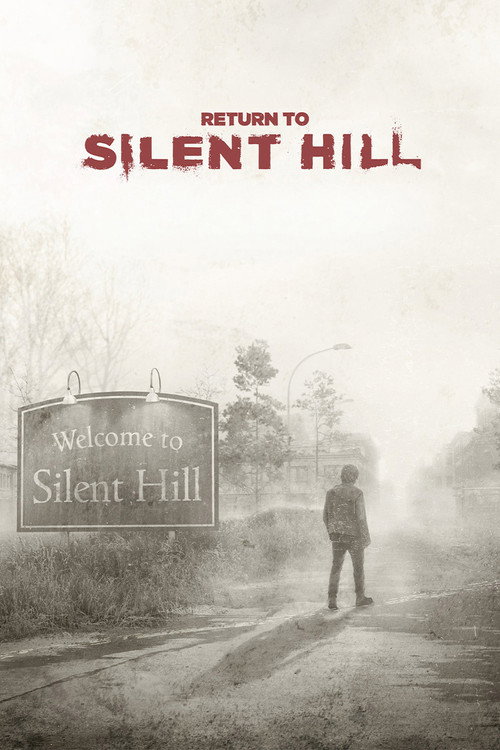
Return to Silent Hill
A descent into ash-laden psychological horror, drowning in the suffocating agony of repressed guilt, where the fractured human soul wanders a misty purgatory of weeping rust and inescapable damnation.
Return to Silent Hill

"Guilt is a place you can never leave."

21 January 2026 France 106 min 5.4 (781)

Director: Christophe Gans

Cast: Jeremy Irvine, Hannah Emily Anderson, Ljiljana Velimirov, Giulia Pelagatti, Evie Templeton

Mystery Horror Repressed Guilt and Self-Punishment The Agony of Grief and Denial Identity Splintering and Male Idealization Cyclical Trauma and Eternal Loops
Budget: $23,000,000
Box Office: $47,976,996

Return to Silent Hill — Ending Explained

⚠️ Spoiler Analysis

The narrative contains several major revelations and climactic twists:

  • The Truth About Mary: James did not receive a genuine letter from a living Mary; Mary died prior to his arrival. Gans' narrative reveals Mary fell severely ill due to physical decay tied to both illness and cult ritual trauma. Unable to endure her agony and his own emotional exhaustion, James committed a mercy killing by smothering her.
  • The Character Merging Twist: In a major departure from game lore, characters like Angela and Laura are revealed to be fragmented facets of Mary’s childhood and subconscious trauma projected into the town, while Maria is James’s idealized, guilt-free construct of her.
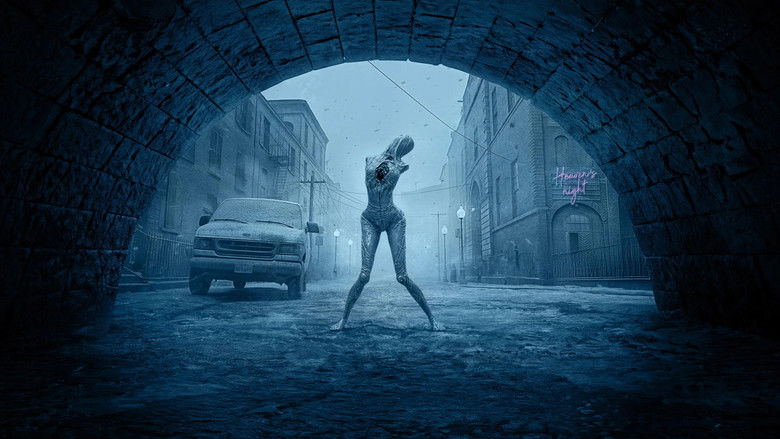
  • The Face of Pyramid Head: As James begins to accept his responsibility for Maria/Mary’s repeated deaths, he realizes the Red Pyramid is his own inner executioner, visually culminating in seeing his own reflection beneath the helmet.
  • The Ending: The climax amalgamates the "In Water" and cyclical loop concepts. After defeating the monstrous manifestation of Mary and expressing genuine remorse, James drives his car with Mary’s corpse into Toluca Lake. Rather than simple oblivion, the film snaps into a loop reset: James gasps awake back at the moment he first met Mary, doomed to relive the sequence of events.

Alternative Interpretations

The film invites multiple thematic interpretations:

  • The Psychological Purge: James is experiencing an intense psychological breakdown; the monsters, town, and doppelgängers are pure hallucinations triggered by intense guilt following his mercy killing of Mary.
  • The Supernatural Underworld / Cult Hex: The town's ancient deity and the dark history of the Crane family genuinely ensnare souls into a physical, demonic dimension, exploiting James’s fractured mental state.
  • The Eternal Loop Theory: The ending's cyclical framing suggests James is condemned to repeat his journey through Silent Hill eternally, continually waking up at the start of his relationship or arrival at the town without ever truly breaking free.

Explore More About This Movie

Dive deeper into specific aspects of the movie with our detailed analysis pages

Similar Movies