The film's ending is a relentless downward spiral. After the successful heist, César’s gift of a ring to the singer Viviane allows the rival Grutter gang to identify the thieves. The Grutters kidnap Jo's son, Tonio, to ransom the diamonds. Tony, adhering to his rigid code, discovers César's betrayal and, in the film's most haunting scene, executes him despite their friendship. Tony eventually tracks down the Grutter gang, kills them, and rescues the boy, but he is mortally wounded in the process. The final scene is a hallucinatory drive through Paris; Tony, dying behind the wheel, manages to deliver Tonio back to his mother just as he breathes his last. The 'perfect crime' ends with almost everyone dead, the money lost to the police, and only the survival of the innocent child offering a bittersweet, tragic resolution.
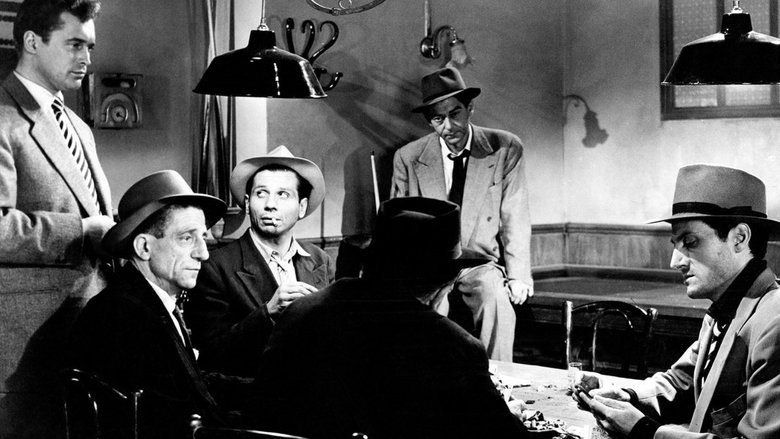
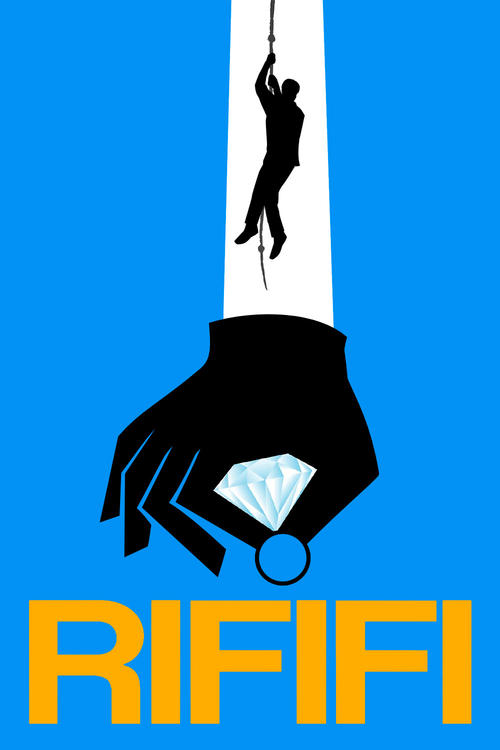
Du rififi chez les hommes
"...Means Trouble!"
Director: Jules Dassin
Cast: Jean Servais, Carl Möhner, Robert Manuel, Janine Darcey, Pierre Grasset
Rififi — Ending Explained
⚠️ Spoiler Analysis
Alternative Interpretations
Critics often read Rififi as a political allegory for the McCarthy-era witch hunts. In this reading, the heist represents the collective effort of blacklisted artists, and the betrayal by César (played by the director himself) represents those who 'named names' to save themselves. Another interpretation views the film as a subversion of the 'American Dream.' While American noirs of the era often suggested a way out, Rififi presents a world where the dream is dead upon arrival, and the only thing left is the dignity of one's professional craft. Some modern feminist critiques also focus on the film's misogyny, interpreting the brutal treatment of the female characters (like Mado) not just as noir realism, but as a reflection of the toxic, fragile masculinity that the film eventually punishes.
Explore More About This Movie
Dive deeper into specific aspects of the movie with our detailed analysis pages