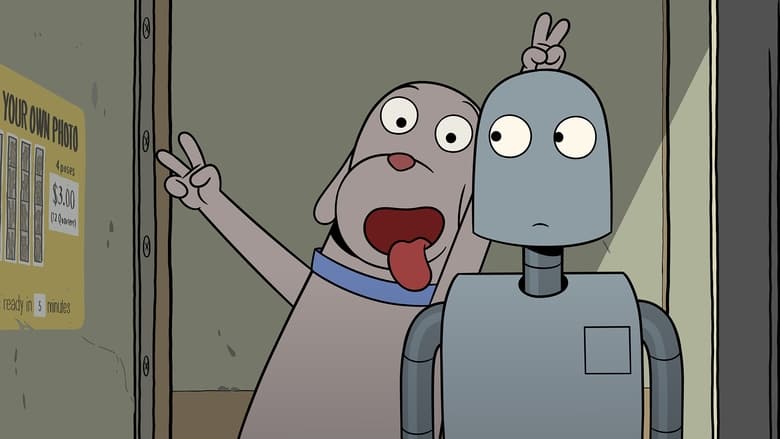
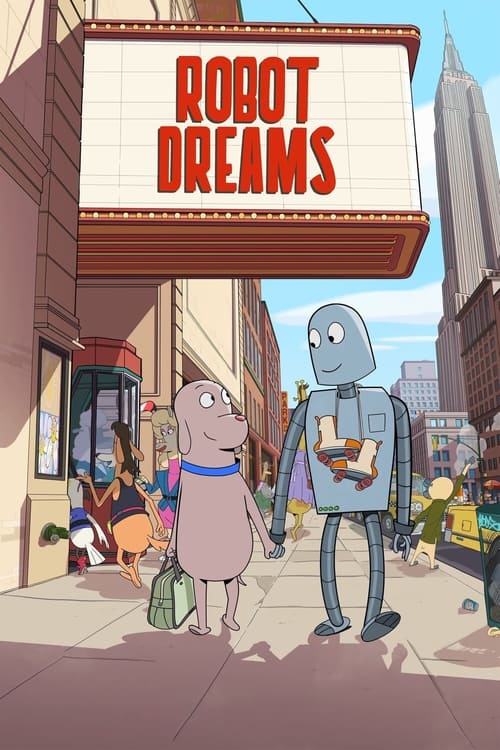
The central tragedy of "Robot Dreams" is that Dog and Robot never properly reunite. After Dog is forced to leave the rusted Robot on the beach, a year passes. During this time, Dog tries various ways to get back to the beach, including a failed attempt with bolt cutters that gets him arrested. He tries to form new friendships but finds them unfulfilling. Meanwhile, Robot endures the seasons on the beach, having vivid dreams of their reunion, some of which are cruelly subverted by reality—for instance, a group of rabbits use his leg to repair their boat and leave him.
Eventually, the beach reopens, but before Dog can get there, a scrap metal collector finds Robot and sells him to a junkyard. Dog arrives at an empty beach and, heartbroken, eventually decides to move on, buying a new robot companion, Tin. The original Robot is found at the junkyard by a raccoon, Rascal, who rebuilds him, turning his torso into a boombox. Robot and Rascal become close friends.
The climax occurs when Robot, from his new apartment rooftop, spots Dog walking on the street below with Tin. He fantasizes about running down and having a joyful reunion, but Rascal's appearance in the dream brings him back to reality. Realizing both he and Dog have found new, happy lives, Robot makes a profound choice. Instead of revealing himself, he turns on his boombox body and plays "September." Dog hears the music, looks up, and a bittersweet, unspoken moment of connection passes between them. Robot hides from view, allowing Dog to continue on with Tin. They dance to the song simultaneously but separately, a final, poignant acknowledgment of their bond and a mutual, silent farewell. The film ends with both characters happy in their new lives, forever cherishing the memory of their friendship.