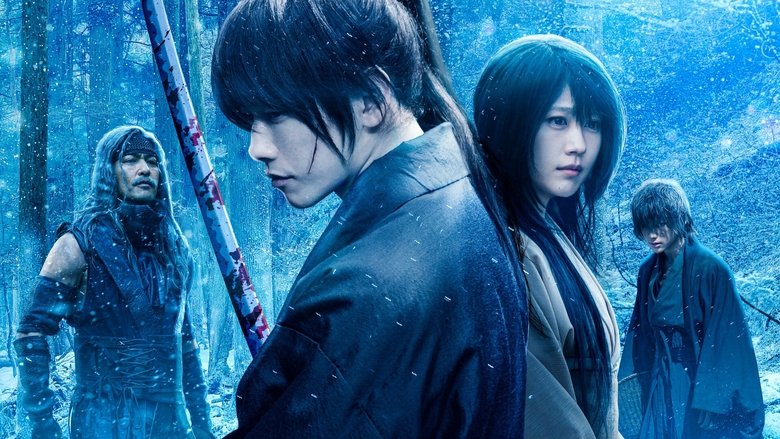
Rurouni Kenshin: The Beginning is steeped in tragic irony, relying heavily on dramatic tension where the audience knows the doomed fate of the characters. The most devastating twist is that Yukishiro Tomoe is the fiancée of Akira Kiyosato, the very man Kenshin brutally murdered in the opening scenes—and the man who gave Kenshin the first half of his cross-shaped scar.
Tomoe initially approaches Kenshin as a spy for the Yaminobu, a pro-shogunate faction intent on assassinating the Battosai. Her mission is to act as a honey trap, finding Kenshin's weakness so he can be killed. However, the profound twist lies in Tomoe's emotional betrayal of her own mission: as she lives with Kenshin in the countryside, she sees the vulnerable, broken boy beneath the monster and genuinely falls in love with him.
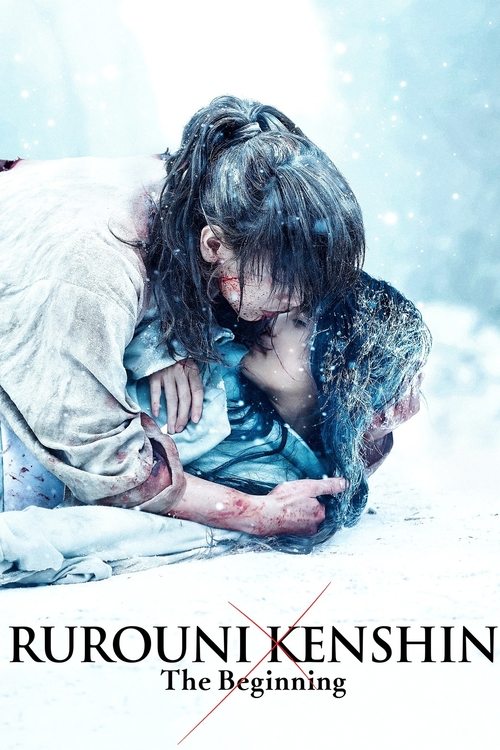
In the climax, realizing that the Yaminobu intend to use her to mentally break Kenshin and lower his guard, Tomoe attempts to sacrifice herself to save him. Blinded by rage, exhaustion, and sensory deprivation from the Yaminobu's traps, Kenshin strikes a fatal blow at the enemy leader, Tatsumi, tragically impaling Tomoe in the process as she steps in to protect Kenshin. As she dies in his arms, she takes her dagger and slashes across his cheek, completing the cross-shaped scar. This act is a profound release—forgiving him for his sins while simultaneously marking him forever. The film concludes with Kenshin leaving the burning remnants of his past behind, participating in the final battle of the Boshin War, and abandoning his sword in the snow to walk the path of a wandering pacifist.