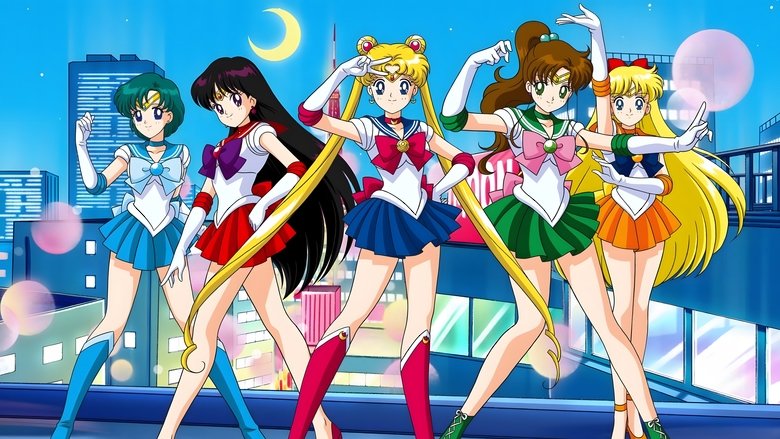
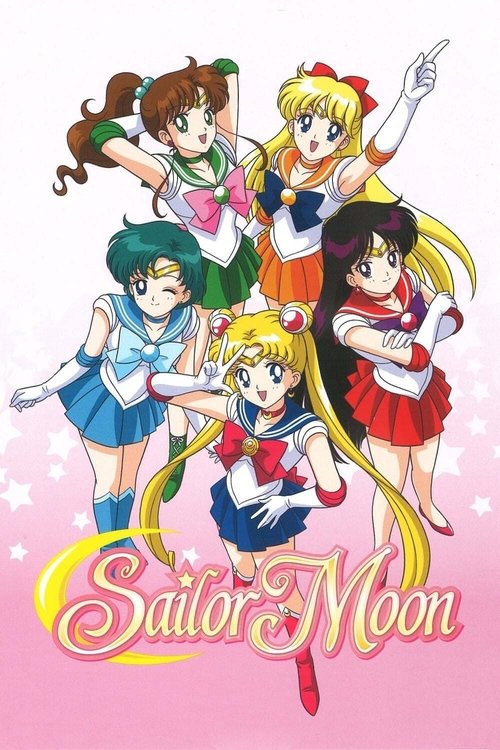
美少女戦士セーラームーン
"In the name of the Moon, I'll punish you!"
Cast: Kotono Mitsuishi, Aya Hisakawa, Michie Tomizawa, Emi Shinohara, Rica Fukami
Sailor Moon — Movie Quotes
Memorable Quotes
In the name of the Moon, I'll punish you!
Context
Spoken in almost every episode during her opening monologue before battling the monster of the week.
Meaning
The iconic catchphrase that asserts her authority. It transforms the celestial body (the Moon) into a symbol of justice and retribution against evil.
The future is something you create yourself.
Context
Often expressed during battles against villains who claim the world is doomed or determined by fate.
Meaning
A rejection of fatalism. It underscores the show's theme that while the past (Silver Millennium) sets the stage, the characters have the agency to write their own destiny.
I'd rather choose to fall in love and be hurt. Sometimes I can't even sleep because I love someone too much. And there's always sadness in our lives. It's that sad feeling that keeps us going.
Context
Spoken during the climactic battles (notably in the movie Promise of the Rose and similar TV moments) defending the value of a painful but real life.
Meaning
Validates emotional pain as a necessary part of the human experience. It rejects the villain's promise of a painless, stagnant eternity.
Enduring the pain while waiting for the one you love... that is also a form of love.
Context
Reflects Pluto's lonely vigil guarding the Door of Time and Space, forbidden from ever leaving her post.
Meaning
Highlights the mature, often tragic nature of love represented by the Outer Guardians, contrasting with the younger girls' romantic ideals.
Explore More About This Movie
Dive deeper into specific aspects of the movie with our detailed analysis pages