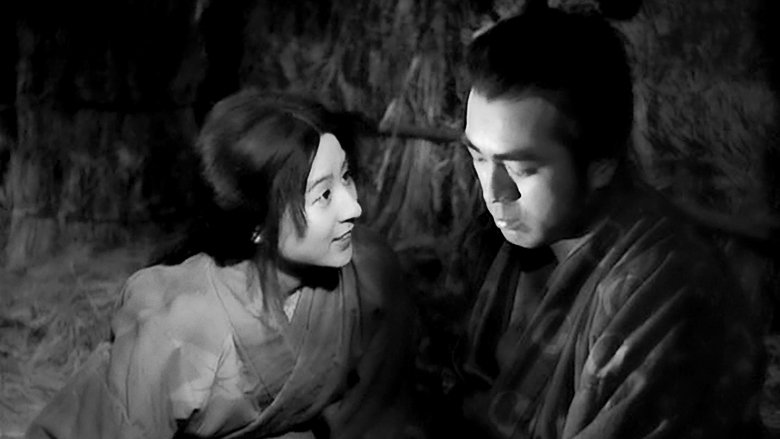
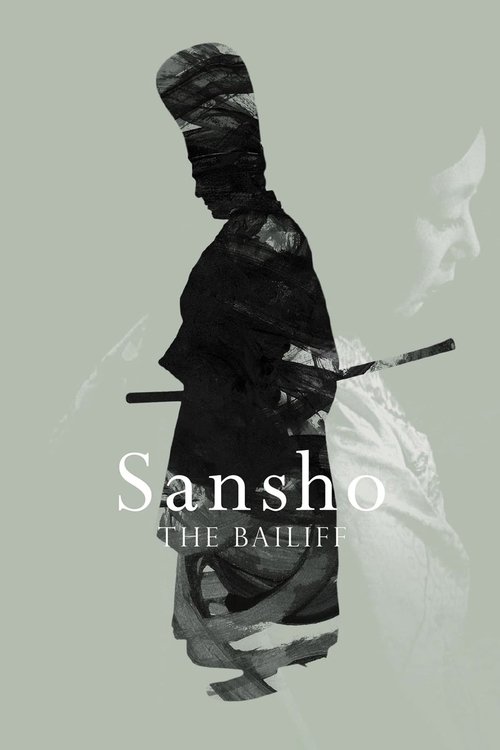
The plot of "Sansho the Bailiff" follows the tragic trajectory of a family destroyed by feudal injustice. After their compassionate father is exiled, Zushiō and Anju are sold into slavery under the brutal Sansho. Their mother, Tamaki, is sold into prostitution on Sado Island. For ten years, the siblings endure hardship. Zushiō, in his despair, becomes a cruel overseer, even branding a fellow slave. The turning point comes when a new slave sings a song composed by their mother, reigniting their hope.
Anju convinces Zushiō to escape to seek help. To prevent herself from being tortured into revealing his location, Anju commits suicide by walking into a lake. Her sacrifice is the catalyst for Zushiō's redemption. He successfully reaches Kyoto and appeals to the chief advisor. In a turn of fate, he is appointed the new governor of the very province where Sansho's estate is located. His first act is to issue an edict banning slavery. He arrests Sansho and his men, frees the slaves, and learns of Anju's death. The freed slaves burn the manor to the ground. Zushiō then resigns his post and travels to Sado Island to find his mother. The film culminates in their reunion on a desolate beach. Tamaki is now old, crippled, and blind from years of weeping. She initially doesn't recognize her son, but knows him when he produces the Kannon statuette their father gave him. He apologizes for not returning in his governor's splendor, and she reassures him that he has honored his father's teachings of mercy. The hidden meaning is that true honor lies not in status or power, but in compassionate action, even if it leads to personal loss and a life of renunciation.