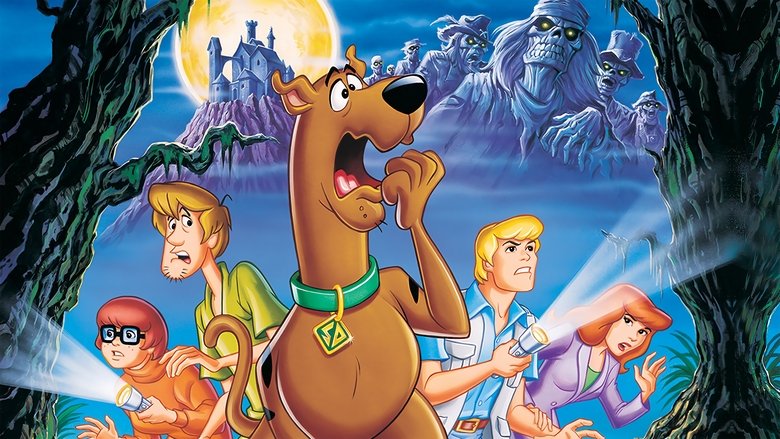
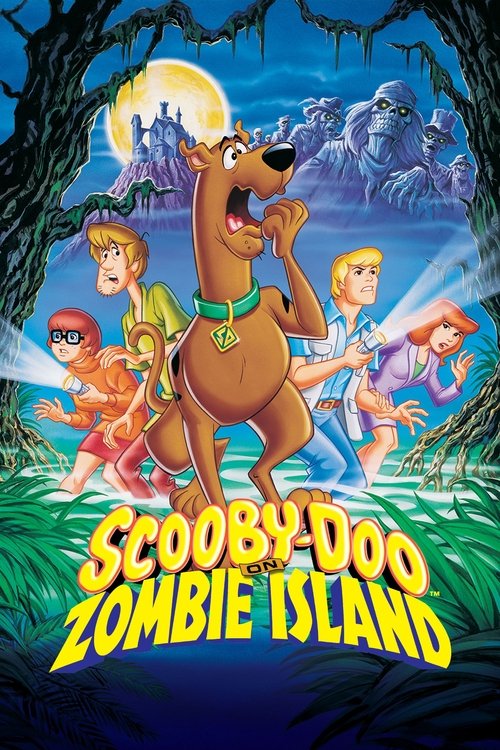
Scooby-Doo on Zombie Island
An atmospheric Southern Gothic mystery where childhood nostalgia meets genuine terror, shattering the safety of a classic formula by plunging beloved characters into a dark, shadowy bayou where the monsters are terrifyingly real.
Scooby-Doo on Zombie Island

"This time, the monsters are real!"

22 September 1998 United States of America 77 min ⭐ 7.7 (827)
Director: Jim Stenstrum
Cast: Scott Innes, Billy West, Mary Kay Bergman, Frank Welker, B.J. Ward
Animation Family Mystery Horror
Subversion of Expectations and the Loss of Innocence Skepticism vs. Belief The Corrupting Power of Vengeance Misjudging Appearances

Scooby-Doo on Zombie Island - Ending Explained

⚠️ Spoiler Analysis

The film masterfully executes a double twist. The first twist subverts the franchise formula: the zombies are real, physical walking corpses. However, the second, more crucial twist subverts the horror tropes: the terrifying zombies are actually the "good guys". They are the reanimated corpses of previous victims trying to warn the gang to leave the island.

The true villains are revealed to be the charming hosts, Simone Lenoir, Lena Dupree, and the ferryman Jacques. They are immortal werecats who must drain the life force of victims every harvest moon to sustain their immortality. In the climax, Shaggy and Scooby accidentally disrupt the voodoo draining ritual. The gang stalls the villains until the harvest moon passes its peak, causing the curse to backfire and reducing the werecats to dust, thereby allowing the tormented souls of the zombies to finally rest in peace.

Alternative Interpretations

One prevalent alternative interpretation revolves around the morality of Simone and Lena. Some fans and critics argue that the werecats are not purely evil, but rather tragic victims of circumstance. Originally, they only invoked their cat god to save themselves from being slaughtered by Morgan Moonscar's pirates. Their initial act of vengeance is understandable; it was the unforeseen curse of immortality that forced them into becoming mass murderers to survive. This raises the question of whether they were inherently evil, or simply corrupted by a dark magic they couldn't comprehend.

Another interpretation views the entire film as a meta-commentary on media consumption and artistic stagnation. The gang's weariness at the beginning of the film mirrors the audience's fatigue with the repetitive 1970s and 1980s cartoon formulas. Fred's violent denial when the zombie's head comes off can be seen as the studio or the purist fans refusing to accept that the medium must evolve and embrace real stakes to remain relevant.