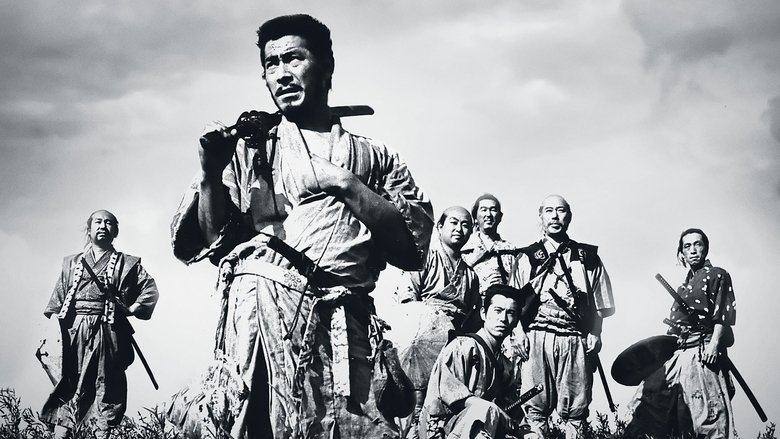
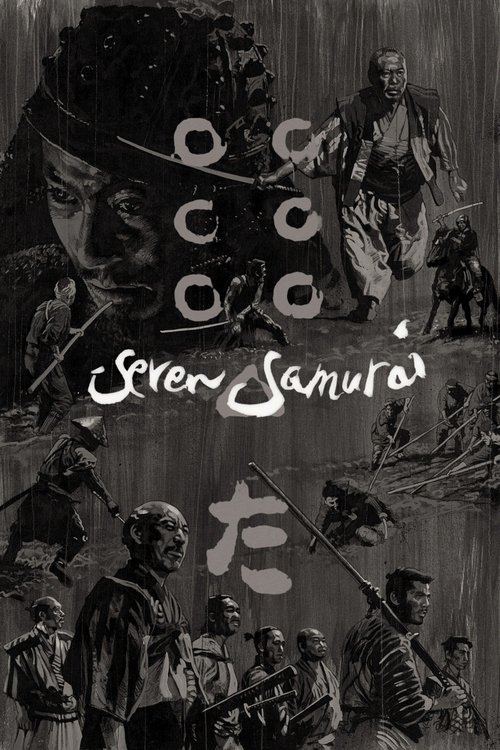
The plot of "Seven Samurai" follows a clear and compelling arc of recruitment, preparation, and battle. The first part of the film is dedicated to the gathering of the seven samurai, each introduced with their own distinct personality and skills. The second part focuses on the samurai integrating with the villagers, training them, and fortifying their defenses. This section is crucial for building the relationships between the characters and establishing the stakes of the conflict.
The final third of the film is a series of escalating battles with the bandits. A key turning point is when the bandits, who possess muskets, manage to kill some of the samurai, demonstrating that the traditional skills of the samurai are vulnerable to modern weaponry—a symbolic representation of the changing times. In the final, rain-drenched battle, the bandits are lured into the village and defeated, but not without significant losses. Kyūzō, the master swordsman, is unceremoniously shot and killed. Kikuchiyo, in a final act of bravery, kills the bandit leader but is also fatally wounded. His death solidifies his transformation from a peasant impostor to a true samurai.
The ending is what elevates "Seven Samurai" from a great action film to a masterpiece. With the bandits vanquished, the surviving three samurai—Kambei, Shichirōji, and Katsushirō—stand before the graves of their fallen comrades. They watch as the villagers joyfully sing and plant their next rice crop. The samurai are separate, their purpose served. Kambei's final line, "Again we are defeated. The farmers have won. Not us," encapsulates the film's core theme. The samurai are a relic of a bygone era, their victory a Pyrrhic one. The farmers, connected to the land, are the ones who will endure. The love story between Katsushirō and the village girl, Shino, also ends with the reassertion of class boundaries as she rejoins her people, leaving him behind.