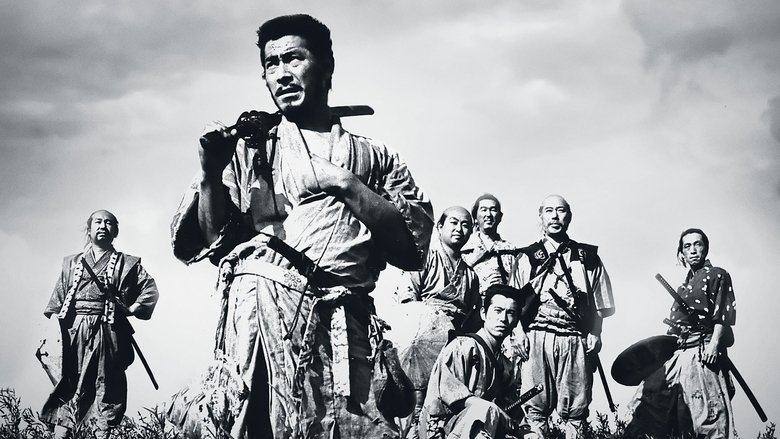
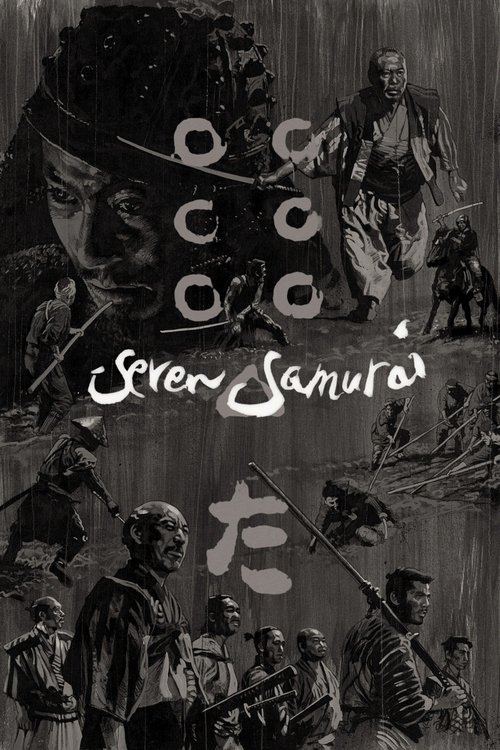
七人の侍
"Unmatched for suspense and spectacle!"
Director: Akira Kurosawa
Cast: Toshirō Mifune, Takashi Shimura, Yoshio Inaba, Seiji Miyaguchi, Minoru Chiaki
Seven Samurai — Movie Quotes
Memorable Quotes
百姓ほど寝ても覚めても心配ばかりしている生き物はねえ。雨が降れば降りすぎると心配し、照れば水がなくなると心配し…
Context
Spoken by Manzō, the father of Shino, as he expresses the deep-seated fear and pessimism that permeate the village due to the constant threat of the bandits.
Meaning
"All farmers ever do is worry, whether the rain falls, the sun shines or the wind blows. In short, all they know is fear." This quote encapsulates the perpetual anxiety and hardship of the farmers' lives, constantly at the mercy of nature and human threats.
また負け戦だったな。…勝ったのはあの百姓たちだ。わしらではない。
Context
Kambei says this to the other surviving samurai as they watch the joyful villagers planting rice after the final battle. It is a moment of quiet realization about their place in the world.
Meaning
"So. Again we are defeated. The farmers have won. Not us." This final line of the film offers a profound and bittersweet reflection on the nature of victory. While the samurai have successfully defended the village, they are ultimately outsiders whose way of life is fading. The true victors are the farmers, who are rooted in the land and will endure.
腹のへった侍を探すんだ。熊だって腹がへりゃ山から下りてくらあ。
Context
The village elder gives this counsel to the farmers who are about to embark on their quest to hire samurai for protection.
Meaning
"Find hungry samurai. Even bears come down from the mountains when they're hungry." This pragmatic advice from the village elder sets the plot in motion. It reflects the desperate circumstances of both the villagers and the ronin in this era.
こいつを見てくれ!こいつは俺だ!俺はこいつなんだ!
Context
Kikuchiyo cries this out while holding a baby, overwhelmed with emotion as he explains his deep-seated anger and empathy for the plight of the farmers.
Meaning
"This baby... It's me... It's what happened to me!" This emotional outburst from Kikuchiyo reveals his true origins as a farmer's son whose family was killed by samurai. It is a pivotal moment that bridges the gap between the samurai and the villagers, as it exposes the hypocrisy and cruelty that has shaped their world.
Explore More About This Movie
Dive deeper into specific aspects of the movie with our detailed analysis pages