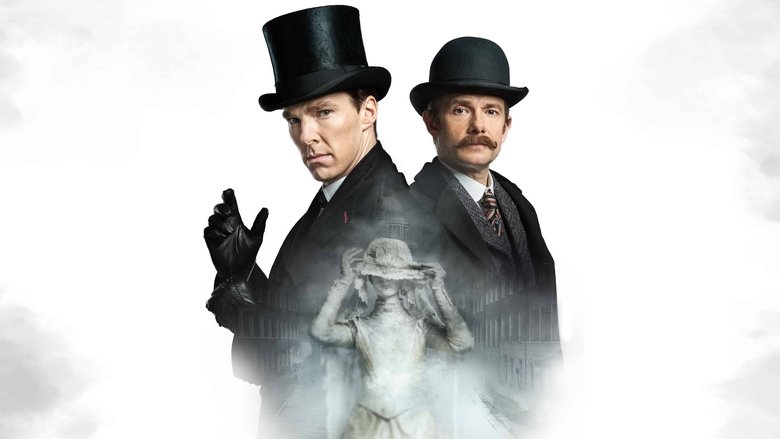
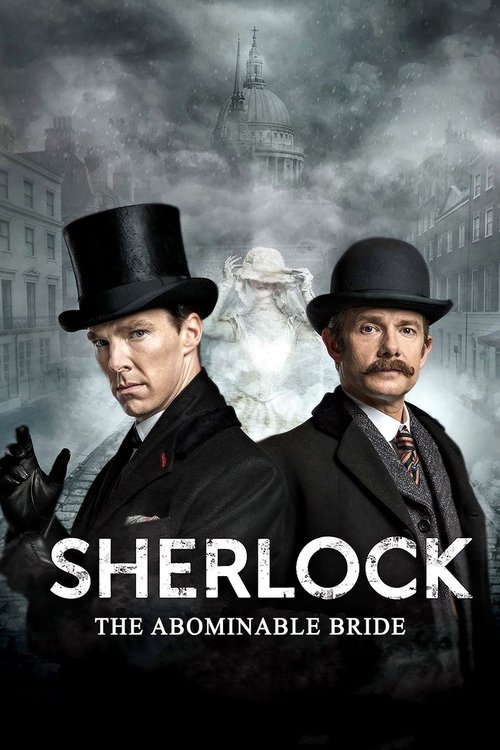
The central twist of "The Abominable Bride" is that the entire 1895 Victorian narrative is a drug-induced hallucination taking place inside Sherlock Holmes's "Mind Palace." This is not an alternate reality or a simple flashback; it is a mental simulation created by modern-day Sherlock moments after his exile at the end of Season 3. High on a dangerous cocktail of drugs, he retreats into his mind to solve an unsolved 19th-century case about a bride who seemingly returns from the dead to commit murder. Sherlock believes that by solving this old paradox, he can understand how his nemesis, Jim Moriarty, could have reappeared all over England after publicly committing suicide.
The solution to the Victorian mystery is that Emelia Ricoletti did not come back from the dead. She was part of a secret feminist society, a group of disenfranchised women fighting back against their male oppressors. Ricoletti, who was already dying of consumption, faked her public suicide with the help of accomplices, then murdered her abusive husband. Afterwards, her collaborators killed her as she had requested and swapped her body into the morgue for official identification. The legend of the avenging "ghost bride" was then used by the society as a cover to murder other abusive men.
By solving this, Sherlock concludes that Moriarty is, like Ricoletti, truly and physically dead. His dramatic "return" is not a resurrection but a posthumous plan being executed by his vast network of followers. The entire mental exercise allows Sherlock to reach this critical conclusion. The film ends with Sherlock, back in the present, awake and on the plane, confidently stating that while Moriarty is dead, he now knows what his enemy has planned.