The central conflict of "Singin' in the Rain" is resolved in a moment of public revelation. After the premiere of the revamped musical film, "The Dancing Cavalier," the audience is thrilled. However, they clamor for the star, Lina Lamont, to sing live. Panicked, R.F. Simpson, Don, and Cosmo convince a reluctant Kathy to sing from behind the curtain while Lina lip-syncs on stage. The ruse works perfectly until Don, Cosmo, and R.F., fed up with Lina's threats to ruin Kathy's career, decide to expose the truth. They dramatically raise the curtain mid-performance, revealing Kathy singing into a microphone as a stunned Lina mouths the words.
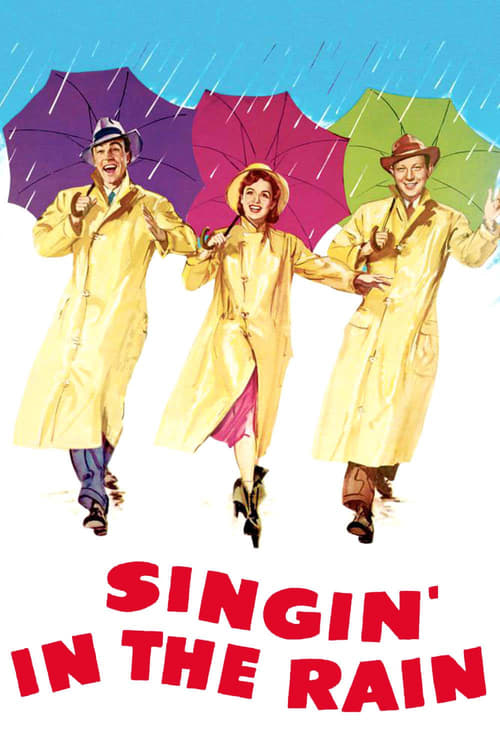
This climax shatters the Hollywood illusion the film has meticulously built and satirized. Lina, the symbol of manufactured stardom, is publicly humiliated and her career is effectively over. Kathy, who represents genuine talent, is thrust into the spotlight. In a final act of love and professional respect, Don proudly introduces her to the audience as "the real star of the picture." This ending provides a deeply satisfying resolution where authenticity triumphs over deceit. The hidden meaning, clear upon viewing, is that the 'magic' of Hollywood is often a collaborative and sometimes deceptive effort, but true talent is the essential ingredient that cannot be faked forever. The final shot of a billboard for a new film titled "Singin' in the Rain," starring Don Lockwood and Kathy Selden, cements their romantic and professional partnership, bringing the film's title full circle and promising a bright future for the new, authentic stars of the talkie era.