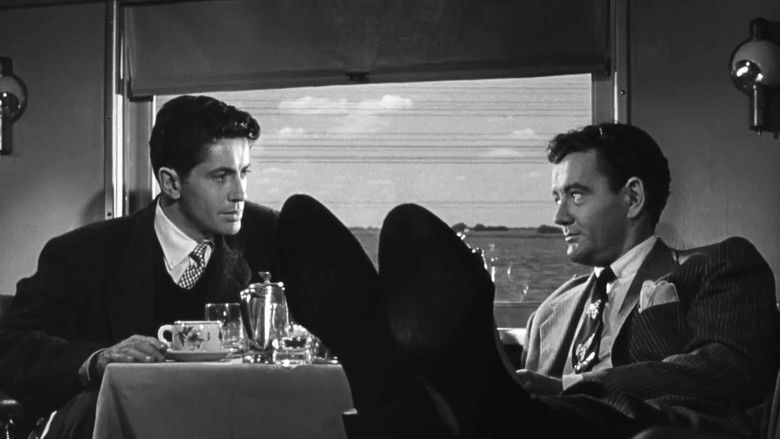
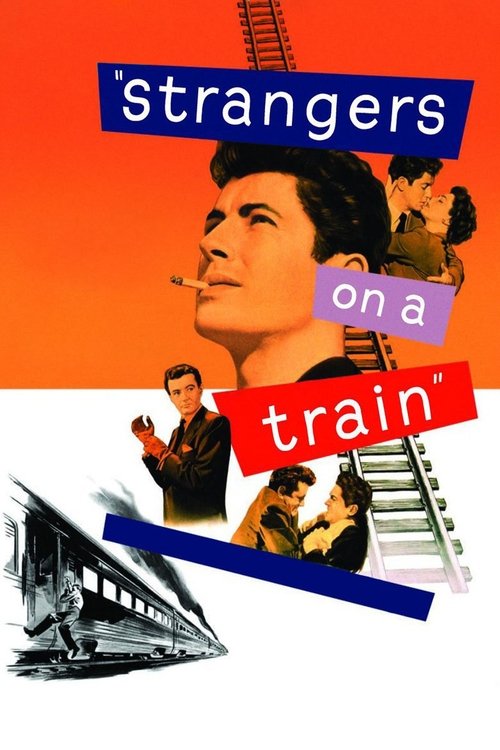
The film's intricate plot hinges on a series of breathtaking escalations. After Bruno successfully strangles Guy's wife, Miriam, at the carnival—shot brilliantly through the distorted reflection of her fallen glasses—he demands Guy fulfill his end of the bargain by killing Bruno's father. When Guy refuses, sneaking into Bruno's house only to warn the father (who turns out to be Bruno waiting in the dark), Bruno decides to frame Guy. He plans to plant Guy's distinctive monogrammed lighter at the scene of Miriam's murder. This sets up the film's legendary dual climax: Hitchcock cross-cuts between Guy desperately trying to win a tennis match as quickly as possible to intercept the killer, and Bruno accidentally dropping the lighter down a storm drain, agonizingly reaching through the grate to retrieve it.
The final confrontation occurs back at the carnival. When the police arrive, they mistakenly shoot the carousel operator, sending the ride spinning wildly out of control. Guy and Bruno engage in a brutal, life-or-death struggle amidst the screaming children and pounding mechanical horses. The chaotic ride eventually collapses, mortally wounding Bruno. Even in his dying breath, Bruno attempts to lie and frame Guy, but as his hand goes limp, it opens to reveal Guy's lighter. The physical evidence clears Guy's name, cementing the film's theme that the truth will literally slip through the fingers of the wicked. The film ends with Guy and Anne on another train, pointedly walking away when a stranger attempts to strike up a conversation.