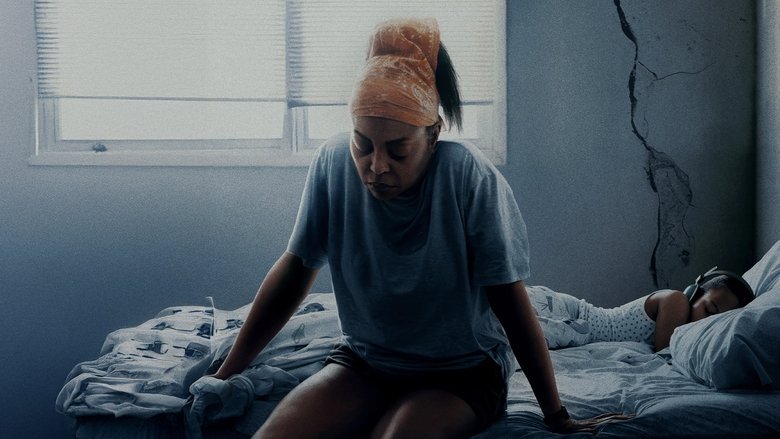
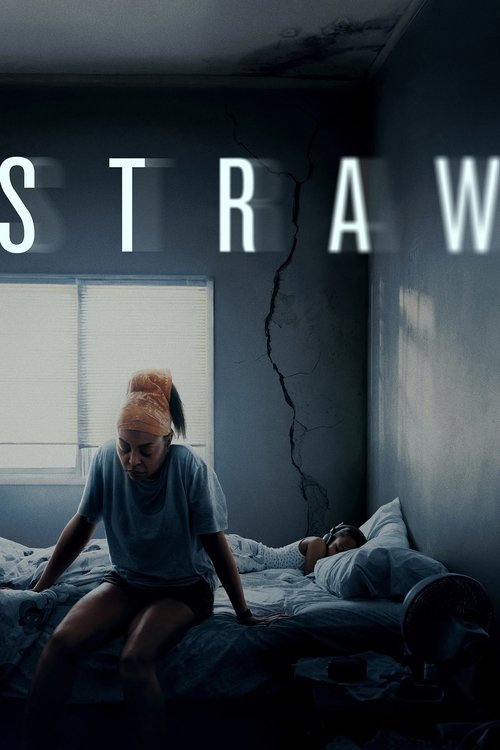
The central, game-changing twist of "STRAW" is the revelation that Janiyah's daughter, Aria, is not sick at home but has, in fact, already died. In the film's climax, during a phone call with her mother, Janiyah is told that Aria passed away the previous evening. This disclosure reframes the entire film: Janiyah is not a mother trying to save her sick child, but a woman suffering from a complete, grief-induced psychotic break.
Her actions throughout her 'terrible, horrible, no good, very bad day' are recontextualized as the delusional wanderings of a mind shattered by loss. The need to cash the check for her daughter's school lunch money was not a present-day urgency but a manifestation of her inability to accept Aria's death. The bank robbery was not a conscious act but the tragic endpoint of her psychological unraveling. This twist transforms the narrative from a social thriller into a profound tragedy about mental health and a mother's devastating grief. The ending sequence presents two possibilities: one where she is shot and killed by police, and another where she is peacefully led away. The film settles on the more hopeful outcome, but the ambiguity serves to underscore the fragility of her fate.