Skip to content
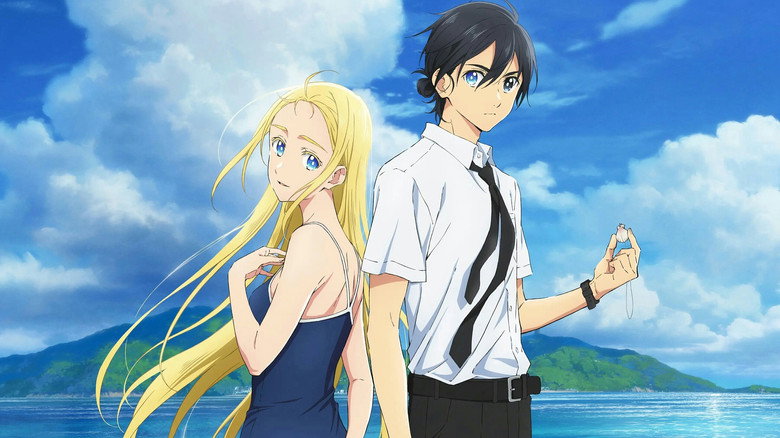
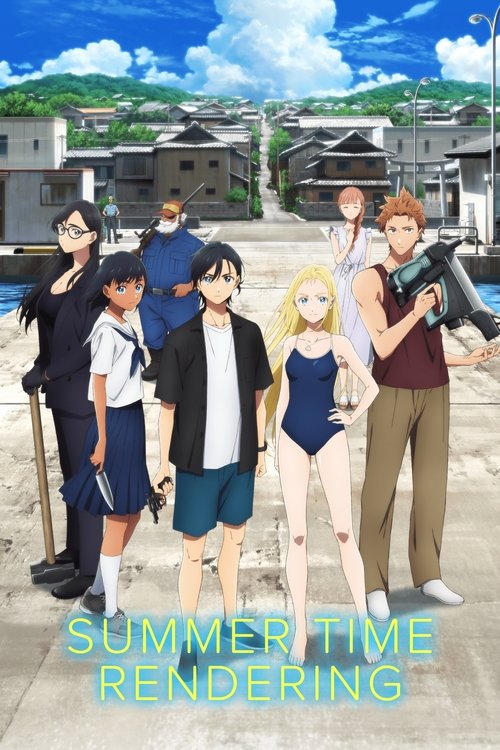
Summer Time Rendering
Under the blinding glare of an idyllic island sun, grief curdles into suffocating paranoia as time unravels like a rewound tape, trapping desperate hearts in an inescapable labyrinth of mimicry, blood, and salt water.
Summer Time Rendering

サマータイムレンダ

15 April 2022 — 30 September 2022 Japan 1 season 25 episode Ended 8.1 (194)

Cast: Natsuki Hanae, Anna Nagase, Saho Shirasu, Yoko Hikasa, Jin Urayama

Drama Animation Mystery Mortality, Impermanence & the Burden of Time Loops Identity, Doppelgängers & the "Soul" vs. Data Duplication Grief, Acceptance & Letting Go of Loved Ones Collective Trust vs. Paranoia and Isolation Folklore, Local Heritage & the Distorting Corruption of Myth

Summer Time Rendering — Ending Explained

⚠️ Spoiler Analysis

The narrative progresses across three distinct structural phases:

  • Loop 1-5: Mystery & Paranoia: Shinpei attempts to understand the rules of his death reset while Hitogashima is quietly infiltrated by doppelgängers.
  • Loop 6-9: Tactical War & Shadow Infiltration: Shinpei forms an alliance with Hizuru, Nezu, and Sou, engaging in tactical combat against the Shadow hierarchy.
  • Loop 10 / Tokoyo: Cosmic Reset: The final metaphysical confrontation in the realm of timeless void.

The overarching antagonist is revealed to be Masahito Karikiri, the island’s priest, who is actually Hishigata Shidehiko (Shide)—a 300-year-old human who had children with the original Shadow goddess Haine and cloned himself repeatedly across generations. Unlike Haine, who seeks sustenance and peace, Shide wants to access the higher-dimensional power of Tokoyo to wipe out all life and collapse time itself, purely to see what lies at the end of the universe.

In the timeless void, Shinpei and Shadow Ushio use Haine’s eye to erase Shide. Ushio then renders a message back through time (recording the voice message from episode 1) and removes the extraterrestrial entity from Japanese shores in the 1700s before fading away.

Shinpei wakes up on the ferry on July 22nd in a timeline where Shadows never existed. Ushio is alive, Hizuru’s brother is alive, and the islanders live peaceful lives. During the summer festival, Shinpei and Ushio recover their emotional memories of the loops, fulfilling the promise to "find each other".

Alternative Interpretations

The series can be analyzed through several distinct interpretive lenses:

  • Literal Sci-Fi/Cosmic Horror Interpretation: The events are driven entirely by the arrival of an alien, trans-dimensional organism (Hiruko) in Edo-period Japan that operates according to biological rendering and temporal physics.
  • Psychological & Allegorical Reading of Grief: The entire Shadow crisis functions as an allegory for the stages of mourning. Shinpei’s loops reflect the obsessive desire of the bereaved to "rewind the clock" and prevent a loved one’s death, with the final timeline representing emotional acceptance and moving forward.
  • Existential Humanism vs. Nihilistic Omnipotence: Shide represents the extreme nihilism of an immortal who has experienced everything and desires total annihilation as the ultimate entertainment, contrasted with Shinpei and Ushio’s defense of fleeting, everyday mortal moments.

Explore More About This Movie

Dive deeper into specific aspects of the movie with our detailed analysis pages

Similar Movies