"Sunset Boulevard" is a cynical and critical examination of the Hollywood dream machine, exposing its cruelty and the ephemeral nature of fame. Director Billy Wilder explores the dark side of celebrity, suggesting that the pursuit of stardom can lead to self-destruction and a painful disconnect from reality. The film serves as a cautionary tale about the corrosive effects of nostalgia and the refusal to accept the passage of time, themes embodied by the tragic figure of Norma Desmond. It critiques a system that builds up idols only to discard them when they are no longer young and beautiful.
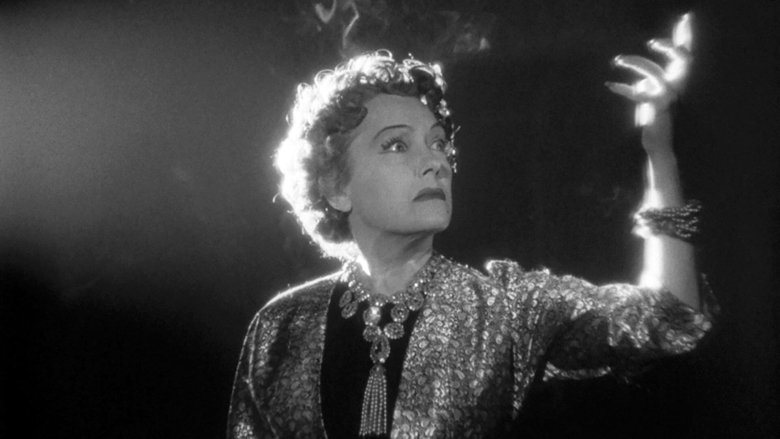
A haunting film noir descent into madness, where the ghosts of Hollywood's golden age cling to the decaying glamour of the past, illuminated by the harsh light of a cynical present.

Sunset Boulevard
"A Hollywood Story."
10 August 1950
United States of America
110 min
8.3
(2,757)
Director: Billy Wilder
Cast: William Holden, Gloria Swanson, Erich von Stroheim, Nancy Olson, Fred Clark
Drama
The Cruelty of Hollywood
Delusion and Fantasy vs. Reality
Obsession and a Corrupted American Dream
Manipulation and Power Dynamics
Budget:
$1,752,000
Box Office:
$5,000,000
Sunset Boulevard — Symbolism & Philosophy
Symbols & Motifs
Norma's Mansion
Meaning:
The decaying, grandiose mansion symbolizes Norma Desmond's inner state: a crumbling relic of a bygone era, filled with memories of past glory but isolated from the present world. It represents the decaying state of silent film fame and Norma's fierce attachment to the past.
Context:
The mansion is the primary setting of the film. Its dark, dusty interiors and gothic atmosphere create a sense of claustrophobia and decay, mirroring Norma's psychological state.
The Swimming Pool
Meaning:
The swimming pool is a symbol of Hollywood success and the glamorous lifestyle that Joe Gillis desires. His death in the pool is ironic, as he finally achieves this symbol of success, but at the cost of his life.
Context:
The film opens and closes with the image of Joe's body floating in the pool. It is a constant presence at the mansion, representing the dream that ultimately consumes him.
Mirrors and Photographs
Meaning:
The numerous mirrors and photographs of Norma in her mansion symbolize her narcissism and obsession with her own image and past. They reflect her inability to see herself as she is and her constant need to relive her glory days.
Context:
Throughout the film, Norma is often seen gazing at her own reflection or surrounded by portraits from her youth. This visual motif emphasizes her self-absorption and disconnection from reality.
Joe's Car
Meaning:
Joe's car represents his independence and his connection to the outside world. Losing his car is what leads him to Norma's mansion, and his inability to leave symbolizes his entrapment.
Context:
The film begins with Joe fleeing from repo men trying to take his car. His desperation to keep it highlights his desire for freedom, which he ultimately sacrifices.
The Dead Chimpanzee
Meaning:
The elaborate funeral for Norma's pet chimpanzee at the beginning of Joe's stay symbolizes Norma's excessive wealth and her profound loneliness. It also foreshadows Joe's own fate as another of Norma's 'pets' who will meet a tragic end.
Context:
When Joe first enters the mansion, he is mistaken for the undertaker for the chimpanzee. This strange and somber event sets the tone for the bizarre and ultimately tragic world he has entered.
Philosophical Questions
What is the true cost of fame and the pursuit of the American Dream?
The film explores this question through the characters of Norma and Joe. Norma's story suggests that fame can be a destructive force, leading to a loss of identity and a crippling inability to live in the present. Joe's journey illustrates how the desire for success can lead to moral decay and ultimately, self-destruction. The film posits that the Hollywood version of the American Dream is an illusion that often demands a high, and sometimes fatal, price.
At what point does nostalgia become a destructive force?
Norma Desmond's character is a powerful exploration of this question. Her obsession with her past prevents her from adapting to the present, trapping her in a cycle of delusion and despair. The film suggests that while memory and past achievements can be a source of pride, an inability to move forward can lead to a tragic disconnect from reality.
Is it more compassionate to protect someone with a comforting lie or to confront them with a painful truth?
This is explored through the character of Max, who believes he is protecting Norma by maintaining her delusions. Joe initially plays along for his own benefit but eventually tries to force Norma to face the truth. The film's tragic ending leaves the question open, suggesting that in extreme cases, both paths can lead to destruction, and that perhaps there are no easy answers when dealing with profound self-deception.
Core Meaning
Explore More About This Movie
Dive deeper into specific aspects of the movie with our detailed analysis pages