Skip to content
S.W.A.T.
A sun-scorched, adrenaline-fueled urban action drama that pulses with high-caliber tension, balancing the weight of civic duty and community identity through the lens of tactical shields, flashing sirens, and unwavering brotherhood.
S.W.A.T.

S.W.A.T.

"Serve • Protect • Unite"

02 November 2017 — 16 May 2025 United States of America 8 season 163 episode Canceled 8.0 (1,594)

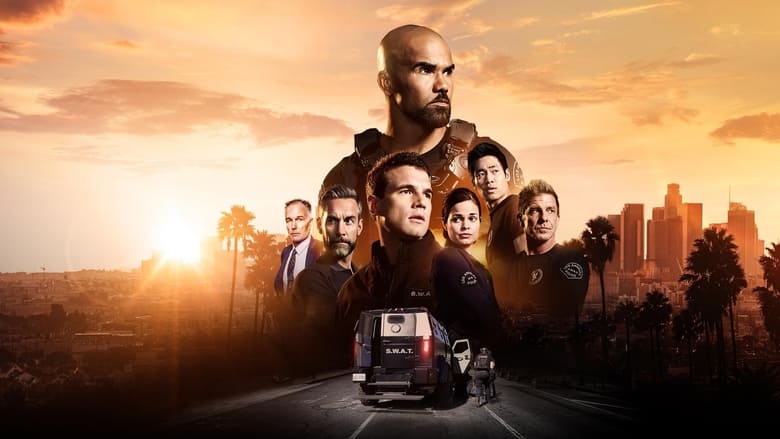
Cast: Shemar Moore, Jay Harrington, David Lim, Patrick St. Esprit, Kenny Johnson

Drama Crime Action & Adventure Dual Identity: Bridging Law Enforcement & Community Brotherhood, Loyalty, and Tactical Family (Twenty Squad) Systemic Accountability and Police Reform The Mental and Emotional Toll of High-Risk Service Mentorship, Legacy, and Passing the Shield

Overview

Developed by Aaron Rahsaan Thomas and Shawn Ryan, S.W.A.T. (2017) reimagines the classic 1975 television series and 2003 feature film into a modern tactical police procedural. Set against the sprawling, multicultural backdrop of Los Angeles, the series follows Sergeant Daniel "Hondo" Harrelson, a locally born-and-raised former Marine who is thrust into leadership of the LAPD's elite Metropolitan Division tactical unit (Twenty Squad). Hondo's promotion comes in the immediate aftermath of a racially charged incident where a former team leader accidentally shoots an unarmed Black teenager. Positioned as both a tactical warrior and a civic bridge, Hondo must navigate the deep-seated friction between his loyalty to marginalized communities and his duty to his fellow officers in blue.

Across its eight seasons and 163 episodes, the series weaves high-stakes episodic crises—such as active shooters, domestic terror plots, cartel crossfires, bomb threats, and hostage standoffs—with long-term serial narratives. Twenty Squad functions not merely as a combat unit, but as an evolving family enduring personal crises, romantic trials, career crossroads, and systemic administrative politics. As original team members depart, retire, or take on specialized assignments, new generations of tactical officers are mentored to carry the mantle.

The series continually tests the team's motto of de-escalation, moral courage, and tactical perfection. From international missions in Japan, Mexico, and Thailand to intense battles protecting Los Angeles's most vulnerable neighborhoods, S.W.A.T. charts the evolution of modern law enforcement, culminating in a climactic defense of their own headquarters and a reaffirmation of their enduring pledge to protect their city.
Core Meaning

The central message of S.W.A.T. is that effective law enforcement cannot exist through militaristic force alone; true authority and public trust must be earned through empathy, accountability, and direct connection to the communities being served. The creators consistently demonstrate that tactical excellence is a last resort to preserve human life, emphasizing that de-escalation, mutual respect, and internal reform from within the system are essential to heal civic fractures.

Thematic DNA

Dual Identity: Bridging Law Enforcement & Community 30%
Brotherhood, Loyalty, and Tactical Family (Twenty Squad) 25%
Systemic Accountability and Police Reform 20%
The Mental and Emotional Toll of High-Risk Service 15%
Mentorship, Legacy, and Passing the Shield 10%

Dual Identity: Bridging Law Enforcement & Community

Hondo's defining conflict is being an African American man born in South Los Angeles while leading an elite LAPD unit. Over eight seasons, this theme evolves from initial community skepticism of Hondo as a corporate PR token to tangible neighborhood partnerships, youth center initiatives, and community policing models.

Brotherhood, Loyalty, and Tactical Family (Twenty Squad)

Twenty Squad's survival relies on absolute trust in the line of fire. The series explores how high-stakes trauma bonds officers together, showing how their familial cohesion withstands personal disagreements, departmental politics, and life-altering physical injuries.

Systemic Accountability and Police Reform

Rather than presenting an uncritical view of policing, the narrative tackles racial profiling, institutional cover-ups, extremist infiltration of police ranks, and political maneuvering within city hall and the LAPD hierarchy.

The Mental and Emotional Toll of High-Risk Service

The show continually examines PTSD, survivor's guilt, officer suicide, and the strain of tactical policing on romantic relationships and families, challenging the stigma around mental health in law enforcement.

Mentorship, Legacy, and Passing the Shield

As veteran officers face age, injury, or promotion, the responsibility shifts toward training younger recruits (such as Powell, Alfaro, and Gamble), illustrating how institutional culture is either constructively transformed or perpetuated.

Character Analysis

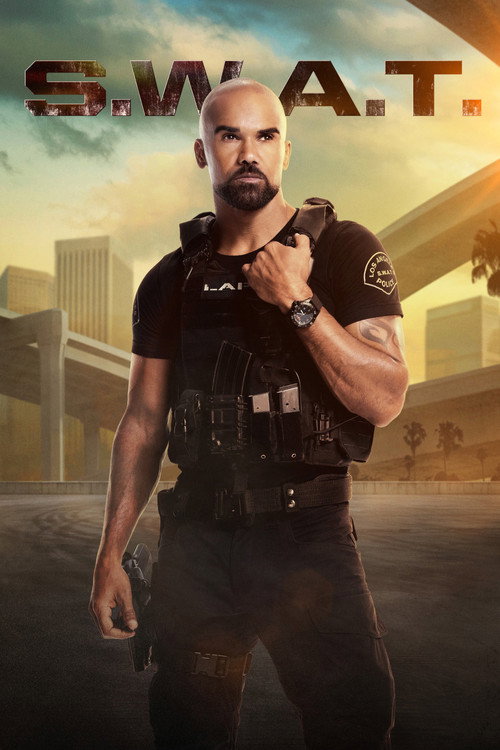
Daniel "Hondo" Harrelson

Shemar Moore

Archetype: The Reluctant Leader / The Bridge Builder Key Trait: Charismatic, uncompromising moral integrity

Motivation

Protecting Los Angeles while healing the systemic divide between law enforcement and Black communities.

Character Arc

Promoted unexpectedly after a department PR crisis, Hondo evolves from a tactical sergeant caught between community mistrust and departmental backlash into an authoritative civic leader, husband to Nichelle, father, and moral compass of the LAPD.

David "Deacon" Kay

Jay Harrington

Archetype: The Steadfast Veteran / Moral Mentor Key Trait: Loyal, deeply disciplined, tactical tactician

Motivation

Supporting his family and upholding professional honor and Christian ethical principles under extreme stress.

Character Arc

Passed over for team leader in Season 1, Deacon overcomes initial disappointment to become Hondo's most trusted second-in-command, navigating severe financial struggles, deep Catholic faith, retirement contemplation, and private security entrepreneurship across eight seasons.

All 5 characters and cast

Symbols & Motifs

"Black Betty" (The Armored BearCat / Gurkha Vehicle)

Meaning:

Symbolizes tactical security, impenetrable defense, and Twenty Squad's collective presence moving together into hostile territory.

Context:

Used as the squad's heavily armored transport vehicle when responding to high-risk tactical deployments.

The S.W.A.T. Wall Plaque / Logo

Meaning:

Serves as a sacred ritual of unit solidarity, focus, and remembrance of those who served before them.

Context:

Positioned at headquarters; officers touch or tap the emblem before rolling out on missions.

Deacon's Tactical Watches

Meaning:

Symbolize "borrowed time"—a constant reminder that a tactical officer's career is finite and every shared minute matters.

Context:

Introduced prominently in the series finale, presented by Deacon as commemorative gifts to each squad member.

South LA Boxing Gyms / Community Centers

Meaning:

Represent Hondo's roots, civic grounding, and the non-tactical fight to uplift urban youth before they enter the justice system.

Context:

Recurring neighborhood locations throughout the series where Hondo interacts with community members and mentors youth.

The "Stay Liquid" Motto

Meaning:

Emphasizes mental adaptability, fluidity, and calmness under extreme pressure.

Context:

A verbal motif spoken among squad members dictating how officers must react when tactical plans collapse.

Memorable Quotes

What are we waiting for? Gear up. Let's go save this city.
— Daniel "Hondo" Harrelson

Context

Spoken in Season 8, Episode 22 ("Return to Base") as the team receives an emergency call following the siege at SWAT headquarters.

Meaning

The final words spoken in the series; encapsulates Hondo's perpetual readiness and the eternal mission of Twenty Squad.

Recently, a wise man reminded me that SWAT officers are always running on borrowed time. I hope this will always be a reminder of every minute spent together on this team. It's the greatest gift of all.
— David "Deacon" Kay

Context

Spoken in Season 8, Episode 22 ("Return to Base") as Deacon presents commemorative watches to his squadmates before their final rollout.

Meaning

Highlights the transient nature of tactical duty and the permanence of squad brotherhood.

All 4 quotes

Episode Highlights

Pilot

S1E1

Directed by Justin Lin; sets up the inciting incident where team leader Buck Spivey accidentally shoots a Black youth during a pursuit, leading to Hondo's promotion and the redefinition of Twenty Squad's tactical mission.

Significance:

Establishes the foundational dual-identity conflict and sets the series' kinetic action style and core bridge-building philosophy.

Day Off

S2E9

A rare character-driven structural departure where the team is called in during personal downtime.

Significance:

Illustrates how tactical readiness continually encroaches upon the officers' civilian and domestic lives.

Day of Dread

S2E21

Hondo's squad is placed under administrative and public scrutiny after an operation results in civilian fallout.

Significance:

Tests internal team solidarity against internal affairs investigations and community backlash.

Stigma

S3E18

A landmark episode directly addressing officer mental health, suicide prevention, and PTSD among veteran tactical officers.

Significance:

Sheds critical light on the psychological scars of police service, breaking departmental taboos regarding mental health treatment.

317-Gone

S4E18

Tackles white supremacist extremism infiltrating law enforcement and civic structures; Hondo takes a major professional gamble by exposing systemic corruption publicly.

Significance:

Directly challenges institutional cover-ups, costing Hondo his command position and shifting the direction of Season 5.

Vagabundo

S5E1

Filmed on location in Mexico; follows an exiled Hondo working through personal disillusionment before confronting local cartels.

Significance:

Provides critical character recalibration for Hondo, renewing his sense of purpose before returning to reclaim leadership in Los Angeles.

Last Call

S7E7

Follows the emotional departure of Dominique Luca after he is wounded in the line of duty.

Significance:

Marks an emotional turning point for the original squad lineup as Luca faces forced medical retirement.

Twenty Squad

S7E13

Originally crafted as a potential series finale during CBS cancellation negotiations, featuring high-stakes citywide tactical warfare.

Significance:

Celebrates the squad's endurance and solidifies their bond amidst real-world and narrative uncertainty.

Return to Base

S8E22

The definitive series finale in which Russian mercenaries lay siege to SWAT Headquarters; the team fights off the invaders, Deacon presents the team watches, and Twenty Squad gears up for their next mission.

Significance:

Concludes the eight-season series by celebrating Twenty Squad's legacy and affirming that their duty to protect Los Angeles is eternal.

Philosophical Questions

Can an inherently coercive institution be reformed from within?

The series explores whether Hondo's presence inside the command structure transforms police tactics or merely legitimizes the status quo.

Where does individual moral conscience end and tactical chain of command begin?

Explored through recurring scenarios where officers must disobey orders or break protocol to preserve human life or prevent corruption.

What is the true cost of civic protection?

Examined through the chronic physical damage, psychological distress, and strained home lives of officers who dedicate their lives to violent tactical situations.

Alternative Interpretations

The Institutional Reformer vs. Systemic Complacency Reading: One critical interpretation views Hondo as an effective reformer who demonstrates how ethical leadership can change police culture from within. A contrasting critique argues that Hondo's character highlights the limitations of individual heroism within entrenched bureaucratic systems, pointing to storylines where Hondo is repeatedly demoted or stalled whenever he challenges upper management.

Full ending explanation

Cultural Impact

S.W.A.T. premiered in late 2017 during a pivotal era of heightened national discourse regarding police brutality, racial profiling, and community-police relations in the United States. Rather than adopting an idealized "copaganda" posture or an overly cynical view, the series positioned its Black protagonist as an active agent of institutional dialogue and structural reform.

The show found substantial global success on broadcast syndication and streaming platforms like Netflix and Paramount+, maintaining high viewership due to its blend of cinematic stunt work and topical storytelling. Its ability to mobilize grassroots viewer campaigns across 2023–2024 demonstrated the enduring power of traditional broadcast action dramas in a fragmented streaming ecosystem.

Audience Reception

Critical Reception: Season 1 debuted with mixed reviews (Metacritic 45/100, Rotten Tomatoes 48%), with critics praising Shemar Moore's commanding performance and Justin Lin's direction while critiquing procedural clichés and predictable dialogue. As the series developed in Seasons 2–5, critics commended its willingness to tackle complex social dilemmas and officer mental health.

Audience Reception: Audience scores remained consistently higher than critical scores (Rotten Tomatoes audience average ~69–75%). Viewers praised the tactical authenticity, fast-paced action choreography, and the chemistry between Moore, Harrington, Johnson, and Lim. Main criticisms from later seasons centered around cast turnover (such as the departures of Chris and Luca) and formulaic episodic structures.

Interesting Facts

  • Retired Long Beach police officer Otis "Odie" Gallop served as the show's primary technical advisor, reviewing every script for tactical accuracy, running cast bootcamps, and portraying recurring SWAT Officer Stevens on screen.
  • "Black Betty," the squad's tactical vehicle, is a genuine Gurkha / BearCat armored vehicle acquired from specialized tactical vehicle manufacturers, with two units used across the production run.
  • Renowned Fast & Furious director Justin Lin directed the pilot episode, establishing the cinematic kinetic action, multi-angle tactical sequences, and dynamic pacing that defined the series' aesthetic.
  • Unlike standard broadcast procedurals confined to studio lots, S.W.A.T. produced full on-location episodes in international destinations, including Mexico (Season 5 premiere), Tokyo (Season 3), and Thailand (Season 6).
  • S.W.A.T. made television history by being abruptly canceled by CBS in May 2023 at Season 6, reversed days later following public outcry from Shemar Moore and fans for Season 7, designated as the "final season," and then renewed again for Season 8 before finally concluding in May 2025.

Easter Eggs

1975 Original Theme Music

Robert Duncan's musical score incorporates the iconic brass melody and rhythmic bassline originally composed by Barry De Vorzon for the 1975 S.W.A.T. TV series.

Call Number 20-David

Hondo's tactical call sign ("20-David") directly pays homage to Steve Forrest's character, Lt. Dan "Hondo" Harrelson, in the 1975 original show.

Actor Crossovers from Shawn Ryan's Universe

The show regularly features actors from executive producer Shawn Ryan's past acclaimed cop dramas, most notably Kenny Johnson, Cathy Cahlin Ryan, and Benito Martinez from The Shield.

Real Tactical Weapons & Non-Lethal Prop Systems

The production utilizes specially painted green non-lethal launcher prop systems and realistic night-vision camera filters (specifically engineered by director Billy Gierhart) for authentic tactical immersion.

Frequently Asked Questions

Explore More About This Movie

Dive deeper into specific aspects of the movie with our detailed analysis pages

Comments (0)

Leave a comment

No comments yet. Be the first to share your thoughts!

Similar Movies