Skip to content
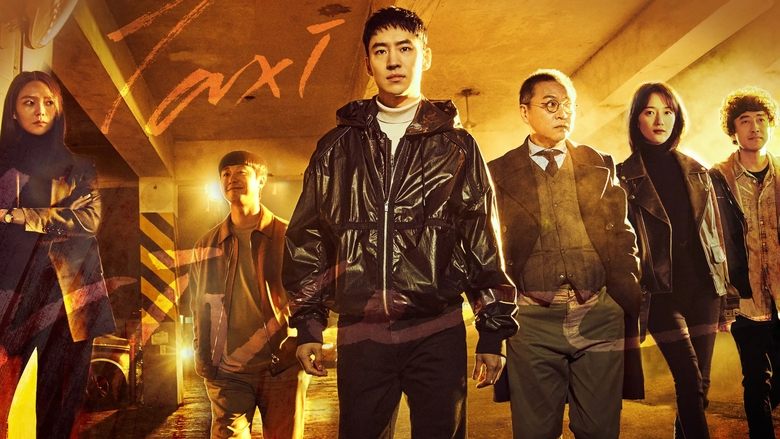
Taxi Driver
Neon tail-lights pierce the pitch-black Seoul night, painting a gritty vigilante noir canvas of cathartic rage where blood-soaked revenge bleeds into fragile human healing—a speeding Deluxe Taxi tearing through systemic injustice toward elusive peace.
Taxi Driver
Taxi Driver

모범택시

"For the wronged victims whom no one protects."

09 April 2021 — 10 January 2026 South Korea 3 season 48 episode Ended 8.2 (205)

Cast: Lee Je-hoon, Kim Eui-sung, Pyo Ye-jin, Jang Hyuk-jin, Bae Yu-ram

Drama Crime Action & Adventure Institutional Failure vs. Vigilante Justice Trauma, Grief, and Emotional Recovery Morality and the Cost of Vengeance Systemic Exploitation and Social Injustice Found Family and Solidarity

Taxi Driver — Ending Explained

⚠️ Spoiler Analysis

Season 1 Twist & Plot Arc: The overarching plot reveals that the subterranean private prison where Rainbow Transport confines criminals is operated by Baek Sung-mi (Cha Ji-yeon), a ruthless underground loan shark. Sung-mi betrays Rainbow Transport, intending to harvest and sell the prisoners' organs on the black market. Do-gi and the crew are hunted down, forcing Prosecutor Kang Ha-na to step in, recognize the crew's moral intentions, and legalise their actions behind the scenes while arresting Sung-mi.

Season 2 Twist & Plot Arc: New driver On Ha-joon (Shin Jae-ha) is revealed to be a high-ranking executive in Geumsa, an international criminal syndicate embedded in religious cults and police networks. In a devastating climax, Ha-joon discovers he was an orphan kidnapped as a child by Geumsa's leader ("The Bishop") and manipulated into unknowingly murdering his own biological father. Overcome with grief and horror, Ha-joon sacrifices himself, grabbing the Bishop and plunging off a building to destroy the syndicate.

Season 3 Twist & Series Finale: The final arc uncovers a shadow syndicate operating out of Samheung Island, run by former prosecutor "Writer Go," which manages illegal offshore betting, phishing, and military contract corruption. Do-gi confronts a corrupt military commander linked to his past. During the confrontation, Do-gi is shot twice and leaps off a cliff into a raging river alongside his attacker. While presumed dead, the final scene shows Do-gi surviving through sheer physical endurance. Reunited at the Rainbow Transport hideout, the squad receives a new call, riding out into the night to continue their eternal vigilante crusade.

Alternative Interpretations

The Moral Decay Reading: Critics point out that Rainbow Transport's actions threaten to slide into fascism. By bypassing due process, they declare themselves judge, jury, and executioner, raising the question of whether they are genuinely saving society or slowly eroding the social contract.

The Therapeutic Fantasy Interpretation: Psychologically, the series can be viewed not as a realistic crime show, but as a collective trauma recovery fantasy. The over-the-top revenge missions allow traumatized survivors—both characters and viewers—to regain a sense of agency in an uncontrollable world.

The Cycle of Endless Violence: The series ending suggests that evil is an ever-regenerating force. The fact that Rainbow Transport never truly retires implies a bleak worldview: crime will always exist, and state systems will never be fully capable of protecting the vulnerable.

Explore More About This Movie

Dive deeper into specific aspects of the movie with our detailed analysis pages

Similar Movies