Skip to content
Taxi Driver
Neon tail-lights pierce the pitch-black Seoul night, painting a gritty vigilante noir canvas of cathartic rage where blood-soaked revenge bleeds into fragile human healing—a speeding Deluxe Taxi tearing through systemic injustice toward elusive peace.
Taxi Driver

Taxi Driver

모범택시

"For the wronged victims whom no one protects."

09 April 2021 — 10 January 2026 South Korea 3 season 48 episode Ended 8.2 (205)

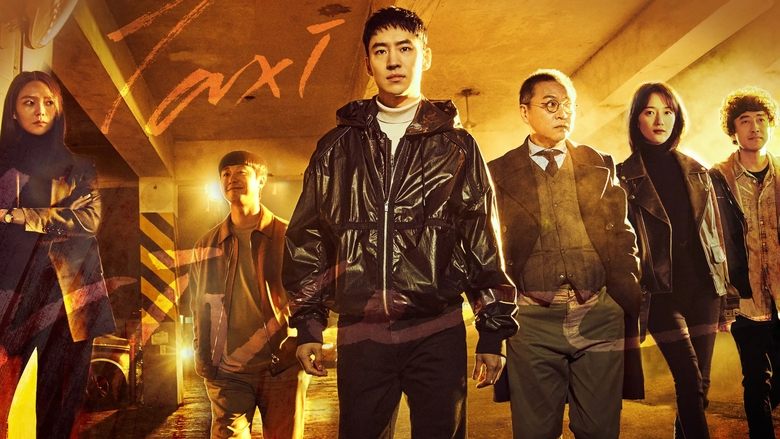
Cast: Lee Je-hoon, Kim Eui-sung, Pyo Ye-jin, Jang Hyuk-jin, Bae Yu-ram

Drama Crime Action & Adventure Institutional Failure vs. Vigilante Justice Trauma, Grief, and Emotional Recovery Morality and the Cost of Vengeance Systemic Exploitation and Social Injustice Found Family and Solidarity

Overview

Taxi Driver (Korean: 모범택시, Mobeom Taeksi) is a South Korean crime-action thriller series spanning 3 seasons and 48 episodes (2021–2026). The story centers on the Rainbow Transport (Rainbow Taxi) company—a seemingly mundane taxicab service operating out of a quiet garage. Beneath this front lies a secret vigilante squad that offers a specialized "revenge call" service to victims who have been abandoned, abused, or utterly failed by the formal legal system. Victims call the secret line, state their grievances, and ask the crew to exact vengeance on their tormentors on their behalf.

Across its three-season run, the overarching narrative follows the core team as they confront heinous criminals while navigating the profound moral, legal, and psychological ramifications of taking the law into their own hands. In Season 1, the narrative balances episodic revenge missions against a dark internal conflict involving an underground prison run by an untrustworthy criminal ally, alongside persistent pressure from a law-abiding prosecutor. Season 2 expands the scope internationally to combat large-scale criminal syndicates and religious cults, introducing a sinister mole embedded close to the team. Season 3 brings the journey full circle, tackling deep-seated military corruption, global human trafficking rings, and personal ghosts from the past, cementing Rainbow Transport as a timeless symbol of grassroots justice.

Core Meaning

The core philosophical premise of Taxi Driver is a searing critique of institutional failure and a meditation on the nature of justice. The creators argue that when legal frameworks prioritize technicalities, bureaucracy, or corruption over human suffering, society cultivates monsters while trapping victims in eternal torment. However, the series does not offer simple, uncritical praise for vigilante violence. Across all seasons, the show emphasizes that revenge alone cannot mend a broken soul; true healing requires empathy, shared trauma, and a surrogate community. Ultimately, the show asserts that while state justice is flawed, vigilante justice is a dangerous necessity birthed by societal neglect, with its ultimate purpose not being bloodshed, but restoring dignity to the forgotten.

Thematic DNA

Institutional Failure vs. Vigilante Justice 30%
Trauma, Grief, and Emotional Recovery 25%
Morality and the Cost of Vengeance 20%
Systemic Exploitation and Social Injustice 15%
Found Family and Solidarity 10%

Institutional Failure vs. Vigilante Justice

This theme drives the plot of almost every episode. The legal system is consistently depicted as slow, lenient toward perpetrators, and indifferent to victims. Over three seasons, the show explores how citizens are forced into extralegal means when formal channels fail them. The theme evolves from raw, personal vengeance in Season 1 to an organized defense mechanism against systemic societal corruption by Season 3.

Trauma, Grief, and Emotional Recovery

Every member of Rainbow Transport is a survivor of a violent crime that took away their loved ones. Their revenge operations begin as a coping mechanism for unspeakable grief. Throughout the series, the focus shifts from using violence as a bandage to finding authentic emotional closure through solidarity, demonstrating that saving others is the only way they can save themselves.

Morality and the Cost of Vengeance

The series constantly questions whether "eye for an eye" tactics degrade the moral standing of the avengers. In early episodes, characters wrestle with becoming the very monsters they fight. Over time, this theme develops into a disciplined code of conduct: punishment must fit the crime, innocent lives must be protected at all costs, and vengeance must serve as reformation or containment rather than blind malice.

Systemic Exploitation and Social Injustice

By basing cases on real-life Korean scandals, the series highlights how power dynamics allow the wealthy, corrupt politicians, cult leaders, and corporate heads to exploit vulnerable groups (the disabled, students, young workers, and soldiers). The theme expands from localized crimes to institutional networks encompassing religious cults, police corruption, and military conspiracies.

Found Family and Solidarity

Bound together by shared loss, the Rainbow Transport team functions as a tightly knit surrogate family. Their banter, mutual trust, and willingness to risk their lives for one another provide emotional warmth amidst heavy themes. This dynamic deepens across seasons, contrasting their warm unity with the cold, transactional nature of the criminal syndicates they dismantle.

Character Analysis

Kim Do-gi

Lee Je-hoon

Archetype: The Tragic Hero / Vigilante Avenger Key Trait: Lethal combat abilities paired with an uncanny talent for theatrical disguise.

Motivation

Initially driven by unresolved rage; later motivated by a duty to protect victims and ensure no one suffers his fate.

Character Arc

A former Naval Special Warfare (UDT) officer traumatized by his mother's murder, Do-gi begins as a hollow, self-destructive man living solely for revenge. Over three seasons, he evolves from a ruthless instrument of punishment into a compassionate protector who learns to value his own life and trust his found family.

Jang Sung-chul

Kim Eui-sung

Archetype: The Mentor / Patriarch & Moral Strategist Key Trait: Stoic leadership and unwavering strategic vision.

Motivation

Redress the failures of the justice system without losing his humanity.

Character Arc

CEO of Rainbow Transport and head of the Blue Bird Foundation (a non-profit supporting crime victims). Having lost his parents to a serial killer, Sung-chul walks the tightrope between public philanthropy and illegal vigilante operations. He develops from a hardened ideologue who trusts dangerous criminals into a wiser, protective leader who prioritizes his team's safety and moral integrity.

All 4 characters and cast

Symbols & Motifs

The Black Deluxe Taxi (Mobeom Taxi) & The Taxi Meter

Meaning:

The retro 1990s Hyundai Dynasty Deluxe Taxi symbolizes both a hearse for perpetrators and a vessel of salvation for victims.

Context:

The clicking meter represents the exact cost of justice—a symbolic 50,000 won fee showing that justice in their world carries a tangible cost.

The Arcade Game Machine

Meaning:

Symbolizes childhood innocence stolen by trauma and the surreal choice given to victims between despair and retaliation.

Context:

Located in a neglected retro arcade, the coin-operated machine serves as the secret gateway through which victims request revenge.

Whistling & Auditory Triggers

Meaning:

Functions as a recurring motif for unprocessed trauma and the lingering echoes of violent crimes.

Context:

High-frequency sounds and specific whistling tunes trigger main character Kim Do-gi's severe PTSD, linking back to his mother's murder.

Kim Do-gi's Disguises and Alter Egos

Meaning:

Symbolizes the masks survivors wear to navigate a hostile world, while serving as a narrative tool to subvert criminal hubris.

Context:

Used across various undercover missions where Do-gi transforms into personalities ranging from a gullible teacher to a rural farmer or a trendy nightclub broker.

The Underground Garage / Hideout

Meaning:

Symbolizes the hidden, underground nature of true justice operating beneath the surface of polite society.

Context:

Hidden beneath a standard hydraulic car lift in a quiet taxicab garage.

Memorable Quotes

대나무는 곧아서 바람에 쉽게 부러지지만, 풀은 아무리 강한 바람이 불어도 다시 일어섭니다.
— Senior Prosecutor Wang Min-ho

Context

Spoken in Season 1, Episode 5.

Meaning

Highlights the mental resilience needed to endure institutional systemic corruption without breaking.

쓰레기통에는 쓰레기만 들어가야지, 다른 건 들어가면 안 됩니다.
— Kim Do-gi

Context

Spoken in Season 1, Episode 3.

Meaning

Encapsulates Do-gi's moral clarity regarding the strict containment and punishment reserved solely for cruel oppressors.

All 5 quotes

Episode Highlights

The Salt Factory Exploitation Case

S1E1

Introduces the core setup inspired by real-life abuse of disabled workers. Demonstrates how the team rescues a traumatized victim, Maria, and enacts cathartic retribution.

Significance:

Establishes the operational mechanics of Rainbow Transport and sets the series premise.

School Bullying & Hwang In-seong Persona

S1E3

Demonstrates how the show tackles youth violence and social cruelty with clever tactical humor.

Significance:

Introduces Kim Do-gi’s iconic alter-ego transformations, starting with a nerdy substitute teacher.

U-Data Data Center & Revenge Porn Syndicate

S1E7

Focuses directly on Ahn Go-eun's personal trauma and her sister's backstory.

Significance:

Features the explosive destruction of the cloud server center, serving as one of the series' most iconic visual highlights.

The Fall of Godfather Baek Sung-mi & Re-formation

S1E15

The dramatic climax where Rainbow Transport's alliance with loan shark Baek Sung-mi shatters and the crew faces total destruction.

Significance:

Leads to Prosecutor Kang Ha-na shielding the team and setting up their temporary disbandment and eventual re-emergence.

Black Sun / Nightclub Syndicate

S2E11

Exposes police corruption, drug trafficking, and idol involvement in an underground nightclub operation.

Significance:

Serves as a direct high-profile satire of the infamous Burning Sun scandal, demonstrating the show's willingness to critique high-level real-life corruption.

The Geumsa Ring & On Ha-joon's Fate

S2E15

Concludes the team's arc against the religious crime syndicate Geumsa.

Significance:

Features major guest cameos and delivers a tragic narrative twist regarding secondary driver On Ha-joon.

Military Conspiracy & Series Finale

S3E15

Features high-stakes action involving a tactical drill officer's murder and an international syndicate.

Significance:

Brings Kim Do-gi’s military roots full circle, concluding with a dramatic cliff sequence and reaffirming the squad's endless mission.

Philosophical Questions

Is vigilante justice morally defensible when formal institutions fail to protect human rights?

Explored through the fundamental conflict between Rainbow Transport's extralegal missions and the formal legal system, questioning whether societal neglect forces citizens into extralegal protection.

Can revenge provide genuine psychological healing, or does it permanently bind victims to their trauma?

Explored through the character arcs of Kim Do-gi and team members, showing how violence initially serves as a bandage until true closure is found through solidarity and protection of others.

Where lies the line between justice and criminal retaliation when law enforcement is corrupted?

Explored through the team's strict internal code of conduct contrasted against Baek Sung-mi's criminal underground organ harvesting and corrupt police syndicates.

Does society have a duty to reform heinous perpetrators, or are certain acts so monstrous that perpetrators forfeit human rights?

Explored through the series' depiction of institutional leniency toward real-world inspired criminals and the extreme containment measures taken by the vigilante group.

Alternative Interpretations

The Moral Decay Reading: Critics point out that Rainbow Transport's actions threaten to slide into fascism. By bypassing due process, they declare themselves judge, jury, and executioner, raising the question of whether they are genuinely saving society or slowly eroding the social contract.

Full ending explanation

Cultural Impact

Taxi Driver tapped directly into deep-seated public frustration in South Korea regarding lenient judicial sentencing, political corruption, and systemic police negligence. Released during a period when high-profile real-life criminals received surprisingly short prison sentences due to claims of intoxication or mental distress, the drama served as cathartic escapism for viewers.

The show became a massive pop-culture phenomenon across Asia. Season 2 achieved a peak viewership rating of 21%, making it one of the highest-rated Korean dramas in terrestrial broadcast history. It popularized the "picaresque vigilante procedural" format in K-dramas, inspiring a wave of action series focused on antiheroes dismantling corrupt networks.

Audience Reception

Season 1: Praised for its dark noir aesthetic, gritty fight choreography, and emotional weight. Some viewers criticized the mid-season shift in tone when the lead writer was replaced, though the finale was widely lauded.

Season 2: A massive commercial blockbuster. Audience enthusiasm surged due to Lee Je-hoon's diverse comedic alter-egos and high-profile cameos. Critical feedback noted a lighter, more cartoonish tone compared to Season 1, but praised its entertainment value.

Season 3: Delivered strong, steady ratings (peaking above 14–15%) and praised for returning to darker thematic roots and character dynamics. However, the finale received mixed reactions online regarding plot conveniences and the execution of the military subplot.

Overall Verdict: Regarded as one of the most successful and iconic action-vigilante K-drama franchises of the 2020s.

Interesting Facts

  • Most cases featured in the show are based on actual infamous South Korean crimes, including the Cho Doo-soon sexual assault case, the Salt Island slave labor incident, the Yang Jin-ho workplace abuse scandal, and the Burning Sun nightclub scandal.
  • Acclaimed actress Lee Young-ae provided the voice recording for the automated instruction machine inside the Rainbow Taxi arcade cabinet without appearing on camera in Season 1.
  • Screenwriter Oh Sang-ho was replaced by Lee Ji-hyun after Episode 10 of Season 1 due to creative differences with Director Park Joon-woo over tone, but returned to write Season 2 and Season 3 after fan feedback favored his action-centric style.
  • The role of hacker Ahn Go-eun was originally shot with K-pop idol Lee Na-eun (APRIL), but after bullying allegations surfaced against her, 60% of Season 1 had to be completely reshot with actress Pyo Ye-jin taking over.
  • Lead actor Lee Je-hoon performed a significant portion of his own stunt driving, including high-speed drifts and 180-degree turns, avoiding heavy CGI usage.

Easter Eggs

Namkoong Min's Crossover Cameo (Season 2, Episode 9)

Namkoong Min reprises his iconic eccentric character Cheon Ji-hoon from the hit SBS legal drama One Dollar Lawyer, offering legal advice to Kim Do-gi in full character wardrobe.

Kim So-yeon as 'Taxi Driver #1' (Season 2 Finale)

Actress Kim So-yeon makes a cameo appearance in the Season 2 finale as the legendary original driver of Rainbow Transport, wielding a sniper rifle/shotgun to save the crew.

Moon Chae-won Cameo (Season 2 Finale)

Moon Chae-won appears as an army lieutenant, hinting at Kim Do-gi's past military ties and setting narrative threads for Season 3.

Synth-Pop Retro Soundtrack

The musical score extensively borrows 1980s synth-wave rhythms and visual cues, paying homage to classic Western vigilante shows like Knight Rider.

Inter-Drama Character Nods

In later SBS productions like Phantom Lawyer, subtle references are made back to Prosecutor Kang Ha-na's signature permed hair and legal cases.

Frequently Asked Questions

Explore More About This Movie

Dive deeper into specific aspects of the movie with our detailed analysis pages

Comments (0)

Leave a comment

No comments yet. Be the first to share your thoughts!

Similar Movies