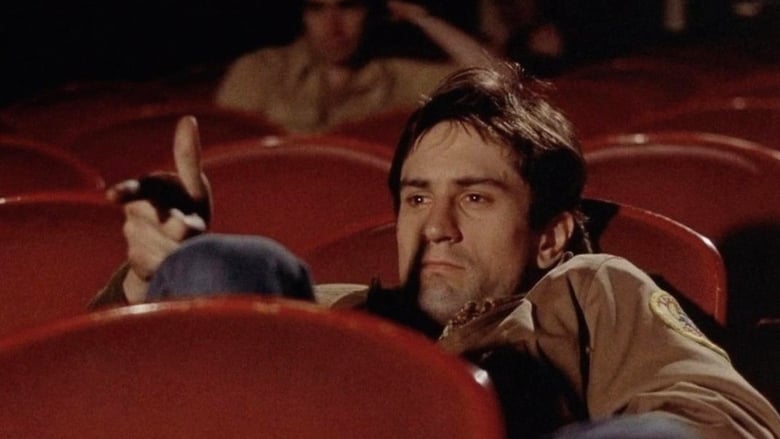
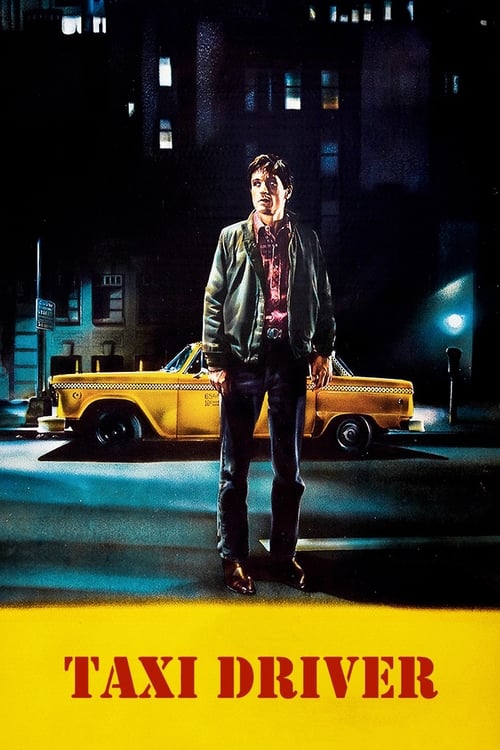
The plot of "Taxi Driver" is a slow-burn descent into madness, culminating in an explosion of violence. The key twist is not a single event, but the film's subversion of the audience's expectations of a protagonist. Travis Bickle is presented as a sympathetic, lonely man, and the viewer is drawn into his perspective through his diary narrations. However, as the film progresses, his instability becomes increasingly apparent. His rejection by Betsy is a critical turning point; his obsession with her purity curdles into a rage directed at the political system she represents, leading him to plot the assassination of Senator Palantine.
The film masterfully builds tension as Travis prepares for this act, purchasing guns and shaving his head into a mohawk. The hidden meaning here is that his mission has become a personal war, and he is adopting the persona of a warrior. When his assassination attempt is thwarted by Secret Service agents, his rage needs a new target. This is where Iris becomes central to his twisted sense of purpose. His violent rampage at the brothel is not just about saving her; it is the chaotic release of all his pent-up fury, alienation, and sexual frustration.
The ending provides the ultimate, and most debated, twist. After a gruesome shootout where he kills Sport and others, a grievously wounded Travis sits on a couch and mimics shooting himself in the head as the police arrive. The film then cuts to newspaper clippings hailing him as a hero for saving Iris. This sudden shift in narrative is jarring. If taken literally, it's a deeply cynical statement on the nature of fame and heroism, suggesting society is so broken that it celebrates a killer. If interpreted as Travis's dying dream, it's a tragic final fantasy of a man who died as lonely and misunderstood as he lived, achieving in death the acceptance he could never find in life. The final scene, where he sees Betsy again and drives off, features a quick, unsettling glance in the rearview mirror accompanied by a jarring sound cue, implying that even if he did survive, the monster within is still very much alive, and the cycle of violence is far from over.