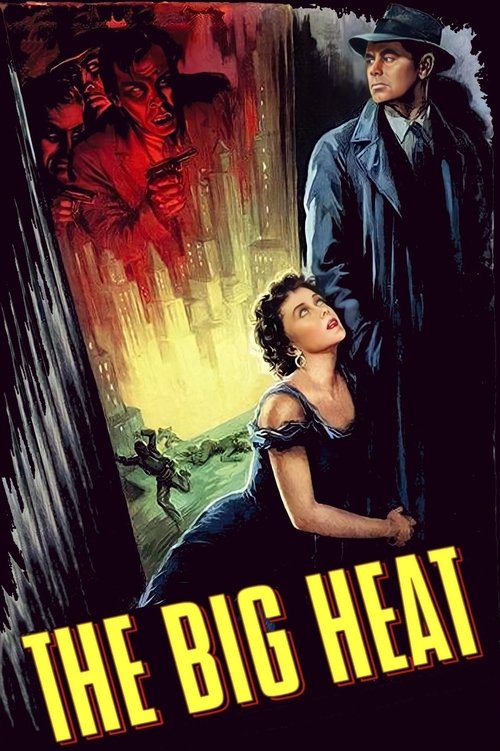
"A hard cop and a soft dame."
Director: Fritz Lang
Cast: Glenn Ford, Gloria Grahame, Lee Marvin, Jeanette Nolan, Alexander Scourby
The Big Heat — Movie Quotes
Memorable Quotes
The main thing is to have the money. I've been rich and I've been poor. Believe me, rich is better.
Context
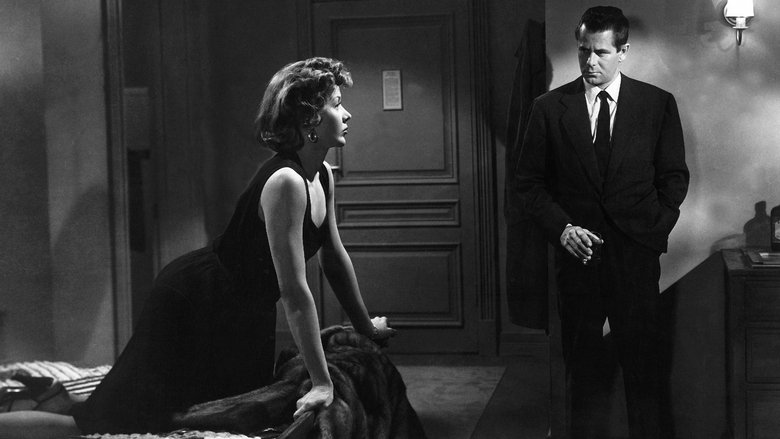
Spoken by Debby to Bannion in his hotel room, as she tries to justify her relationship with the brutal mobster Vince Stone and her lavish lifestyle.
Meaning
This quote perfectly encapsulates Debby's initial materialism and the overarching theme of systemic greed. It highlights the cynical reality of the noir world, where moral compromises are routinely made for financial comfort.
We're sisters under the mink.
Context
Spoken by Debby to Bertha Duncan right before Debby shoots her, condemning the widow's complicity in the city's corruption.
Meaning
A brilliant realization of the film's moral equivalence. Debby strips away the illusion of respectability, equating the 'respectable' widow Bertha with herself, a gangster's girlfriend, as both are bought and paid for by blood money.
I guess a scar isn't so bad, not if it's only on one side. I can always go through life sideways.
Context
Debby says this to Bannion while recovering in a hotel room from the horrific coffee burns inflicted by Vince Stone.
Meaning
This line underscores Debby's tragic resilience and dark humor. It reflects her physical disfigurement as a metaphor for her permanently damaged soul and her stark realization of the life she can no longer lead.
It was bad judgment to bother a cop's widow about the love life of her husband. / Good or bad, it was my judgment.
Context
An early argument between Bannion and his superior, Lt. Wilks, who is feeling pressure from the corrupt higher-ups to drop the investigation into Tom Duncan's suicide.
Meaning
This exchange establishes Bannion's unyielding moral compass and stubbornness, which sets him apart from the politically compromised police force willing to overlook the truth.
Explore More About This Movie
Dive deeper into specific aspects of the movie with our detailed analysis pages