
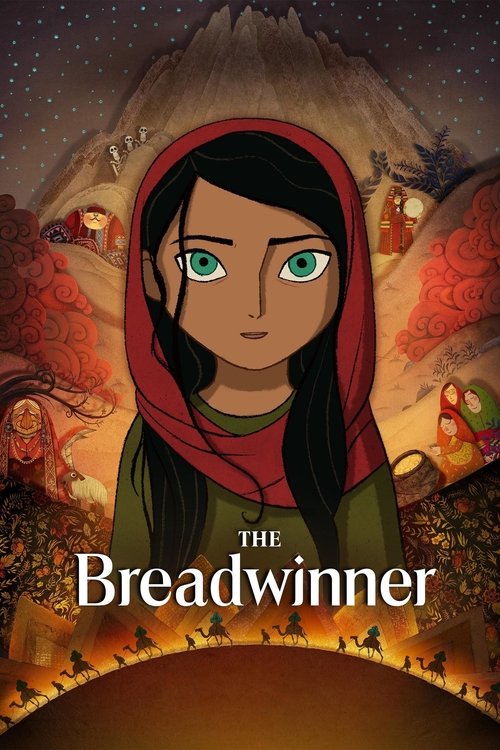
Director: Nora Twomey
Cast: Saara Chaudry, Soma Bhatia, Noorin Gulamgaus, Laara Sadiq, Ali Badshah
The Breadwinner — Movie Quotes
Memorable Quotes
Raise your words, not your voice. It is rain that makes the flowers grow, not thunder.
Context
This is the final line of the film, spoken by Parvana as she and her weakened father are in a truck, leaving the chaos of Kabul behind. It serves as a concluding thought that summarizes the lessons learned and the enduring philosophy passed down from her father.
Meaning
This quote, attributed to the poet Rumi, encapsulates the film's central message. It champions the power of gentle persuasion, intellect, and storytelling over brute force and anger. It signifies that true growth and positive change are nurtured through wisdom and thoughtful communication, not violence and oppression.
We are a land whose people are its greatest treasure. We are at the edges of empires at war with each other. We are a fractured land in the claws of the Hindu Kush mountains, scorched by the fiery eyes of the northern deserts.
Context
These are among the opening lines of the film, as Parvana helps her father in the marketplace. It is part of a story he is telling, grounding the audience immediately in the rich, troubled history of Afghanistan from the perspective of its people.
Meaning
This quote, spoken at the beginning of the film, establishes the historical and cultural context of Afghanistan. It speaks to a deep national pride in its people and heritage, while simultaneously acknowledging the country's tragic history as a crossroads for conflict and invasion. It sets a tone of resilience and love for a homeland defined by both its beauty and its scars.
When you're a boy, you can go anywhere you like.
Context
Shauzia says this to Parvana shortly after they reconnect in the marketplace, both disguised as boys. She is explaining the grim reality and the practical advantages of their shared deception.
Meaning
This simple line starkly summarizes the gender inequality that defines the characters' lives. It highlights the freedom and mobility granted to men and boys, which is completely denied to women and girls. It explains the desperate logic behind Parvana's and Shauzia's disguises, which are their only key to accessing the world.
My name is Sulayman! My mother is a writer. My father is a teacher. And my sisters always fight each other. One day, I found a toy on the street. I picked it up. It exploded. I don't remember what happened after that because it was the end.
Context
This is spoken by the hero of Parvana's fantastical story near the end of the film. As Parvana waits in terror outside the prison while war erupts, she finishes her story, finally giving the boy hero her brother's name and revealing how he died. This confession gives her the strength to stay put and wait for her father.
Meaning
This heartbreaking quote reveals the tragic backstory of Parvana's older brother. It is delivered with childlike simplicity, which makes the horror of his death by a landmine even more powerful. It is the climax of Parvana's inner story, where she finally confronts and voices the trauma of his death, allowing her to process her grief and find resolve.
Explore More About This Movie
Dive deeper into specific aspects of the movie with our detailed analysis pages