The film ends with Francesca deciding not to run away with Robert. In the iconic rain scene, she sits in her husband's truck behind Robert's, gripping the door handle, agonizingly close to running to him, but ultimately lets him drive away to protect her family. Robert leaves her his camera and journals upon his death years later. The film reveals that Francesca stayed on the farm for the rest of her life, loving her husband in her own way, but requested to be cremated and her ashes scattered at the Roseman Bridge—symbolically joining Robert in death, as she couldn't in life. Her children, upon learning this, decide to end their own unhappy marriages/situations, inspired by their mother's secret truth.
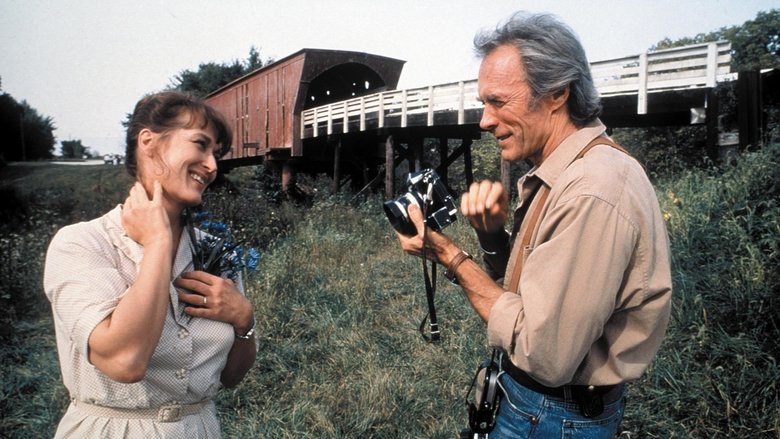
A deeply moving romantic drama exploring the conflict between profound passion and lifelong duty. Set against the golden cornfields of 1960s Iowa, it portrays a brief, life-altering affair that remains a secret heart within a conventional life.
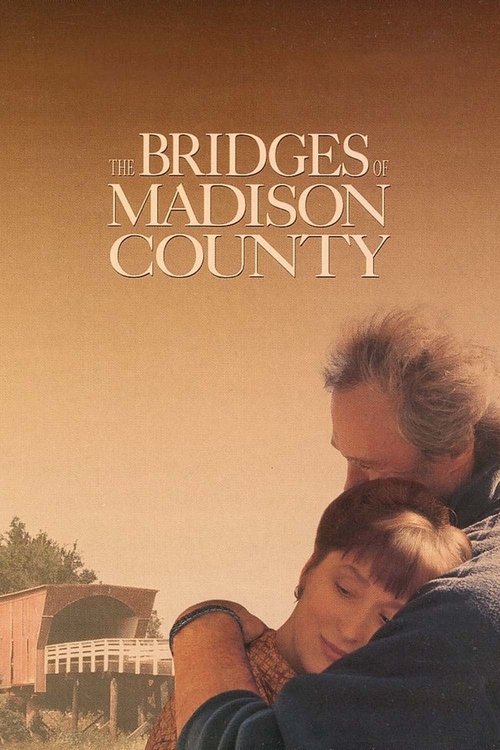
The Bridges of Madison County
"The path of Francesca Johnson's future seems destined due to an unexpected fork in the road..."
02 June 1995
United States of America
135 min
7.7
(2,313)
Director: Clint Eastwood
Cast: Meryl Streep, Clint Eastwood, Annie Corley, Victor Slezak, Jim Haynie
Drama
Romance
Duty vs. Desire
The Transience of Time
Feminine Identity and Sacrifice
Isolation and Connection
Budget:
$24,000,000
Box Office:
$182,000,000
The Bridges of Madison County — Ending Explained
⚠️ Spoiler Analysis
Alternative Interpretations
While typically viewed as a romantic tragedy, some critics interpret the film as a story of female empowerment. In this reading, Francesca's choice to stay is not an act of submission to patriarchy, but an active agency where she chooses the memory of perfect love over the messy reality of a new relationship, effectively preserving her fantasy forever. Others view it as a critique of the American Nuclear Family, exposing the quiet desperation and isolation inherent in the idealized 1950s/60s domestic life.
Explore More About This Movie
Dive deeper into specific aspects of the movie with our detailed analysis pages