Skip to content
The Chase
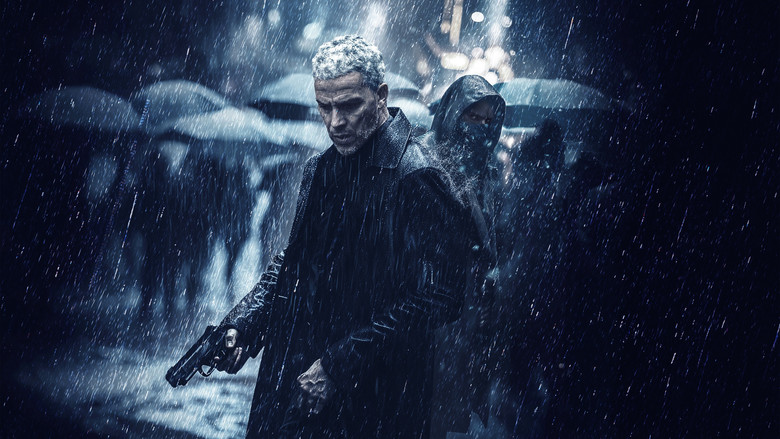
Draped in the frigid, steel-gray mist of Northern France, this psychological crime thriller pulses with relentless guilt and desperate sorrow, unfolding like a ticking clock buried beneath layers of unwashed sea salt and cold stone.
The Chase

The Chase

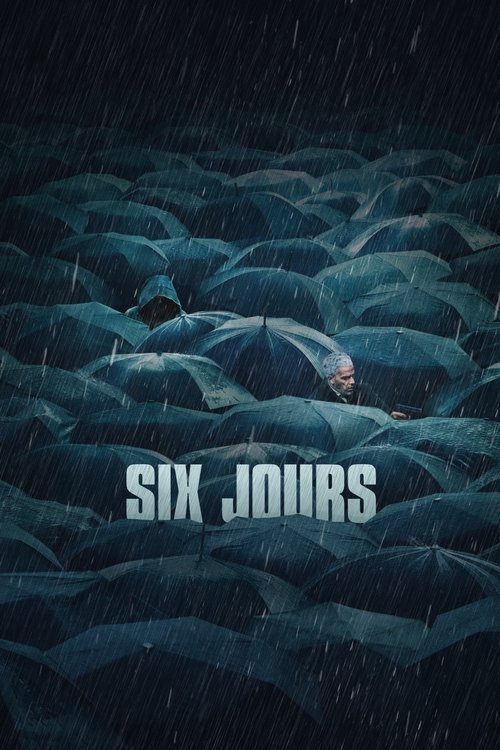
Six jours

11 December 2024 France 95 min 6.0 (112)

Director: Juan Carlos Medina

Cast: Sami Bouajila, Julie Gayet, Anne Azoulay, Yannick Choirat, Manon Azem

Action Thriller Institutional Law vs. Moral Justice Unresolved Guilt and the Quest for Redemption The Eternal Weight of Parental Grief Time, Memory, and the Anatomy of an Obsession

Overview

The Chase (Six jours), directed by Juan Carlos Medina, is a French-Belgian police procedural and psychological thriller set against the industrial and coastal backdrops of Northern France. The story centers on Inspector Malik, a dedicated detective haunted by a catastrophic failure from his past: eleven years earlier, he was in charge of a high-stakes kidnapping case involving a young girl that ended in the child's tragic death while the elusive culprit slipped away into the shadows.

A decade later, the unsolved cold case is about to be officially closed as the legal statute of limitations approaches. With only six days left before the killer is forever immune to prosecution, a shocking new abduction occurs under identical, highly specific circumstances. Reawakening long-dormant traumas for both Malik and Anna, the grieving mother of the first victim, this sudden echo of the past reopens the investigation.

Malik launches a frantic, against-the-clock pursuit across rain-slicked highways, industrial zones, and urban corridors. As cryptic clues surface and old wounds are torn open, Malik must navigate red herrings, internal police bureaucracy, and fractured timelines, struggling to discern whether the original predator has returned to claim another victim or if a deeper psychological game is underway.

Core Meaning

At its core, The Chase explores the profound tension between procedural legality and moral justice. Medina uses the premise of an impending legal statute of limitations to interrogate the fragility of institutional closure: when the legal system dictates that a crime can simply 'expire,' it disregards the eternal, unchanging nature of parental grief and investigative guilt. The film argues that unresolved trauma does not disappear with bureaucratic deadlines, and true accountability often requires breaking the very boundaries that the law establishes.

Thematic DNA

Institutional Law vs. Moral Justice 30%
Unresolved Guilt and the Quest for Redemption 25%
The Eternal Weight of Parental Grief 25%
Time, Memory, and the Anatomy of an Obsession 20%

Institutional Law vs. Moral Justice

The narrative's primary tension stems from the six-day window before the statute of limitations renders murder unpunishable. The film questions whether state-mandated timeframes can legitimately absolve human evil.

Unresolved Guilt and the Quest for Redemption

Revealed through Inspector Malik's weary demeanor and singular focus, the film illustrates how a detective's past professional failure becomes a life sentence of self-reproach, driving him to the edge of personal ruin to find atonement.

The Eternal Weight of Parental Grief

Depicted through Anna's enduring sorrow, the story demonstrates that time does not heal traumatic loss; instead, it crystallizes agony into an unrelenting obsession for answers and retribution.

Time, Memory, and the Anatomy of an Obsession

The constant countdown highlights the tyranny of passing seconds, contrasting fleeting temporal urgency with the frozen memories of an unsolved crime.

Character Analysis

Inspector Malik

Sami Bouajila

Archetype: The Haunted Detective / Fallen Hero Key Trait: Taciturn, relentless, and observant

Motivation

To redeem his past failure and provide answers before the deadline runs out.

Character Arc

Starts as a burnt-out investigator facing the final humiliation of an expired case; evolves through sheer stubborn determination into an agent of moral truth who looks beyond simple procedural law.

Anna

Julie Gayet

Archetype: The Grieving Mother / Tragic Strategist Key Trait: Emotionally wounded yet intensely calculating

Motivation

To expose her daughter's killer before the law legally grants him total immunity.

Character Arc

Begins outwardly as a devastated victim trapped in mourning, but is revealed to possess quiet resolve, actively orchestrating events to force the truth into the light.

All 3 characters and cast

Symbols & Motifs

The Six-Day Countdown

Meaning:

Represents the arbitrary, mechanical nature of bureaucratic law imposing a cut-off on human suffering.

Context:

Framed as the remaining legal window before the statute of limitations permanently closes the case.

The Rain and Industrial Winter Landscapes

Meaning:

Reflects the characters' internal desolation and the cold, unyielding nature of the truth.

Context:

Visualized across the gray, overcast skies of Lille, Roubaix, and the coastline of Northern France.

Audio Recordings and Echoed Demands

Meaning:

Acts as auditory ghosts that drag the past into the present, bridging the decade-long gap.

Context:

Present in the form of cassette tapes and distorted telephone voices delivering ransom instructions.

The White Flower / Memorial Marker

Meaning:

Symbolizes lost innocence and the lingering presence of the dead child.

Context:

Displayed in cold-case flashbacks and at crime scenes throughout the narrative.

Memorable Quotes

Il nous reste six jours avant que cette affaire ne cesse d'exister pour la justice.
— Malik

Context

Spoken as the countdown begins.

Meaning

Establishes the core thematic premise that the legal expiration of a crime does not erase its reality.

Pour vous, c'est un dossier qui se ferme. Pour moi, c'est toute ma vie qui s'est arrêtée là.
— Anna

Context

Highlighted during an exchange between Anna and the police.

Meaning

Captures the stark contrast between administrative apathy and maternal grief.

All 3 quotes

Philosophical Questions

Does the passage of time diminish moral responsibility for heinous acts?

The film investigates whether the expiration of legal liability through administrative statutes of limitations can ever truly absolve a perpetrator of moral culpability in the eyes of victims and society.

Can justice be considered complete if it satisfies institutional criteria but leaves the victims' suffering unaddressed?

Through the juxtaposition of formal legal closure and ongoing parental trauma, the narrative explores the failure of bureaucratic frameworks to deliver emotional healing or comprehensive closure.

Where is the boundary between seeking justice and becoming consumed by vengeance?

The story examines how unresolved grief pushes individuals toward extreme, calculated deception to entrap a culprit when institutional systems fail.

Alternative Interpretations

Procedural Crime vs. Allegorical Ghost Story: While framed as a detective procedural, the recurring presence of past locations and identical ransom instructions allows the film to be interpreted as a psychological ghost story where characters are literally haunted by the dead.

Full ending explanation

Cultural Impact

Historically, French cinema has maintained a celebrated tradition of gritty policiers (from Jean-Pierre Melville to Olivier Marchal). The Chase updates this lineage by combining French procedural realism with the structural complexity of contemporary Asian thrillers.

Upon release, the film was recognized as a focused, suspenseful genre entry. It stimulated discussions regarding public perception of criminal statutes of limitation—specifically how judicial timelines impact surviving families.

Audience Reception

The Chase received a generally positive response from critics and audiences, particularly regarding key creative elements:

  • Praised: Sami Bouajila's subdued, intense lead performance, the wintry and atmospheric visual tone crafted by cinematographer Renaud Chassaing, and the strong, puzzle-box dénouement.
  • Criticisms: Some viewers noted a measured, slow-burning pace across the second act that relies heavily on classic genre tropes before accelerating toward the finale.

Interesting Facts

  • The film is the official French adaptation of Jung Geun-sub's acclaimed 2013 South Korean thriller Montage.
  • Principal photography took place across Northern France during the winter of 2024, utilizing authentic locations in Lille, Roubaix, and along the windy coast of Dunkirk.
  • Cinematographer Renaud Chassaing AFC chose TLS Rehoused vintage Canon K35 lenses to imbue the digital photography with an organic, melancholic texture suited to French noir.
  • Sami Bouajila brought his extensive experience in French neo-noirs and crime dramas (including A Son and Braqueurs) to ground Malik's understated performance.
  • Produced by SND and Empreinte Digitale, the film was presented at international showcases (including IFFR) before its wide rollout in 2025.

Easter Eggs

Korean Thriller Heritage

As a direct adaptation of Montage (2013), the narrative architecture faithfully honors the intricate multi-timeline structure of modern South Korean revenge thrillers while transposing its themes into French criminal jurisprudence.

Nordic Noir Aesthetic Cues

Director Juan Carlos Medina consciously channeled the muted color palette, misty atmosphere, and bleak pacing characteristic of Scandinavian crime fiction.

The French Legal Tradition

The specific French legal concept of prescription de l'action publique (the statute of limitations on criminal prosecution) serves as the core plot engine, grounding the thriller in realistic regional police dynamics.

Frequently Asked Questions

Explore More About This Movie

Dive deeper into specific aspects of the movie with our detailed analysis pages

Comments (0)

Leave a comment

No comments yet. Be the first to share your thoughts!

Similar Movies